Montreal Urban Biodiversity Investments 2026 Revealed

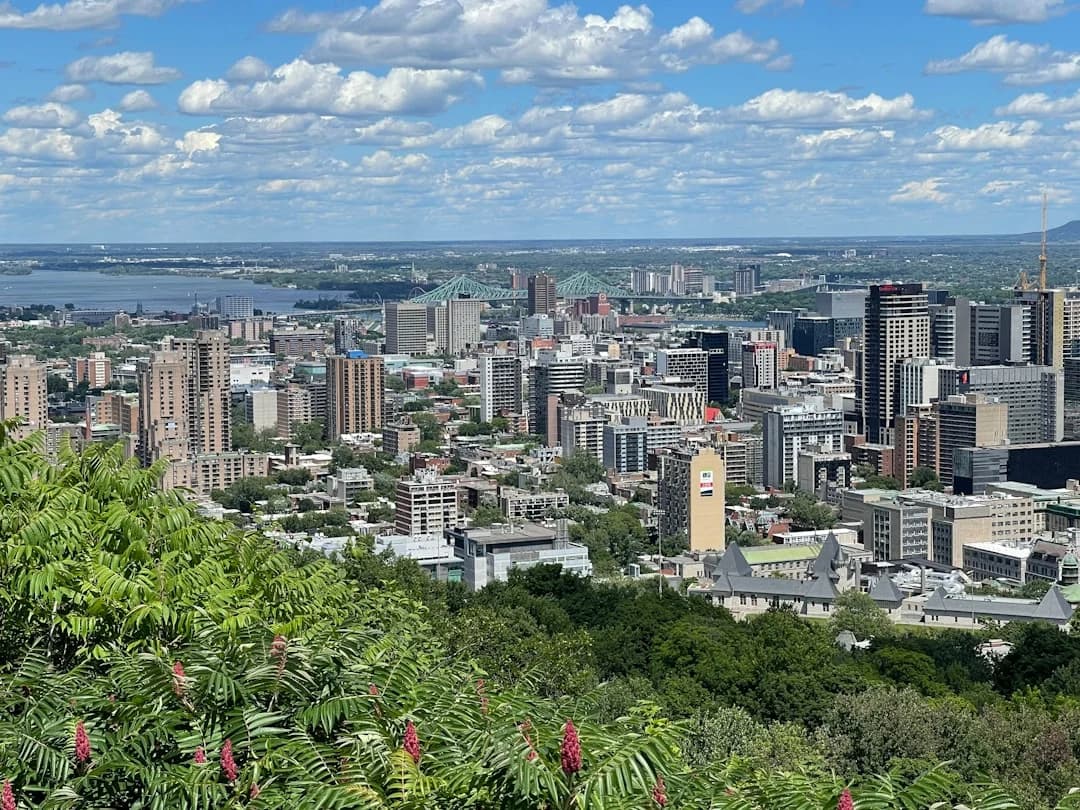
Photo by Andre Machado on Unsplash
Montreal Times presents a data-driven look at Montreal urban biodiversity investments 2026 as the city unfolds a comprehensive plan to weave nature back into the urban fabric. On January 12, 2026, the City of Montréal revealed its operating budget for 2026 and a new ten-year capital plan (PDI 2026-2035), signaling a deliberate push to scale nature-based solutions across densely built neighborhoods. The announcement places climate resilience and biodiversity at the forefront of municipal priorities, underscoring how green infrastructure, pollinator protection, and urban forestry investments will shape policy and everyday life for residents in 2026 and beyond. The budget totals 7.67 billion dollars for 2026 and a PDI worth 25.9 billion dollars, with explicit attention to eight thematic areas, including climate resilience, the East End revitalization, and mobility, all of which intersect with biodiversity outcomes. This broad framework lays the groundwork for targeted biodiversity investments that readers will see reflected in program launches, capital projects, and neighborhood-level pilots throughout the year. (montreal.ca)
In parallel with the broader budget, the city is rolling out concrete biodiversity-focused initiatives that illustrate Montreal’s commitment to nature in the city. Among the most visible are the microforests program, a participatory-budget-backed effort to plant 15 microforests across five boroughs, with a total project budget of 1.4 million dollars and explicit bonafide steps toward expanding the city’s canopy and urban biodiversity. The rollout includes sites in Outremont, Rosemont–La Petite-Patrie, and Verdun, with some projects already completed and others slated to deliver new green outcomes by 2026 and 2027. This program is part of a broader strategy to increase urban canopy, create biodiversity islands in highly urbanized zones, and provide residents with accessible encounters with nature. (montreal.ca)
Another centerpiece of Montreal urban biodiversity investments 2026 is the “Transforming intersections into urban oases” initiative, a winning project from Montréal’s participatory-budget program. With a total budget of 4.9 million dollars across two boroughs, the Rosemont–La Petite-Patrie portion includes 14 designated intersections, a 2.2 million-dollar allocation, and a planned Spring 2026 start with delivery by Fall 2026. The Saint-Léonard portion follows with planning details to be determined. The project emphasizes plant, insect, and bird diversity in otherwise hard-surfaced spaces and is explicitly designed to reduce urban heat islands while enhancing residents’ quality of life. The combined interventions reflect a deliberate strategy to embed biodiversity in everyday urban infrastructure rather than only in parks. (montreal.ca)
Montreal’s biodiversity ambitions are also anchored in a long-running pollinator-protection framework. The 2022-2027 plan, Montréal: A Biodiversity Territory to Support the Protection of Pollinators, outlines 14 actions to conserve, connect, and enrich pollinator habitats, reduce pesticide exposure, and raise public awareness. The plan emphasizes the practical linkages between pollinator-friendly landscapes and broader ecological health, stormwater management, and heat mitigation in city spaces. The document’s inception coincides with Montreal’s active role in international biodiversity leadership, including hosting COP15 in 2022 and engagement with ICLEI and the C40 Urban Nature Accelerator. In short, the pollinator plan provides both a policy anchor and a calendar of concrete measures that feed directly into the 2026 implementation cycle for urban biodiversity investments. (montreal.ca)
The investment push comes within a broader climate-adaptation and nature-based-solutions framework. The 2026 City of Montreal budget highlights a dedicated resilience-finance approach, including a new climate-resilience reserve fund and investments in green, multifunctional infrastructure. The plan envisions directing 10% to 15% of the city’s capital budget toward natural infrastructure, along with significant rehabilitation of shoreline and park networks to support biodiversity and climate adaptation. The combination of dedicated funds for green infrastructure and the explicit biodiversity targets aligns with Montreal’s 2030 goals, including expanding protected natural areas and increasing green space in the urban core. These moves collectively position Montreal urban biodiversity investments 2026 as a centerpiece of the city’s strategy to balance growth with ecological health. (montreal.ca)
Opening paragraphs recap in brief: the city’s 2026 budget signals a major emphasis on climate resilience and biodiversity investments, while specific projects—microforests, urban oases at key intersections, and a robust pollinator protection plan—translate policy into on-the-ground outcomes. The immediate impact for neighborhoods includes more trees, heat-mitigation installations, and biodiversity-friendly designs in public spaces, accompanied by a clear timeline that marks spring 2026 as a pivotal moment for several pilot projects. As the city advances, Montreal urban biodiversity investments 2026 will be increasingly visible in street-scale greenery, watershed-friendly landscaping, and habitat-enhancing infrastructure. (montreal.ca)
What Happened
Budgetary foundations and biodiversity priorities
The January 12, 2026 budget release set a balanced operating budget of 7.67 billion dollars for the year and a capital-improvement program totaling 25.9 billion dollars through 2035. The eight priority themes in the 2026 budget map directly to a municipal strategy that integrates resilience, mobility, urban design, and green infrastructure with biodiversity outcomes. In particular, the climate-resilience pillar includes new green infrastructure and risk-management mechanisms designed to shield neighborhoods from extreme weather while expanding habitat-friendly spaces. This framing signals a deliberate shift from pure infrastructure expansion to nature-forward development that can deliver biodiversity gains alongside other urban benefits. (montreal.ca)
The East Montreal revitalization fund emerges as a $25 million initiative aimed at transforming a strategically important part of the city and linking ecological improvements with economic and social vitality. The fund supports infrastructure upgrades, green space creation, and related programs designed to improve livability, environmental health, and neighborhood resilience in the east end—an area prioritized for urban biodiversity gains and community well-being. This is part of a broader 2035 horizon for green investments and the city’s climate plan, integrating biodiversity considerations into large-scale urban renewal. (montreal.ca)
Ground-level biodiversity initiatives and timelines
The microforests project frames Montreal’s biodiversity investments 2026 at the neighborhood scale. The plan envisions 15 microforests across five boroughs, with a total budget of 1.4 million dollars. The expected outcomes include a measurable increase in canopy cover, habitat diversity, and local ecological buffers against heat and pollution, while providing residents with nature-based spaces in which to connect with their environment. The project details show a staged rollout across neighborhoods like Montréal-Nord, Outremont, Pierrefonds-Roxboro, Rosemont–La Petite-Patrie, and Verdun, with several microforests already completed and others scheduled for delivery through 2026 and beyond. The program explicitly states that these microforests will add thousands of trees and shrubs, creating biodiversity islands in dense urban terrain. (montreal.ca)
In addition, the urban oases program—Transforming intersections into urban oases—complements the canopy expansion with targeted landscaping at 14 intersections in Rosemont–La Petite-Patrie and a separate project footprint in Saint-Léonard. The Rosemont component carries a budget of $2.2 million, with a Spring 2026 starting date and a Fall 2026 delivery window. The aim is to convert underutilized, heat-prone street segments into biodiverse habitats that support pollinators, birds, and urban flora while cooling microclimates and improving pedestrian experience. The Saint-Léonard portion, while not fully scheduled, follows a similar logic of integrating native species and pollinator-friendly plantings into traffic-calming and streetscape improvements. This cross-borough approach demonstrates the city’s intent to scale biodiversity gains beyond parks into everyday urban spaces. (montreal.ca)
The pollinator-protection plan further anchors Montreal’s biodiversity investments 2026 by detailing 14 actions designed to conserve habitats, connect habitat patches, and reduce pesticide exposure. The plan explicitly emphasizes the link between pollinators and city resilience, including the potential to improve stormwater management and mitigate heat islands through habitat-rich green spaces. The plan’s alignment with COP15’s global biodiversity objectives and Montreal’s own climate-and-nature strategy underscores a coherent, long-term approach to urban biodiversity that extends beyond single-year funding cycles. The action-oriented framework provides a roadmap for 2026 initiatives and sets performance expectations for the years ahead. (montreal.ca)
Policy context and international alignment
The pollinator plan’s references to Montreal hosting COP15 in December 2022, along with Montreal’s ongoing leadership in ICLEI and the C40 Urban Nature Accelerator, place the 2026 investments in a broader policy and international context. These associations highlight Montreal’s intent to position itself as a knowledge and practice hub for urban biodiversity, leveraging international networks to accelerate local outcomes. The plan outlines a strategy that complements the city’s Climate Plan and Nature and Sports Plan, including setting targets such as increasing land maintained as protected natural environments and accelerating nature-based solutions within the city’s capital program. This external alignment helps assure residents and investors that Montreal’s urban biodiversity investments 2026 are part of a robust, globally connected framework rather than isolated local experiments. (portail-m4s.s3.montreal.ca)
Why It Matters
Biodiversity gains and climate resilience in dense urban fabric
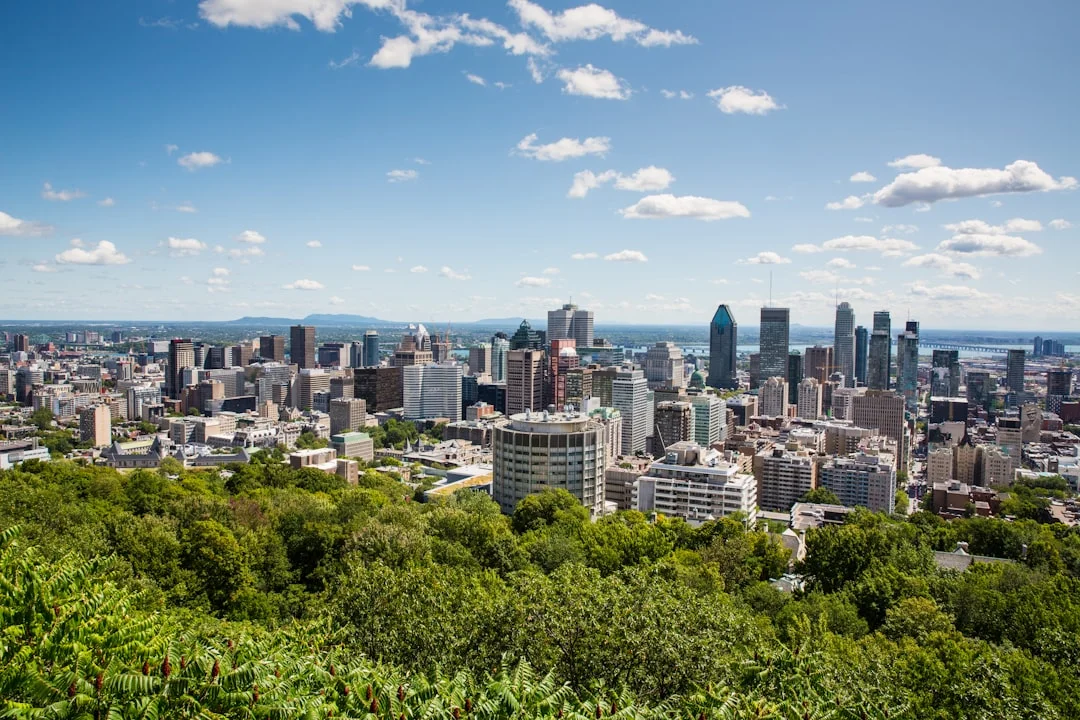
Montreal’s 2026 investments in urban biodiversity are not merely cosmetic. The city’s capital plan reserves a portion of the budget for nature-based infrastructure and river and shoreline rehabilitation, with explicit intentions to improve ecological connectivity and create habitat patches within the urban landscape. The Plan highlights that nature-based solutions will be funded through 10-15% of the capital budget, enabling significant green infrastructure projects to take shape in the coming years. In practical terms, this means more trees, more green corridors, and more pollinator-supporting plantings in streets, parks, and public spaces—investments that can reduce heat island effects, improve stormwater performance, and support urban wildlife. These are not theoretical gains; they are embedded in concrete projects—the microforests, the intersections program, and the pollinator-protection actions—whose implementation timelines are visible in 2026 and beyond. (portail-m4s.s3.montreal.ca)
The pollinator protection framework further demonstrates how biodiversity investments translate into public-health benefits. A robust pollinator network bolsters urban agriculture, supports fruit and vegetable production in community spaces, and contributes to ecosystem services that improve air and water quality. In tandem with heat mitigation and stormwater improvements, the city’s biodiversity investments support a more resilient urban environment capable of absorbing and adapting to climate shocks. The plan’s emphasis on native plantings and pesticide reductions lines up with the city’s broader environmental objectives and community gardening initiatives, underscoring a comprehensive approach to urban ecological health. (montreal.ca)
Community impacts: neighborhoods, residents, and small businesses
The eight-pronged budget focus, including climate resilience and the East Montreal revitalization fund, signals that biodiversity investments are intended to touch a broad spectrum of residents. The microforests program directly expands green space in local neighborhoods, creating inviting, restorative spaces that also serve as outdoor classrooms for schools, community groups, and families. The urban oases project brings nature into everyday streets—turning underutilized corridors into biodiversity-rich zones that feature flowering plants, habitat buffers, and shaded spaces for pedestrians. Together, these initiatives can contribute to a more pleasant urban climate, with potential spillover effects for property values, neighborhood cohesion, and tourism around green spaces in Montreal. The governance behind these investments—through participatory budgeting and citizen engagement—also reinforces public trust and helps ensure the projects reflect local priorities. (montreal.ca)
Policy coherence and regional leadership
Montreal’s biodiversity investments 2026 align with provincial and federal climate-and-ecosystem strategies, such as the East Montreal revitalization measures and national biodiversity initiatives that underscore green infrastructure as a climate-change adaptation tool. The city’s budget and program structure signal a disciplined approach to align city-building with environmental objectives, ensuring that capital investments in green infrastructure yield measurable biodiversity benefits. This alignment with broader policy frameworks can attract partnerships with universities, NGOs, and industry players seeking to test and scale urban biodiversity innovations, including pollinator-friendly landscaping, habitat connectivity, and urban forestry management. (montreal.ca)
What’s Next
Timeline and upcoming milestones
Looking ahead, several near-term milestones anchor Montreal urban biodiversity investments 2026 in a clear timeline. The microforests program is already underway across multiple boroughs, with several sites scheduled for completion in 2026 and early 2027, including expansions planned for parks in Outremont where Joyce Park work is slated for spring 2026 and delivery anticipated by later in 2026. The urban oases project specifies a Spring 2026 start in Rosemont–La Petite-Patrie with a Fall 2026 delivery window, signaling rapid progress in transforming street-level landscapes into biodiversity-friendly ecosystems. The East Montreal revitalization fund and the Jardin botanique’s new greenhouses, as part of the capital plan, are anticipated to unfold over the 2026-2035 horizon, delivering both ecological and economic benefits as green infrastructure is deployed. In the longer arc, Montreal’s Climate Plan and the Nature and Sports Plan remain reference points for ongoing actions, with a target of increasing protected natural areas and expanding green space to fulfill 2030 and 2035 objectives. (montreal.ca)
The pollinator-protection plan provides a parallel set of milestones tied to 2027 and beyond, with actions ranging from habitat creation to pesticide reductions and public education. The plan’s emphasis on data-driven actions, performance monitoring, and community engagement will be critical as the city tracks biodiversity indicators and ecological health across neighborhoods. Montreal’s leadership role in international biodiversity initiatives—such as COP15, ICLEI, and the C40 Urban Nature Accelerator—further shapes how these milestones are prioritized and evaluated, potentially accelerating cross-city learning and the adoption of best practices in green infrastructure and biodiversity governance. (portail-m4s.s3.montreal.ca)
Next steps for residents, businesses, and researchers
Residents should expect more greenery in their neighborhoods, punctuated by microforests and biodiversity-friendly street corridors that support pollinators and urban wildlife. Community groups can engage with the participatory-budget framework to influence the design and placement of next-stage microforests and oases, ensuring spaces reflect local ecological and cultural contexts. Local businesses and researchers can explore partnerships around urban biodiversity metrics, climate resilience, and green-job training tied to the city’s capital investments. The city’s public communications and media centers will likely issue regular updates on project milestones, completion dates, and performance indicators, enabling ongoing monitoring and public accountability for Montreal urban biodiversity investments 2026. (montreal.ca)
Closing
Montreal’s 2026 agenda reflects a deliberate shift toward integrating biodiversity into core urban planning and capital investments. The combined use of microforests, street-level oases, and pollinator protection measures—backed by a substantial operating budget and a comprehensive ten-year plan—signals a new phase in how Montreal shapes its public realm. As projects unfold across neighborhoods, researchers, residents, and policymakers will have an opportunity to observe how early-stage biodiversity investments translate into measurable ecological and social benefits. The city’s approach underscores a clear belief: nurturing urban nature is not a sidebar; it is a central strategy for a healthier, cooler, and more resilient Montréal. (montreal.ca)
