Montreal warming spaces Jan 2026: City Expands Shelters

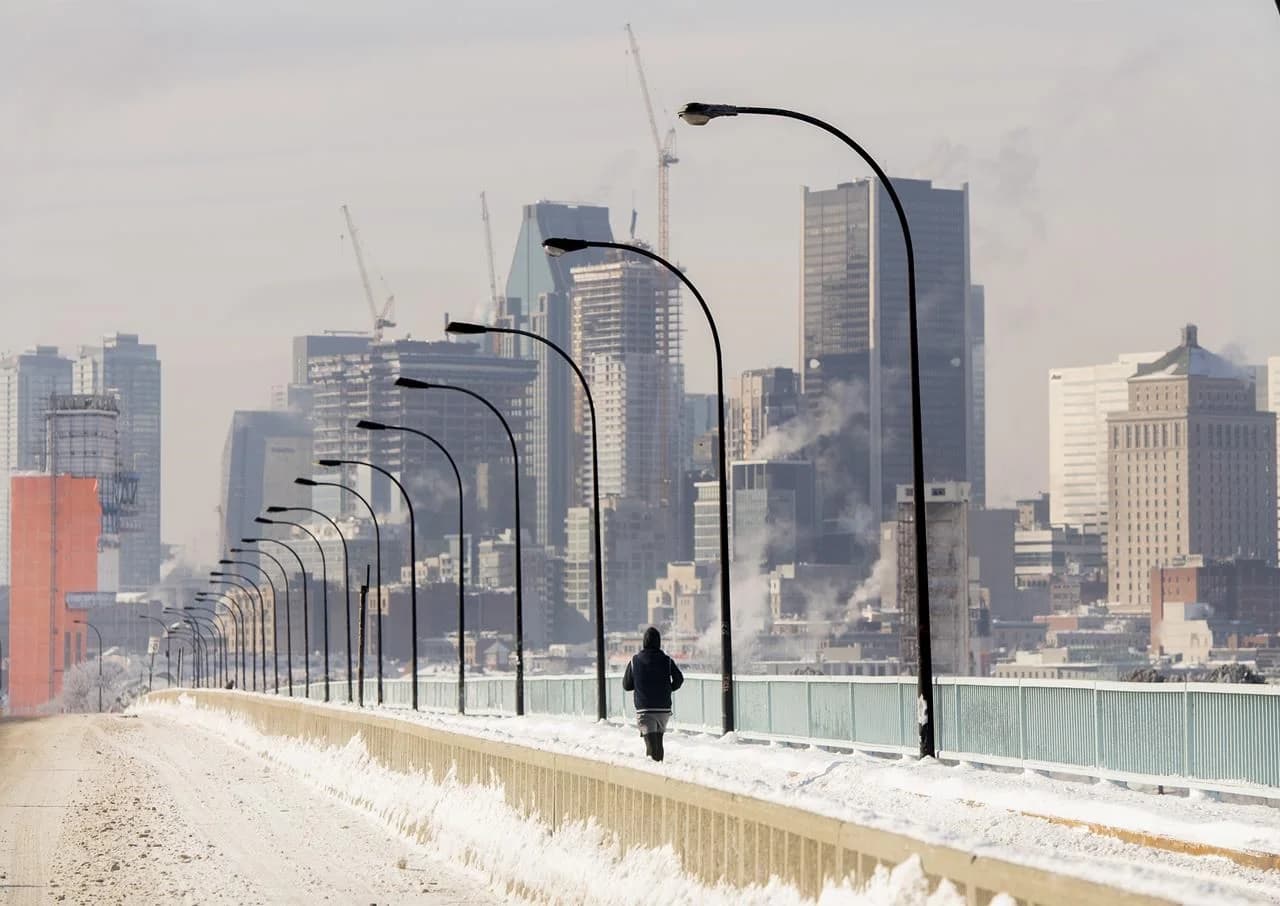
In Montreal, the winter crisis impacting hundreds of unhoused residents has accelerated a targeted response that centers on Montreal warming spaces Jan 2026. As a regionwide cold snap tightens its grip in the first days of 2026, city officials and partner organizations have activated a broad expansion of heated spaces, aiming to keep people safe, warm, and connected to services during extreme temperatures. The flagship numbers are stark: more than 500 new warming spaces have been added since December, pushing the city’s winter response toward a record level of capacity for this season. City officials stress that the immediate priority is to provide a reliable, safe haven from dangerously cold conditions, while recognizing that long-term solutions require durable housing and supportive services. “There’s a number of measures that are all happening simultaneously that, I think, are contributing to a slightly better experience of winter right now,” says Sam Watts, president and CEO of Welcome Hall Mission, reflecting a broader trend in how the city is coordinating its warming efforts during Montreal warming spaces Jan 2026. (montreal.citynews.ca)
The scale of the expansion matters not only for the number of spaces but for how the city integrates warming centers with a network of emergency shelters, mobile outreach, and social services. The City of Montreal’s warming centers program now operates in multiple boroughs, with sites staffed and scheduled across the week, evenings, and overnight hours. The intent is to provide a safe, heated space where people can rest, access hot drinks and snacks, and connect with referral resources. The official website notes that these warming centers are open daily during the cold season and will remain in operation through March 31, 2026, a period aligned with the heart of Montreal’s winter vulnerability. Registration is not required, underscoring the city’s emphasis on rapid, barrier-free access during high-demand periods. (montreal.ca)
Opening around mid-November 2025 and continuing through late March 2026, the warming centers are being run in collaboration with community organizations and local facilities. The approach reflects a move toward a more coordinated, citywide response that aligns municipal capacity with provincial health networks and frontline agencies. The warming spaces are intended not only to shield people from the elements but also to provide a pathway to health services, housing assistance, food, and social supports. In the current winter season, officials stress that the combination of warming spaces and other emergency measures is essential to reducing the strain on traditional shelters during peak cold events. As one local leader noted during early December 2025, the focus is on expanding access while maintaining safety and dignity for participants. (montreal.citynews.ca)
Section What Happened
Expansion Across Boroughs and Key Sites
Montreal warming spaces Jan 2026 are distributed across several boroughs and host organizations, with each site offering distinct hours and capacity to meet neighborhood needs. According to the Ville de Montréal’s warming centers page, the following sites have been established and are operating through March 31, 2026:
- Lucien-Saulnier Building (Ville-Marie): Operated by L’Itinéraire with a dedicated social intervention team; capacity 85 people at a time; hours 7 p.m. to 7 a.m.; opening period November 17, 2025 to March 31, 2026. (montreal.ca)
- STM Building, Marcel-Laurin (Saint-Laurent): Run by the Canadian Red Cross with a specialized intervention team; capacity 50; hours 8 p.m. to 7 a.m.; opening period November 17, 2025 to March 31, 2026. (montreal.ca)
- Ste-Bibiane Church (Rosemont–La Petite-Patrie): Run by the Centre des femmes de convictions de Montréal; capacity 20 women at a time; hours 7 p.m. to 9 a.m.; opening period December 15, 2025 to March 31, 2026. (montreal.ca)
- Couvent Ste-Émélie (Mercier–Hochelaga-Maisonneuve): Operated by CAP St-Barnabé; capacity 60; first weeks 4 p.m. to 8 a.m., then 24/7; opening period December 19, 2025 to March 31, 2026. (montreal.ca)
- Hôtel-Dieu (Plateau-Mont-Royal): City-run site; capacity 50; hours 7 p.m. to 8 a.m.; opening period not listed as end date in the initial report beyond ongoing operation; opening period details are published by the city. (montreal.ca)
- YMCA Centre-Ville (Ville-Marie): City-run site; capacity 135; hours 7 p.m. to 8 a.m.; opening period through January 18, 2026 (the site provided a temporary period within the broader program). (montreal.ca)
The City of Montreal’s page notes that there are more sites beyond those listed in the initial view, with the entire network designed to be accessible citywide and coordinated with the broader crisis response. The expansion is part of a broader winter plan that includes shuttles to resources, social support services, and ongoing outreach to people experiencing homelessness. This multi-site strategy is intended to reduce bottlenecks at some of the city’s busiest emergency shelters while ensuring that vulnerable residents have safe nighttime options. (montreal.ca)
Operational Details: Access, Hours, and Capacity
The warming centers are designed to minimize barriers to access in a city known for its harsh winter conditions. Registration is not required to use the centers, and the spaces provide essentials such as snacks, hot drinks, and referrals to other resources. Center hours vary by site but generally fall within evening to early morning windows to align with the coldest parts of the night. For example, the Lucien-Saulnier site operates from 7 p.m. to 7 a.m., while the YMCA Centre-Ville site runs from 7 p.m. to 8 a.m. The capacities at these facilities range from 20 to 135 people at a time, reflecting the diversity of site sizes and the needs of their respective neighborhoods. The city emphasizes daily operations and the use of security and mediation teams to maintain safety and facilitate access to services. (montreal.ca)
In addition to the physical spaces, the warming centers are part of a broader municipal response that includes a weekly crisis unit designed to coordinate actions across city departments, provincial authorities, and community partners. This coordinated approach aims to optimize resource allocation, align funding, and respond to changing conditions on the ground as Montreal faces fluctuating temperatures and evolving demand. The crisis unit will meet weekly to adjust plans and ensure that warming spaces and related services respond to real-time needs. (montreal.citynews.ca)
Why It Matters
Immediate Relief for Vulnerable Residents
The scale of the Montreal warming spaces Jan 2026 expansion matters because it translates into tangible relief for people experiencing homelessness during extreme cold. The CityNews report from January 3, 2026 notes that since December, Montreal has added 500 new warming shelter spaces across the city, a move that has begun to ease pressure on frontline organizations. The expansion is described as being well subscribed and actively used, with occupancy patterns showing variation by neighborhood. While city officials and NGO leaders acknowledge that warming spaces alone cannot solve long-term housing challenges, the immediate impact is clear: more people can access shelter, warmth, and referrals to services during the coldest weeks of winter. This aligns with a broader understanding that emergency capacity is a necessary but temporary fix in the absence of rapid housing solutions. (montreal.citynews.ca)
Context: The Imperative for Coordinated Action
Montreal’s winter response comes against a backdrop of a persistent homelessness challenge. The CityNews reporting highlights concerns about the long-term sustainability of emergency beds, noting that before the pandemic there were approximately 900 emergency beds, and now the city may be approaching 3,000 spaces across shelters and warming centers. Advocates emphasize that while the current expansion helps in the near term, it underscores the underlying issues of housing affordability and access. The crisis unit, announced in December 2025, is framed as a mechanism to coordinate across agencies, with the aim of delivering more predictable support and avoiding ad hoc responses. The emphasis on a cross-sector approach is a data-driven attempt to manage demand and improve outcomes for people in need. (montreal.citynews.ca)
Broader Context: Public Safety, Health, and Community Cohesion
Warming centers are not just about staying warm; they are part of a public health and safety strategy during severe winter weather. Local police and community organizations work together to ensure safety on-site and to provide a pathway to more stable housing resources, social supports, and medical care when needed. The City of Montreal’s page explicitly notes that partnerships with community organizations are central to the program, with mobile mediation and social intervention teams on hand to address tensions, safety concerns, and access to resources. This on-the-ground coordination aligns with a growing trend in major northern cities to formalize winter response plans that blend shelter capacity with social support services, harm reduction, and health care access. (montreal.ca)
What’s Next
Seasonal Window and Potential Adjustments
The warming centers will operate through March 31, 2026, marking a defined seasonal window designed to cover the coldest period of the winter season. The City of Montreal emphasizes that the program is part of an ongoing winter plan for the homeless and that the crisis unit will monitor demand and adjust capacity as needed. The end date signals a planned transition point as temperatures moderate and the city decides whether to maintain, extend, or modify the warming spaces in coordination with partners. In late December 2025, Mayor Soraya Martínez Ferrada signaled that the city would continue investing in warming shelter space and that the broader homelessness budget would be adjusted to support ongoing services. The plan aims to balance immediate relief with long-term objectives, including housing-focused solutions and enhanced outreach. (montreal.ca)
What to Watch For: Metrics, Access, and Community Feedback
As the winter progresses, several indicators will shape the next phase of Montreal warming spaces Jan 2026. First, occupancy patterns by site will reveal which neighborhoods experience higher demand and whether additional temporary measures are needed in East End areas where occupancy has been reported to be higher. Second, the crisis unit’s weekly meetings will reveal how funds are allocated and whether new sites are added or existing sites extended to meet demand. Third, partnerships with NGOs and health networks will influence the referral pathways from warming centers to longer-term services such as emergency shelter beds, day centers, or housing programs. Fourth, safety and security metrics will monitor incidents, crowding, and conflicts, informing adjustments to staffing, on-site mediation, and community engagement strategies. All of these dimensions are part of a data-driven plan to optimize Montreal’s winter response while minimizing disruption to residents in surrounding neighborhoods. (montreal.citynews.ca)
Ongoing Access to Services and Coordination
Beyond the heated spaces themselves, the warming centers function as access points to broader services. Help lines like 211 and 311 are highlighted as channels to connect individuals with social services, housing resources, and municipal supports. The on-site teams are designed to coordinate with health services through the CIUSSS network, ensuring that the temporary warmth does not come at the expense of long-term care and social support access. This integrated approach echoes a broader public policy emphasis on combining immediate relief with pathways to stable housing and social inclusion, an alignment supported by the crisis unit’s mandate to coordinate across levels of government and nonprofit organizations. (montreal.ca)
Long-Term Implications: Lessons for City Planning and Market Trends
While warming spaces address an urgent need, they also offer a lens into how cities plan for housing affordability and winter resilience. The scale of expansion—500 additional spaces since December 2025, with a total that could approach 3,000 by the end of December—suggests a structural shift toward more robust, city-supported cold-weather infrastructure. This is likely to influence both NGO capacity planning and municipal budgeting for winter operations in the coming years. Observers will watch how this season informs future allocations, whether there will be a formalized, year-round winter resilience plan, and how private partners (such as corporate sponsors or philanthropy) contribute to sustaining or expanding warming spaces beyond the current season. The City’s crisis unit is a central feature of this evolution, potentially serving as a model for other Canadian cities facing similar seasonal pressures. (montreal.citynews.ca)
What’s Next: Timeline, Next Steps, and What to Watch For
Timeline Snapshot
- November 17, 2025: Early-winter warming centers begin operations at multiple sites (Lucien-Saulnier, Marcel-Laurin, Ste-Bibiane, Couvent Ste-Émélie, Hôtel-Dieu, YMCA Centre-Ville, among others). These sites are part of a staged rollout designed to build capacity as the cold season intensifies. (montreal.ca)
- December 2025: The city announces further expansion as part of a broader “500 additional spaces” commitment, signaling a rapid ramp-up in capacity to meet rising demand. Public statements emphasize coordination and the role of a crisis unit in guiding the expansion. (montreal.citynews.ca)
- January 3, 2026: Reports indicate that more than 500 new warming spaces have been added citywide since December, with ongoing operations through January and into February as cold conditions persist. The emphasis remains on accessibility, safety, and linkage to services. (montreal.citynews.ca)
- January 18, 2026: YMCA Centre-Ville site is scheduled to close its temporary operation window in mid-January, reflecting site-specific terms while other centers remain active through March 31, 2026. This illustrates the staggered, site-by-site nature of the network. (montreal.ca)
- March 31, 2026: End of the current warming centers season, with a review of outcomes and planning for the next winter cycle. The city indicates that the crisis unit will assess what changes, if any, are needed for the next season based on demand, safety, and housing options. (montreal.ca)
Next Steps for Readers and Stakeholders
- For residents and service users: Access to warming spaces is open without registration, but the surrounding services—such as health referrals and housing assistance—may require outreach and follow-up from NGO partners or municipal services. If you or someone you know needs urgent help during extreme cold, contact 211 or local authorities, and use on-site staff to access support networks. (montreal.ca)
- For community organizations and volunteers: The crisis unit will continue to coordinate across city departments and partner organizations. Participation and collaboration opportunities are likely to be announced through official channels and local NGO networks, with a focus on efficient resource allocation and community safety. (montreal.citynews.ca)
- For policymakers and researchers: The winter response in Montreal offers a case study in rapid scaling of emergency shelter capacity, cross-sector coordination, and the interplay between immediate relief and structural housing strategies. Analysts may track occupancy, outcomes, and cost implications as part of a broader evaluation of Canada’s urban cold-weather resilience programs. (montreal.citynews.ca)
Closing
As Montreal continues to navigate a harsh winter, the Montreal warming spaces Jan 2026 initiative stands as a cornerstone of the city’s emergency response. While the immediate goal is to shield residents from life-threatening cold and to connect them with essential services, the long-term implications extend to how urban centers plan, fund, and operate in the face of persistent housing challenges. The warming centers, with their varied sites, hours, and capacities, demonstrate a data-informed approach to crisis response—one that seeks to balance rapid relief with coordinated care, safety, and dignity for all. Readers can stay updated through the City of Montreal’s official warming centers page and through local outlets that track the crisis unit’s weekly briefings and site announcements. (montreal.ca)
References and Sources
- Warming centres: Places where unhoused people can relax, Ville de Montréal. December 18, 2025 update and site-specific details, including opening periods, hours, and capacities. (montreal.ca)
- Over 500 new warming spaces ease pressure amid cold snap in Montreal, CityNews Montreal. January 3, 2026. Discussion of the 500+ additional spaces and the broader crisis response. (montreal.citynews.ca)
- Montreal extreme cold: Mayor Martinez Ferrada wants to add 200 warming shelter spaces, CityNews Montreal. December 8, 2025. Context on rapid expansion and near-term targets for warming spaces. (montreal.citynews.ca)
- Montreal’s winter plan for the homeless: crisis unit, warming shelters, CityNews Montreal. December 1, 2025. Outline of the crisis unit and funding for 500 additional warming spaces. (montreal.citynews.ca)