Montreal's Rental Market Shift: From Post-COVID Boom to Tenant's Advantage

The Post-Pandemic Boom: A Tidal Wave of Demand
In the wake of COVID-19, Montreal became one of Canada’s most attractive cities. Workers, students, and families poured in, drawn by a relatively affordable cost of living compared to other major metropolitan areas. This surge in domestic and international talent pushed rental demand to unprecedented levels. Rents soared, and apartments that once lingered on the market were being snapped up within hours.
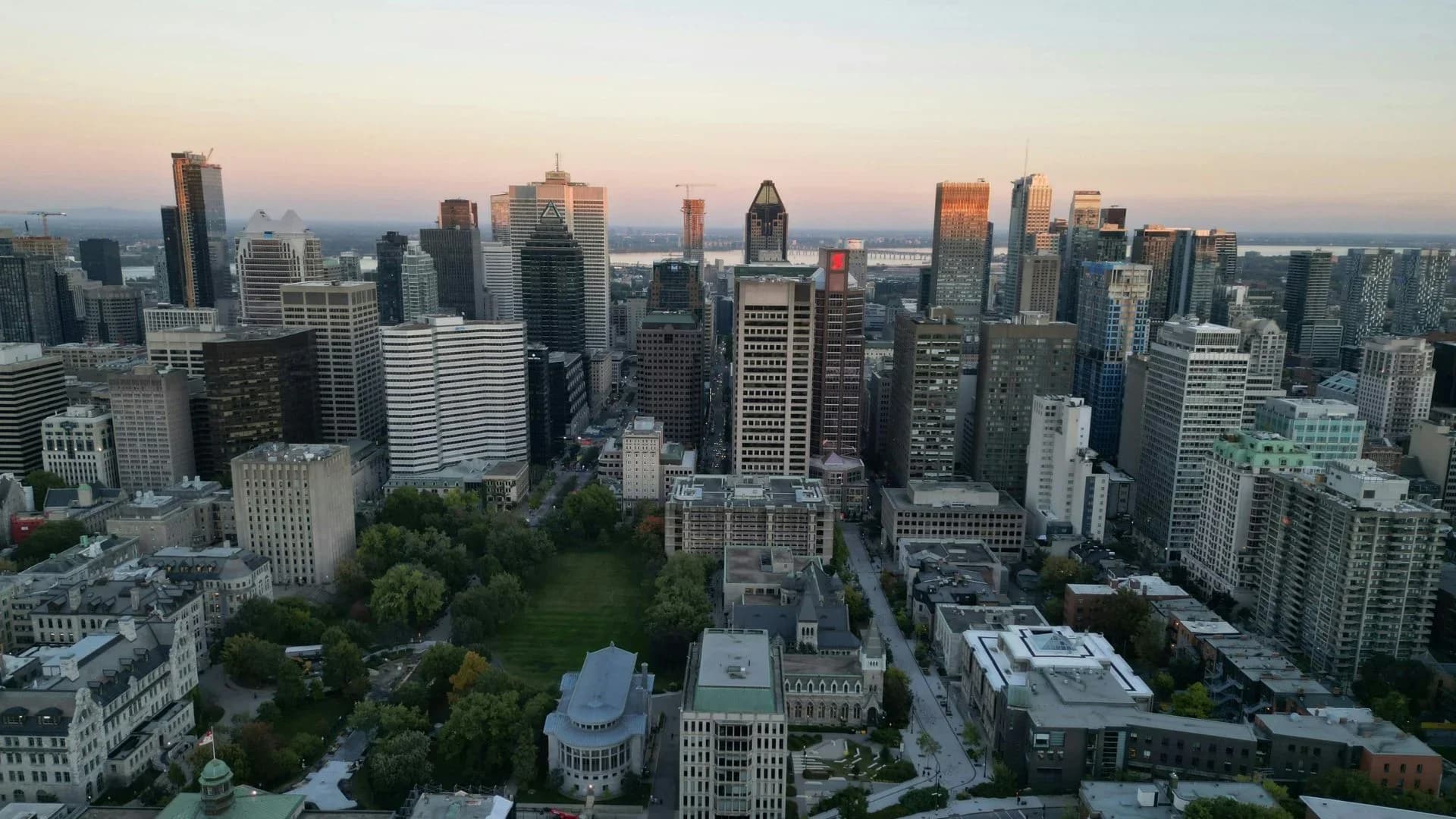
Developers responded quickly. Purpose-built rental towers rose across the skyline, while renovation projects accelerated in established neighbourhoods. The result was a sharp increase in housing supply — but also rapidly rising rents.
According to Canada Mortgage and Housing Corporation (CMHC) data, the average rent for a two-bedroom apartment in Montreal increased by roughly 7.2% between 2024 and 2025, while vacancy rates inched upward as new supply began to catch up with demand.
A Market in Transition: Easing Demand and New Realities
Today, the picture looks different. Several forces have taken pressure off the market. Slower population growth, along with federal and provincial policy changes, have reduced the pace of immigration — especially among temporary residents and international students.
At the same time, the construction wave triggered by the boom years is now delivering large amounts of new inventory. Many of the high-end projects built to capture peak demand are now complete, leaving more available units than during the height of the frenzy. CMHC reports that landlords are increasingly offering incentives such as one or two months of free rent to attract tenants in a more competitive environment.
Not All Neighbourhoods Are Equal
Despite the overall cooling, Montreal’s rental market is not moving in lockstep. Demand remains strong in certain areas — particularly those close to universities, major transit lines, and employment hubs. Downtown, Griffintown, the Plateau, and well-connected parts of the South Shore continue to attract steady interest.
Smaller, well-located units in these neighbourhoods still rent quickly, while larger buildings in less central areas may struggle to fill vacancies. This has created a two-speed market: some landlords are cutting prices or offering aggressive incentives, while others in high-demand pockets can maintain firm rents with few concessions.
For renters, this means more choice — but also that location and timing still matter.
What This Means for Renters and Landlords
For renters, the shift is a welcome change. Instead of bidding wars and rushed decisions, tenants now enjoy more options and negotiating power. Discounts, flexible lease terms, and rent-free periods are increasingly common as landlords compete for tenants.
For landlords and property managers, the message is clear: traditional “list and wait” marketing no longer works in a market with abundant supply. Speed, visibility, and frictionless communication are now critical to filling units quickly.
Rentack.com: Navigating Montreal’s New Rental Reality
This is where platforms like Rentack.com become especially useful. In a more competitive and choice-rich market, renters want a fast, simple way to discover listings and connect directly with agents. Rentack allows users not only to browse available apartments, but also to book visits instantly with the agent, reducing delays and missed opportunities.
Looking Ahead: A More Balanced, But Still Tight Market
Montreal’s rental market remains in flux. Rents are still high by historical standards, and vacancy rates, while rising, are not yet indicative of a weak market. What has changed is who holds the advantage: the balance of power has shifted back toward renters.
Whether you’re new to Montreal, relocating within the city, or simply planning your next move, understanding these trends can help you make better decisions — and tools like Rentack’s Montreal rental search can make the process far smoother.