Nids-de-poule Montréal 2025 record des réclamations

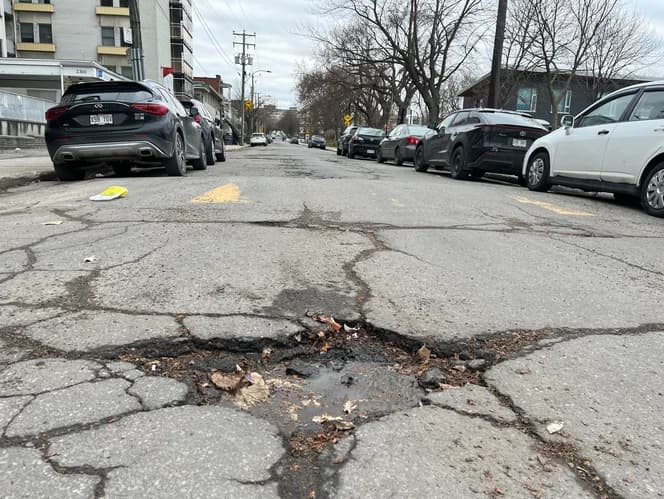
Montréal’s pothole season has once again become a data story in 2025, drawing national attention to the city’s road maintenance challenges. The term Nids-de-poule Montréal 2025 record des réclamations has appeared in multiple outlets as residents and drivers report more damaged vehicles, unexpected jarring, and longer wait times for repairs. City officials acknowledge that fluctuating temperatures and the spring thaw push pothole formation, while residents push for faster, more visible fixes. In the days and weeks ahead, Montréal Times will continue to track official data, ticketing efficacy, and the policy response as the city navigates a winter-to-spring transition that can intensify road defects. The numbers matter not only for drivers and insurers but for municipal budgeting, technology adoption, and public trust in infrastructure maintenance. Data-driven coverage like this helps readers understand not just “how many holes” exist, but “why they exist, what’s being done about them, and what the next steps will be.” (montreal.citynews.ca)
The year 2025 has tested Montréal’s road network in ways that blend weather, funding, and public expectations. By mid-September, city communications and media reports highlighted a growing tally of complaints tied to vehicle damage from bad roads. One widely cited figure reported 1,113 complaints filed by motorists in 2025, a number that nearly matched the 2022 record of 1,116 complaints for a single calendar year. The context is important: these numbers reflect claims filed with the city rather than an exhaustive annual audit of road conditions, and observers stress that complaints are influenced by weather cycles, reporting efficiency, and the timing of inspections. Still, the trajectory signals a sustained concern about pavement quality and the city’s ability to respond swiftly. (montreal.citynews.ca)
The latest months have added nuance to the narrative. In November 2025 through early January 2026, reporting patterns showed a sharp uptick in complaints — 1,591 pothole-related claims were filed in that period alone, according to outlets tracking city responses and claims data. The surge is widely tied to ongoing freeze-thaw cycles and a winter-to-spring transition that tends to reveal, crack, and destabilize road surfaces after winter snow and ice. These near-term numbers underscore a broader pattern: when temperatures swing dramatically, each additional freeze-thaw cycle tends to create more pot holes or worsen existing ones, prompting drivers to file claims and cities to patch more aggressively. While this is a near-term snapshot, it’s a valuable signal for planners weighing maintenance budgets against climate risk. (ca.news.yahoo.com)
Even as these numbers trend upward, other outlets have reported even larger totals for 2025, illustrating how different counting methods or data sources can yield divergent results. A May 2025 analysis, for example, described pothole-related complaints as “thousands” and framed the issue as an ongoing political and policy debate rather than a static tally. In late 2025 articles, Le Monde highlighted the scale of public dissatisfaction and noted 4,000-plus complaints in 2025, a figure that reflects broader coverage of springtime road damage and political discourse around municipal maintenance funding. The discrepancy across sources underscores a common challenge in urban infrastructure reporting: how to define, count, and compare pothole-related issues across time, jurisdictions, and data systems. Readers should treat these numbers as directionally informative rather than a single, definitive annual total, and consider the methodologies behind each figure. (lemonde.fr)
This story intersects with technology, governance, and market trends in several important ways. Montréal’s city government has actively encouraged residents to report potholes via digital channels, in addition to traditional 311 service lines. The City of Montréal maintains a dedicated online reporting path for potholes and a bilingual guidance page that explains how potholes form, how repairs are scheduled, and when to escalate for urgent danger. The online reporting tools are designed to streamline intake, route issues to borough crews, and provide case-tracking numbers to citizens. For residents who encounter potentially dangerous road conditions, the city explicitly directs them to call 311, which remains the fastest path to urgent response. These digital and service-oriented approaches illustrate how municipal governments are aligning infrastructure maintenance with modern citizen engagement, data collection, and service-delivery expectations. (montreal.ca)
Opening: The most newsworthy development is the persistent, widely felt pain point of potholes across Montréal’s streets, with 2025 becoming a banner year for complaint activity and public frustration. The data points — including 1,113 claims by September 17, 2025, and 1,591 claims between November 2025 and January 2026 — offer a numerical backbone to a broader story about aging infrastructure, climate pressures, and municipal response capacity. The public conversation around potholes connects to longer-term questions about funding, asset management, and urban resilience, including how cities deploy technology to speed repairs, track outcomes, and communicate with residents about progress. The story matters not only to drivers and cyclists but to insurers, small businesses, and residents who rely on dependable streets for daily life and commerce. (montreal.citynews.ca)
What Happened
Timeline of events and the mechanics of reporting
Early 2025: Weather-driven deterioration and rising complaints
Montréal’s winter-to-spring transition often reveals a spike in potholes as asphalt contracts and expands with temperature swings. City officials and engineers note that freeze-thaw cycles are a primary driver of pothole formation, a phenomenon amplified by climate variability. In 2025, these dynamics contributed to more road damage being reported by residents, with many motorists noting vehicle damage and safety concerns in their daily commutes. The city’s communications described potholes as a predictable hazard when temperatures swing, but the public response highlighted a demand for faster remediation and more transparent data on progress. The reporting approach combines online submissions with 311 calls to triage issues to the appropriate borough crew. (montreal.citynews.ca)
September 2025: Official counts surface and public dialogue intensifies
As summer winds down, médias began to report city-wide counts of pothole-related claims. A CityNews Montreal interview with a city spokesperson cited 1,113 claims for vehicle damage linked to road conditions in 2025 up to that point, emphasizing that the number was close to the 2022 record of 1,116. A parallel narrative noted the role of temperature fluctuations as a recurring catalyst for pothole creation, with authorities stressing that repair cycles run through the year as weather permits. This period marked a clear moment when journalists began focusing not only on the number of potholes repaired but on the rate at which new potholes emerged as weather patterns shifted. (montreal.citynews.ca)
Fall 2025: Media consolidation of the rising trend and the policy conversation
By September 2025, multiple outlets reported a politicized dimension to pothole maintenance, including debates on funding, prioritization, and the pace of repairs. The Journal de Montréal corroborated the 1,113-claim figure for 2025 as of mid-September, aligning with the CityNews report while acknowledging that the total could climb as the year progressed. International outlets also began covering the Montreal pothole story within the broader frame of urban infrastructure challenges, climate adaptation, and municipal governance. While the numbers varied by source, the consistent thread was clear: residents were increasingly guided by digital reporting tools and expected more timely fixes as the season advanced. (journaldemontreal.com)
November 2025–January 2026: Short-term surge in complaints and specific damage cases
A late-2025 to early-2026 spike in pothole complaints, reaching about 1,591 filings in roughly two months (Nov 1–Jan 5), provided a near-term counterpoint to the longer annual tallies. The jump coincided with the deepest part of winter’s transition into spring repair cycles, suggesting either a backlog effect or a “new normal” of increased reporting driven by more accessible digital channels and heightened public awareness. These numbers also align with ongoing reporting about the city’s patching program, which deploys machinery in the colder months but relies on favorable conditions to complete more durable asphalt repairs. The reporting pattern underscores the dynamic interplay among weather, reporting tools, and repair logistics in shaping the public record around potholes. (ca.news.yahoo.com)
A broader international perspective
In addition to local reporting, international coverage highlighted that the Montréal pothole issue took on political significance in spring 2025, a season known for resurfacing debates about municipal budgets and maintenance strategies. Le Monde’s coverage described potholes as a recurring issue every spring and connected the discourse to policy choices and climate considerations, noting that a historically underfunded maintenance program risks lagging behind infrastructure needs as the city experiences more frequent freeze-thaw cycles. The reporting suggested a multi-year arc: rising complaints, policy scrutiny, and potential shifts in funding and project prioritization as municipal elections approach. (lemonde.fr)
Table: Selected numbers and sources at a glance
| Timeframe | Reported figure | Source | Context |
|---|---|---|---|
| By Sept 17, 2025 | 1,113 complaints | CityNews Montreal / 2025 data cited by city spokesperson | Vehicle damage complaints tied to road conditions; close to 2022 record of 1,116 |
| Entire 2022 | 1,116 complaints | CityNews Montreal / 2025 reporting | Previous annual record for pothole-related claims |
| Nov 1, 2025–Jan 5, 2026 | 1,591 complaints | Yahoo News Canada (via aggregated city data) | Short-term surge during winter-to-spring transition; near double the prior year’s pace |
| 2025 (general) | 4,000+ complaints | Le Monde (France) | Broad international framing; spring pothole season and political discourse; may reflect different counting methods |
| 2021–2023 | Patchwork examples | City reporting and media | Context for ongoing maintenance challenges and repair strategies |
What this means in concrete terms is that the city’s pothole ecosystem in 2025 was shaped by a blend of weather dynamics, reporting channels, and budgetary decisions. The numbers are not identical across outlets because they capture different slices of the same phenomenon: complaints filed by residents, claims paid or processed by the city, and media interpretations of the broader maintenance narrative. This is a classic case where data-driven journalism benefits from triangulation—cross-referencing multiple data points, clarifying definitions, and presenting a transparent range of estimates to readers. For Montréal Times, the takeaway is not a single “record” number but an evolving story about how technology, citizen engagement, weather, and policy intersect on urban infrastructure. (montreal.citynews.ca)
Why It Matters
The practical implications for drivers, residents, and insurers
Road safety and driver experience
Potholes pose direct safety risks, from sudden tire damage to steering instability and potential accidents when a driver swerves to avoid a crater. The City of Montréal’s own guidance emphasizes timely reporting and professional repairs to mitigate safety hazards, while residents increasingly rely on the city’s digital reporting tools for faster triage and remediation. The convergence of weather-driven pothole formation and patching schedules creates a cadence that drivers must adapt to, particularly in jurisdictions with long winters and rapid spring melts. Reports and expert commentary during 2025 consistently frame potholes as a daily disruption to commuting, freight movement, and local commerce, with safety being a central dimension of concern. (montreal.ca)
Economic costs and insurance implications
Independent coverage and case reports show that pothole-related damages can translate into insurance claims and legal disputes. A high-profile road-damage case in September 2025 ended in a small-claims court win for a Montreal driver who received $2,000 in damages after a pothole caused flat tires. While this is one individual outcome, it underscores the broader economic and legal footprint of pothole maintenance on city budgets, driver finances, and liability questions for municipalities. The recurrence of such outcomes in the public discourse adds pressure on policymakers to maintain robust road networks and transparent claim-processing procedures. (montreal.citynews.ca)
Budgetary and policy considerations
From a policy perspective, the pothole wave intersects with municipal budgets, asset management practices, and the political calculus of road maintenance in a dense urban environment. Le Monde’s coverage points to a broader pattern of underinvestment in road maintenance, which aligns with the literature on aging infrastructure in many North American cities. The data points from 2025 suggest a need for improved funding, more frequent resurfacing, or smarter maintenance cycles that can intervene earlier in the freeze-thaw cycle, potentially reducing long-term costs. City officials face a balancing act: maintaining roads in a way that supports safe mobility and economic activity while managing finite public resources and competing priorities. (lemonde.fr)
The tech angle: reporting tools, data transparency, and the road ahead
Digital reporting as a catalyst for repairs
A core theme in Montréal’s 2025 pothole narrative is the role of technology in accelerating problem identification and response. The city provides an online pothole reporting portal and a bilingual Signaler un nid-de-poule page, complemented by a 311 channel for non-emergency concerns. These digital tools are designed to shorten the gap between the moment a pothole is noticed and the moment it is patched. The existence of a dedicated reporting channel is essential for building a dataset that can inform maintenance planning, track repair velocity, and enable performance dashboards for residents and policymakers. The ongoing adoption of mobile reporting and photo submissions can further improve the speed and transparency of response, especially as more residents rely on smartphones to document street-level conditions. (montreal.ca)
Data ethics, transparency, and public trust
As the pothole data becomes more visible, there is a natural demand for clarity about data provenance, methodology, and limitations. For example, experts and city representatives caution that the number of complaints does not automatically equate to the overall health of the road network. A high-level interpretation requires distinguishing between the number of complaints filed, the number of claims paid, and the rate at which potholes are identified and repaired. This nuance matters for readers who want to understand whether rising numbers reflect worsening road conditions, greater reporting efficiency, or both. The data landscape includes municipal records, media reporting, insurance claims, and court outcomes, each contributing a piece of the overall picture. (montreal.citynews.ca)
Market trends: funding, procurement, and maintenance technology
From a market perspective, 2025’s pothole debate can influence procurement decisions for asphalt, patching equipment, and cold-weather road repair technologies. The city’s repair regimes—machine patching in the colder months and manual patching as needed—reflect best practices that optimize downtime and ensure safer roads during peak travel periods. Vendors and service providers who support pothole mitigation, crack sealing, and pavement preservation stand to benefit from sustained investment in preventive maintenance programs. The broader narrative suggests a potential uptick in public-private collaboration around road maintenance, data analytics for asset management, and citizen-facing apps that streamline reporting and transparency. While the precise market impact will depend on budgets and procurement cycles, the 2025 data points signal a growing demand for efficient, data-driven infrastructure solutions. (montreal.ca)
What’s Next
Next steps for repairs, policy, and technology
Short-term outlook and 2026 planning
Looking ahead to 2026, Montréal’s pothole repair program will likely continue to emphasize rapid response to new complaints while addressing the backlog created by harsh winter conditions. The city’s approach—balancing machine-based repairs with targeted, manual interventions where needed—will be tested by continued weather volatility and urban growth. Officials are expected to refine their repair prioritization criteria, potentially integrating more real-time data from the Service aux Citoyennes app and other reporting channels to better allocate patching crews and schedule major resurfacing projects. The exact pace of funding, the scope of planned resurfacing, and the deployment of new digital tools will be critical to monitoring progress in real time. (montreal.ca)
Longer-term policy considerations
Beyond immediate repairs, the pothole conversation in Montréal touches on longer-term infrastructure policy. Debates around funding levels for road maintenance, the amortization of pavement assets, and climate-resilient design will shape political platforms and budgetary decisions in the months ahead. Public discourse may drive transparency initiatives, monthly or quarterly road health dashboards, and more frequent reporting of repair outcomes to residents. As cities face evolving climate risks, the Montréal experience could inform best practices in proactive maintenance and citizen engagement that other municipalities watch closely. (lemonde.fr)
What to watch for in upcoming updates
- New data releases from city departments on pothole repairs completed, in progress, and planned for the coming quarters.
- Updates to the Service aux Citoyennes app, including user feedback features, image-based reporting improvements, and integration with borough-level crews.
- Budget announcements and infrastructure plans that specify allocations for pavement, resurfacing, and preventive maintenance.
- Public-interest reporting on any notable settlements or legal actions related to pothole damage, which can influence policy and public expectations.
Closing Montréal’s pothole narrative in 2025-2026 demonstrates how infrastructure challenges ripple through daily life and public policy. The ongoing tension between climate-driven road wear, funding constraints, and citizen expectations underscores the value of data-informed coverage. Readers can expect continued updates on Nids-de-poule Montréal 2025 record des réclamations as the city expands its use of digital tools to streamline reporting, track repair progress, and communicate milestones to residents. For those who want to participate, reporting potholes promptly via the city’s online form or by calling 311 remains the fastest route to visibility and action. Montréal Times will keep you posted with the latest numbers, progress reports, and relevant context to help you understand what’s changing, why it matters, and what comes next.
If you’re following this topic closely, you can also review the city’s official pothole reporting pages to verify the process and stay informed about repair timelines:
- Report a pothole (Ville de Montréal) — online reporting and contact options. (montreal.ca)
- Signaler un nid-de-poule — the French-language portal for pothole reporting in Montréal. (montreal.ca)