Parc Frédéric-Back Metamorphosis: Montréal Green Tech

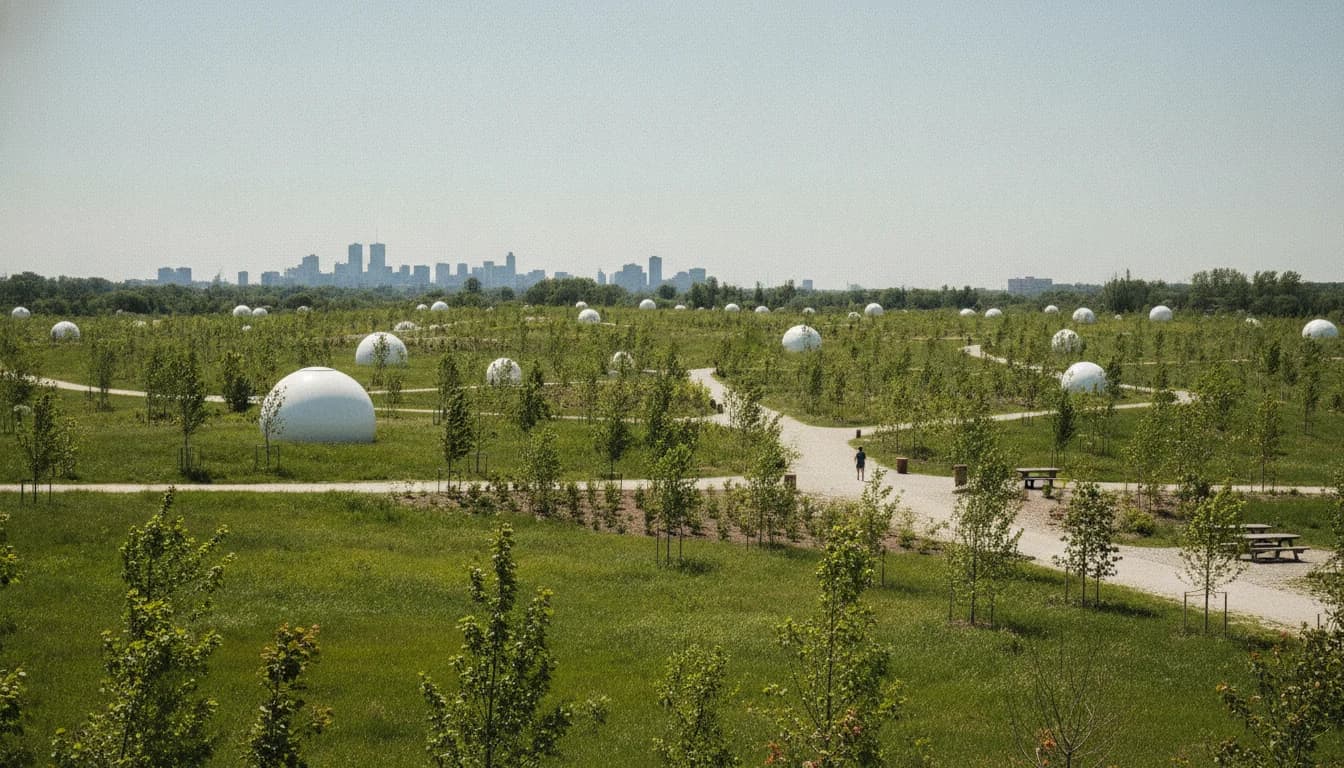
Montreal Times continues to track Parc Frédéric-Back metamorphosis, a transformation that sits at the intersection of urban design, environmental rehabilitation, and public-civic value. This ongoing project, rooted in a decades-long effort to rehabilitate a former limestone quarry and historical waste site, is reshaping how Montréal residents experience green space, culture, and sustainable city living. The latest developments underscore a data-driven narrative: a park that grew from a reclamation project into a metropolitan-scale model for circular economy principles and transformative landscape architecture. The city’s own accounts tie the metamorphosis to a multi-phase sequence that began more than two decades ago and has continued to unfold with new zones, ecological features, and public-art installations that attract residents, workers, and visitors alike. The initiative is not only about greenery; it is about reimagining infrastructure, energy capture, and urban ecology in a densely populated region. (montreal.ca)
In practical terms, Parc Frédéric-Back metamorphosis matters because it maps a tangible pathway from industrial legacies to living laboratories for biodiversity, climate resilience, and creative economies. City officials describe the site as a metropolitan-scale park that is simultaneously a cultural hub and a testbed for sustainable design, walkable mobility, and recreational accessibility. For Montréal residents, the changes translate into more habitat for birds and pollinators, new lookout points with panoramic city views, and a public realm that supports physical activity, community programming, and environmental education. The latest phase, including expanded zones and new amenities, reinforces the park’s role as a living case study for how large urban green spaces can be integrated into modern city life without compromising ecological integrity. (montreal.ca)
What Happened
Announcement context and official framing
Parc Frédéric-Back metamorphosis is the culmination of a long-term project led by the City of Montréal within the Complexe environnemental Saint-Michel (CESM). Official communications describe the park as a bold transformation of a site that was once an active limestone quarry and later a waste disposal area. The transformation is positioned as part of Montréal’s broader environmental rehabilitation strategy, aiming to create a large, accessible green space that integrates culture, recreation, and sustainable urban design. The city’s materials consistently frame the metamorphosis as an intentional, ongoing evolution rather than a single construction phase. (montreal.ca)
Timeline and milestones: origin to present
The official record traces the transformation’s origin back to 1995, marking the start of work that would eventually yield a major urban green space. The park’s development is described as one of North America’s most ambitious environmental rehabilitation projects in an urban setting. Over time, the CESM’s footprint has been progressively shaped to host a diverse set of zones, looking out onto a cityscape while prioritizing biodiversity and sustainable water management. A notable milestone in the timeline occurred in the summer of 2021, when four new sectors—Plaine Est, Boisé Sud, Jarry Est, and Iberville Nord—were inaugurated, adding roughly 14 hectares to the center of the park and triggering a broader redesign that included the complete redevelopment of existing 5 hectares. The scale of the expansion is commonly equated to tens of football fields in lay terms to convey the magnitude of the change. (montreal.ca)
The public-facing description of the park highlights a few standout architectural and design elements that emerged with the metamorphosis. Among these are lookouts and rest areas that punctuate the landscape, but perhaps the most iconic symbols remain the white spheres that dot the park. These spheres are part of a broader system for capturing biogas produced by the site’s decommissioned landfill, and they serve as both functional components of energy management and distinctive visual landmarks. The design integration of science and art is underscored by recognition such as the 2018 Grand Prix du Design award in the Urban Furniture category for the sphere concepts. These features reflect a central theme of the metamorphosis: to turn a challenging site into a public asset that demonstrates environmental stewardship in tangible, accessible forms. (montreal.ca)
Key facts and on-site realities
- Location and scale: Parc Frédéric-Back sits at the heart of the Complexe environnemental Saint-Michel and is framed as a metropolitan park of substantial scale. City officials describe it as occupying a sizable portion of the CESM, emphasizing its role as a primary green space within Montréal’s urban fabric. Independent sources corroborate the park’s prominence within the broader environmental complex, underscoring its status as one of the city’s major green infrastructure projects. (montreal.ca)
- Ecological and design innovations: The metamorphosis includes ecological restoration practices intended to foster biodiversity, reduce heat islands, and re-naturalize water pathways. The project has deployed a mix of strategies, including reusing excavated soil, sand, gravel, composted leaves, and wood chips to shape paths, benches, and other amenities. The emphasis on sustainable materials and on-site composting aligns with Montréal’s broader circulaire economy goals and serves as a model for other redevelopment initiatives. (montreal.ca)
- Public-facing elements and art integration: A distinctive feature of the metamorphosis is the infusion of public art and architectural elements that encourage contemplative and recreational activities. Lookouts, rest areas, and sculptural forms have been introduced to enrich the visitor experience while maintaining ecological integrity. The sphere installations, in particular, have become recognized symbols of the site and its environmental engineering. (montreal.ca)
- Cultural and institutional ecosystem: The park is closely tied to Montréal’s cultural and educational ecosystem, including connections to La TOHU and the Cirque du Soleil ecosystem nearby. The integration of cultural institutions within or adjacent to Parc Frédéric-Back helps amplify the park’s value as a public resource that blends recreation, learning, and artistic expression. (mtl.org)
Stakeholders and statements
City officials and planning professionals emphasize that Parc Frédéric-Back metamorphosis is part of an ongoing urban strategy to bolster environmental resilience and public health through green infrastructure. While the core messages focus on ecological restoration and public amenity, the broader context includes partnerships with cultural organizations, educational programs, and community engagement initiatives that help translate the park’s ecological achievements into everyday citizen benefits. The official city narrative consistently highlights the park’s role in elevating Montréal’s reputation as a city that can balance industrial heritage with sustainable urban living. (montreal.ca)
Why It Matters
Environmental and urban resilience implications
Parc Frédéric-Back metamorphosis matters for environmental resilience in dense urban areas. The transformation demonstrates how a historical site—once used for quarrying and later as a waste disposal area—can be reimagined as a living laboratory for biodiversity, climate adaptation, and sustainable design. By reusing on-site materials and shaping a landscape that supports pollinators and birds, the project contributes to Montréal’s broader biodiversity objectives and helps mitigate heat island effects in a complex urban environment. The scale and ambition of the park reinforce the city’s narrative of environmental leadership in North America, aligning with documented examples of large-scale ecological rehabilitation projects. The public-facing lookouts and water-management features further illustrate how green infrastructure can deliver measurable environmental and social benefits, from carbon sequestration potential to improved air quality and recreational opportunities. (montreal.ca)
Social equity, access, and community benefits
From a social perspective, Parc Frédéric-Back metamorphosis is designed to be inclusive and accessible to a broad cross-section of Montréal residents. The park’s expanded zones and the addition of amenities such as picnic areas, lookouts, and open spaces enable more residents to engage with nature, participate in free programming, and enjoy culturally rich experiences in a single place. The integration with nearby cultural institutions bolsters a civic ecosystem where education, arts, and outdoor activity reinforce community well-being. The urban planning approach behind the metamorphosis prioritizes pedestrian and cycling access, urban mobility, and the creation of spaces that encourage outdoor activity across seasons—valuing health outcomes alongside ecological gains. (montreal.ca)
Economic and tourism dimensions
Economically, the park’s development contributes to Montréal’s tourism and local economy by increasing the city’s appeal as a destination for outdoor recreation and cultural experiences. Touristic stakeholders highlight Parc Frédéric-Back as a flagship example of environmentally minded urban design that also supports nearby institutions, events, and programming. The presence of public art, recreational facilities, and sustained programming can stimulate local businesses around the park and encourage longer visitor stays. While the park’s ecological mission is central, these ancillary economic effects are an important aspect of the metamorphosis narrative, especially in a city that increasingly leverages green infrastructure as a competitive advantage. (mtl.org)
Public health and quality-of-life considerations
Public health benefits are a recurring theme in discussions of the metamorphosis. Access to well-maintained green space supports physical activity, mental well-being, and social connection—outcomes that are particularly valuable in high-density neighborhoods. The park’s design emphasizes safety, accessibility, and year-round usability, including winter use of trails and open spaces for snow-related activities. The ecological design choices—such as vegetation selections and water management—also contribute to a healthier urban microclimate and biodiversity-rich environments that can bolster residents’ connection to nature. (mtl.org)
Broader context within Montréal’s green-infrastructure strategy
Parc Frédéric-Back metamorphosis exists within Montréal’s larger framework of urban renewal and environmental stewardship. As part of the CESM, the park demonstrates how a city can coordinate ecological rehabilitation with cultural and recreational objectives. This alignment with municipal priorities—environmental sustainability, circulaire economy practices, and public engagement—serves as a model for similar projects in North America and beyond. The city’s official materials position Parc Frédéric-Back as a pioneering example of how large-scale green redevelopment can be integrated into metropolitan life without compromising ecological integrity. (montreal.ca)
What’s Next
Ongoing and planned developments
Looking ahead, the Parc Frédéric-Back metamorphosis is framed by a continued program of enhancements and potential future phases. The city’s documentation emphasizes the park’s evolving nature, signaling that additional expansions, ecological features, or cultural installations could be introduced as part of a longer-term plan. While exact dates for prospective milestones aren’t publicly specified in current materials, the pattern of phased development—initial creation, selective expansion in 2021, and ongoing maintenance and programming—suggests a repeatable model for incremental improvements aligned with budget cycles and ecological assessments. Observers should monitor city communications for announcements about new lookouts, pathways, and habitat restoration initiatives that may be proposed in subsequent planning documents. (montreal.ca)
Monitoring performance and impacts
As with any large-scale urban transformation, stakeholders will be watching metrics related to ecological health, user engagement, and energy management. The park’s biogas capture system and the associated energy production provide a continuous feedback loop for evaluating the effectiveness of energy-recovery strategies on site and their impact on emissions and local air quality. Data-sharing practices, public reporting, and independent assessments will likely shape future policy decisions and funding allocations, guiding ongoing investments in maintenance, safety, and programming. The park’s governance structure within Montréal’s broader Great Parks network suggests that performance data will be central to planning and accountability. (montreal.ca)
Potential collaborative opportunities
The metamorphosis also opens doors for cross-sector collaboration. Local universities, research institutes, and cultural organizations can leverage the site for ecological studies, environmental education, and public-art initiatives. Partnerships with municipal agencies can help scale best practices in circular economy approaches to other redevelopment projects citywide. The proximity to La TOHU and Cirque du Soleil ecosystem adds a multidisciplinary dimension that could attract new programming and sponsorship opportunities, reinforcing the park’s role as a living platform for innovation and community engagement. (mtl.org)
What readers should watch for
Readers should stay alert for:
- Updates on any new phases or expansions in the CESM that directly affect Parc Frédéric-Back and adjacent zones.
- Announcements related to programming, guided tours, and educational activities that tie into the park’s ecological and cultural missions.
- New data releases or independent assessments evaluating biodiversity outcomes, energy-recovery performance, and climate-adaptation benefits associated with the park.
- Communications from partner institutions about collaborative events or research initiatives hosted within Parc Frédéric-Back metamorphosis. (montreal.ca)
Closing
Parc Frédéric-Back metamorphosis exemplifies Montréal’s capacity to transform industrial legacies into accessible, living ecosystems that serve residents and visitors alike. The project’s measured pace—anchored in historical milestones, ecological design, and public programming—reflects a broader commitment to sustainable urban growth. As the city advances along this path, the park’s lookouts, its iconic spheres, and its network of green spaces will continue to illustrate how thoughtful planning, combined with community engagement and innovation, can yield a metropolitan green asset that is both economically viable and environmentally vital. For readers seeking ongoing updates, the City of Montréal’s communications and the park’s programming channels remain the most reliable sources of contemporary developments. (montreal.ca)