Plateau–Mile End Nightlife Renaissance 2026 in Montreal

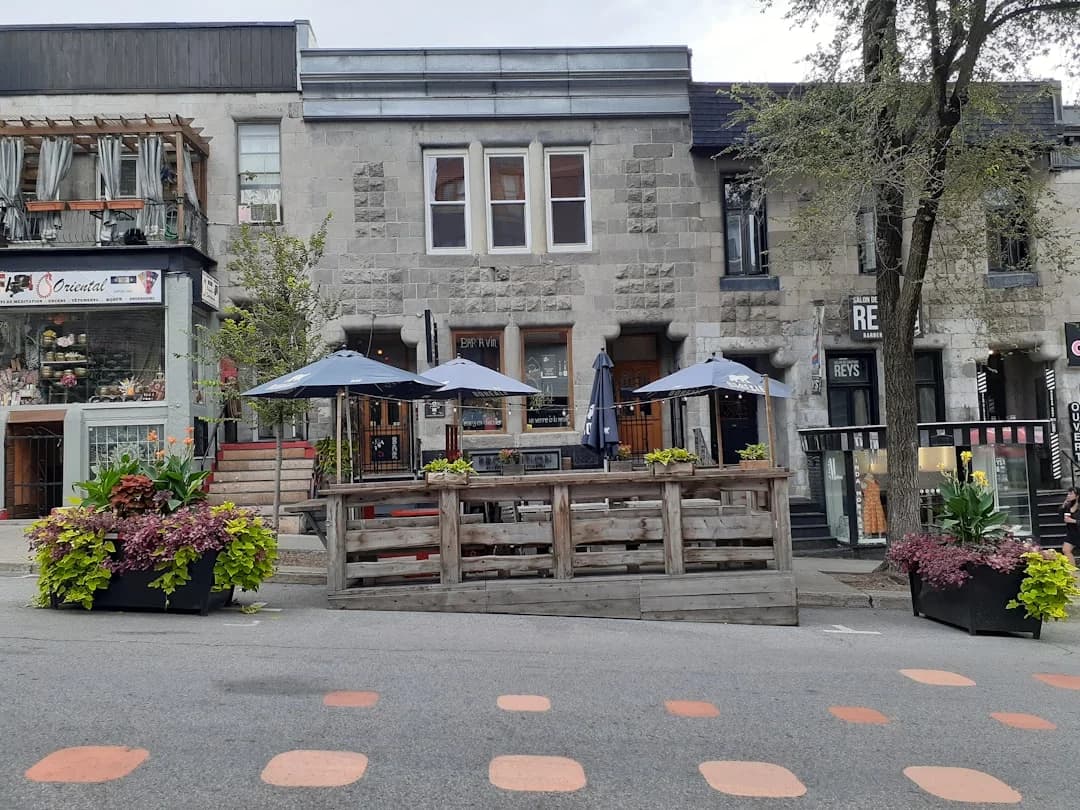
Photo by Alain Guillot on Unsplash
Montreal’s Plateau–Mile End nightlife renaissance 2026 is unfolding as a data-informed, neighborhood-driven shift in where and how residents and visitors experience the city after dark. In 2026, a confluence of new venues, reimagined spaces, and policy updates is reshaping two of Montreal’s most dynamic districts: Plateau-Mont-Royal and Mile End. The change is not just about late hours; it’s about a recalibration of the city’s night economy, with implications for employment, tourism, real estate, and local culture. Early signals from spring openings, festival calendars, and regulatory moves point to a sustained period of renewal that could redefine Montreal’s urban after-hours for years to come. This report examines Plateau–Mile End nightlife renaissance 2026 through a data-driven lens, grounding observations in concrete dates, openings, policies, and event schedules, while balancing perspectives from operators, residents, and city officials. The focus on technology-enabled planning and market trends helps readers understand not just what happened, but why it matters for Montreal’s broader night economy.
Across Mile End and the Plateau, operators are leveraging space reuse, targeted programming, and seasonal pop-ups to extend the life of venues and attract diverse audiences. Tourism and local business associations highlight Mile End as a hub of creative energy, while city authorities are recalibrating regulations to address the realities of a growing, late-night economy. The result is a nightlife ecosystem that blends music, food, and culture with practical considerations like sound management, licensing, and pedestrian-friendly streets. In short, the Plateau–Mile End nightlife renaissance 2026 is not a single event; it’s a layered process that combines opening dates, policy changes, and community-driven programming to create a more vibrant nocturnal cityscape. This evolution matters for everyone from bar staff and chefs to tourists, families living in surrounding blocks, and policymakers seeking to balance vitality with quality of life. (mtl.org)
What Happened
Spring 2026 openings reshape Plateau–Mile End nightlife
Montreal’s spring 2026 season brought a notable surge of openings and concept refreshes in the Plateau–Mile End corridor, signaling a renewed appetite for experimental, neighborhood-scale nightlife. Local coverage highlights a pipeline of new venues and openings that converge with ongoing renovations and adaptive reuse of historic spaces. For readers tracking the Plateau–Mile End nightlife renaissance 2026, the spring window is especially important because it marks the moment when operators moved beyond concept announcements into real-world operations and guest experiences. One prominent example cited in community and industry roundups is Plume, a Mile End debut anticipated for January 2026, illustrating how operators are betting on intimate spaces that combine dining, music, and craft beverage programming in historically storied Mile End spaces. The broader narrative around spring 2026 openings frames Mile End as a proving ground for concept diversification, with Plateau operators following suit along Saint-Laurent Boulevard and nearby streets. (montrealtimes.ca)
In addition to new dining and drinking concepts, industry coverage notes a wave of operator-led improvements designed to elevate the quality and finesse of the Plateau’s bar scene. For example, The Main recently featured coverage of a new pub initiative in the area, emphasizing a push toward more refined service, curated drink programs, and elevated ambiance as a response to evolving consumer expectations in 2026. This aligns with the broader trend of transforming nightlife from purely high-energy venues to mixed-use spaces that deliver value across dining, entertainment, and social experiences. (themain.com)
Another high-profile development tied to the Plateau–Mile End nightlife renaissance 2026 is the relocation and diversification of longtime neighborhood staples. Tourisme Montréal highlights Taverna as a legendary bar whose footprint now spans Mile End and Plateau Mont-Royal, reflecting how established venues are adapting to new neighborhood dynamics while continuing to anchor the city’s late-night identity. This kind of venue evolution—paired with fresh openings—illustrates how the Plateau and Mile End are becoming more resilient to economic shocks while maintaining the authenticity that draws both locals and visitors. (mtl.org)
Event-driven activation and cultural calendars
A central feature of the Plateau–Mile End nightlife renaissance 2026 is a more active event calendar that ties openings to festivals and street activations. Mile End en fête, a signature neighborhood celebration, was scheduled for May 22–24, 2026, presenting a concentrated moment when nightlife operators, arts organizations, and local businesses coordinate programming to draw crowds and foster cross-venue traffic. Such events are not only promotional; they serve as testbeds for new concepts, from pop-up bars and art installations to live music showcases and late-night culinary experiments. The festival calendar underscores Montreal’s commitment to a year-round, place-based nightlife economy that extends beyond the traditional summer peak. (mtl.org)
Policy shifts and regulatory context
Policy changes are a key part of the Plateau–Mile End nightlife renaissance 2026, shaping what’s possible in terms of operating hours, sound management, and public space use. In April 2026, Montreal-area news outlets reported that Plateau-Mont-Royal and Montréal’s urban governance were moving toward a more modernized approach to nightlife regulation, including a noise bylaw overhaul intended to reflect the city’s current resident base and the scale of its entertainment venues. Officials characterized the reform as a necessary step to balance the vitality of the night economy with residents’ quality of life, acknowledging the city’s growth and the need for updated standards that align with contemporary urban life. The policy context matters for the Plateau–Mile End nightlife renaissance 2026 because it provides the framework within which venues operate, plan events, and engage with neighbors. (montreal.citynews.ca)
Together, these developments—spring openings, venue evolution, festival activations, and regulatory updates—compose a data-backed narrative of a neighborhood nightlife renaissance in Plateau–Mile End for 2026. The changes are being observed across multiple sources, including industry publications, city and tourism authorities, and local media, which together paint a picture of a district reborn through thoughtful planning and community coordination. (mtl.org)
Timeline of notable dates in 2026
- January 2026: Anticipated Plume debut in Mile End, signaling a push toward intimate, concept-driven dining and nightlife experiences in the area. (Industry roundups and Montreal Times coverage.) (montrealtimes.ca)
- April 8–9, 2026: Media coverage highlights the evolving Plateau bar scene, including new pubs and refined service concepts aimed at enhancing guest experience. (themain.com)
- May 22–24, 2026: Mile End en fête festival activates the neighborhood’s nightlife economy with events across participating venues. (mtl.org)
- Throughout spring and into early summer 2026: Ongoing venue openings and rebrandings, including Taverna’s cross-neighborhood footprint, reflect a broader territorial expansion of Plateau–Mile End nightlife. (mtl.org)
- 2026 as a whole: Policy discussions around noise bylaw modernization impact how venues schedule programming and how residents experience street-level nightlife. (montreal.citynews.ca)
These dates and developments illustrate a concrete, date-driven arc for the Plateau–Mile End nightlife renaissance 2026, moving from early concept announcements to a more visible, seasonal cadence of openings, events, and policy changes.
Why It Matters
Economic implications for the night economy
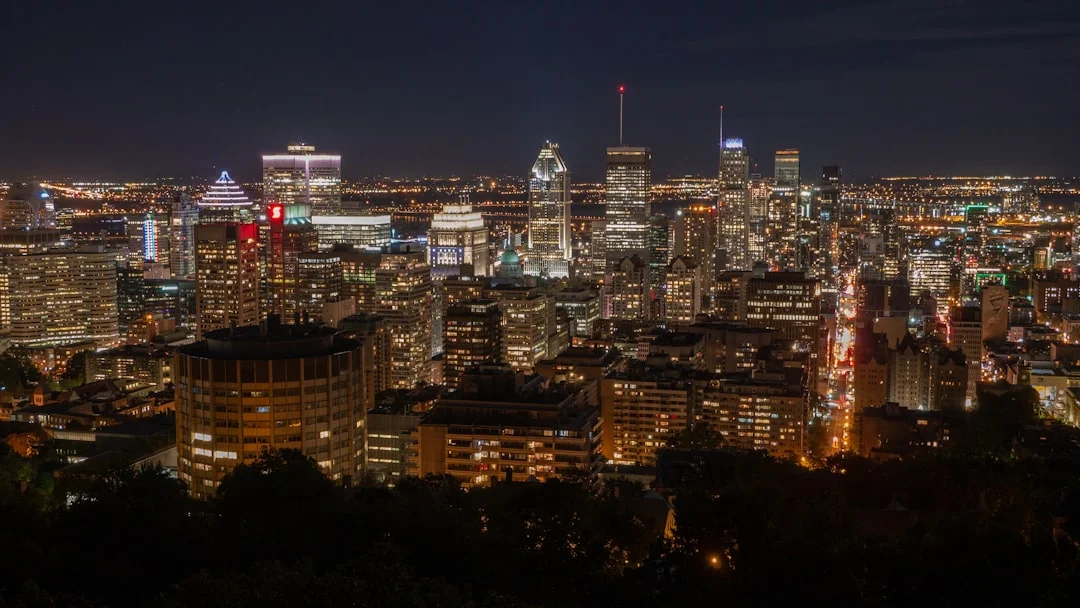
The Plateau–Mile End nightlife renaissance 2026 is more than a stylistic shakeup; it signals a recalibration of the night economy in two of Montreal’s most dynamic districts. Early 2026 reporting from local outlets emphasizes a multi-venue strategy—new openings, reimagined spaces, and pop-ups—that expands the city’s night-time value proposition. By diversifying concepts—from refined pubs to pop-up dining experiences—operators aim to attract a wider mix of patrons, from local workers to international visitors, and to extend revenue opportunities across a longer season. This trend aligns with broader industry observations about Montreal’s nightlife evolving toward neighborhood-scale, concept-driven experiences rather than a handful of monolithic club districts. The net effect is a more resilient local economy with greater cross-traffic for restaurants, retail, and transportation services. (montrealtimes.ca)
Industry observers note that new openings in Mile End and the Plateau contribute to job creation in food and beverage service, craft beverage production, event staffing, and small-venue operations. Operators emphasize a higher bar for guest experience, which translates into increased training needs and wage considerations for staff. While precise employment numbers for the Plateau–Mile End nightlife renaissance 2026 vary by venue and season, the pattern of expansion suggests a measurable positive impact on local employment, especially during peak entertainment periods and festival weekends. Community and business associations stress that the economic upside is connected to a sustainable, mixed-use night economy—one that supports neighbors, reduces long-term vacancies, and encourages ongoing investment in infrastructure and programming. (montrealtimes.ca)
Urban policy, licensing, and resident experience
Policy context shapes how the Plateau–Mile End nightlife renaissance 2026 unfolds on the ground. A key development is the modernization of a longstanding noise bylaw, an update designed to reflect contemporary urban life in a borough hosting more than 50 performance venues and large resident populations. City officials describe the reform as an essential step to balance nightlife vitality with residents’ quality of life, acknowledging growth in the neighborhood’s nighttime economy while clarifying expectations around sound management, outdoor seating, and curfew considerations. This regulatory backdrop matters for venue operators who must plan events, sound levels, and crowd flows in ways that minimize friction with neighbors while preserving the district’s nocturnal appeal. The policy evolution is a crucial context for the Plateau–Mile End nightlife renaissance 2026, shaping both opportunities and constraints for venues and city services alike. > Nightlife governance by a bylaw dating back to 1977 no longer reflects our 105,000 residents and 51 venues, said the mayor. (montreal.citynews.ca)
Tourism and cultural institutions play a complementary role, framing the nightlife shift within Montreal’s broader visitor economy. Tourisme Montréal’s Mile End guide and related materials highlight the neighborhood’s creative energy and nocturnal attractions as part of a year-round appeal. This alignment with the city’s tourism strategy helps ensure that the Plateau–Mile End nightlife renaissance 2026 is not simply a temporary trend, but part of a sustained repositioning of Montreal’s brand as a late-night, culture-forward destination. For readers tracking technology and market trends, the intersection of policy, tourism strategy, and private sector action offers a clear signal: when regulations evolve, and venues invest in differentiated experiences, the result is a more sophisticated, data-driven night economy that can adapt to changing consumer preferences. (mtl.org)
Cultural vitality, tourism, and the lived experience
The urban nights in Plateau–Mile End are increasingly framed by a fusion of food, music, and art that attracts both locals and visitors. The Mile End neighborhood, long celebrated for its independent creative scenes, remains a focal point for nightlife that emphasizes craft beverages, intimate venues, and live performances. Tourisme Montréal’s materials position Mile End as a creative hub with a distinct rhythm after dark, complementing the Plateau’s broader bar and music ecosystem. As venues collaborate with local artists and event organizers, the night scene becomes a platform for cross-disciplinary experiences, from live sets to pop-up galleries and interactive installations. This cross-pollination is central to the Plateau–Mile End nightlife renaissance 2026, helping to ensure that the nightlife economy supports long-term cultural vitality rather than short-term bursts of activity. (mtl.org)
Industry publications also highlight a trend toward more curated guest experiences in the Plateau and Mile End, with operators seeking to differentiate themselves through concept-driven programming, refined service, and a focus on quality over quantity of patrons per night. The Main’s coverage of new pubs in the area underscores a desire to elevate the drinking experience and create spaces that feel both local and inviting to a diverse audience. This emphasis on quality and curation aligns with a broader shift in urban nightlife toward sustainable growth that respects neighborhoods while delivering value to visitors. (themain.com)
Technology and market trends shaping the rollout
Although the core story remains anchored in openings, events, and policy, the Plateau–Mile End nightlife renaissance 2026 is also being influenced by technology and data-driven planning. Operators and city partners are increasingly coordinating programming and permitting processes with data-informed approaches to scheduling, crowd management, and sound control. The regulatory shift around noise, for instance, is part of a broader move to modernize how nightlife is integrated into urban life, leveraging analytics to balance economic activity with quality of life. In addition, tourism and lifestyle outlets emphasize that the neighborhood’s nightlife strategy benefits from digital discovery, event calendars, and curated guides that help audiences navigate a dense, walkable nocturnal landscape. This tech-enabled planning is a quiet but important dimension of the Plateau–Mile End nightlife renaissance 2026, enabling more precise targeting of audiences and more efficient use of limited city resources. (montreal.citynews.ca)
To readers seeking a practical understanding of these trends, a snapshot of the spring 2026 period shows a neighborhood that is leveraging data-driven decision-making to time openings, festivals, and promotions. Montreal Times’ coverage of spring openings, as well as The Main’s reporting on new pubs, illustrate how a combination of venue-level strategy and policy oversight can contribute to a stable, scalable night economy. The integrated approach—regulatory modernization, curated programming, and neighborhood activation—offers a template for other districts facing similar urban-nightlife challenges. (montrealtimes.ca)
Who is affected and who benefits
The Plateau–Mile End nightlife renaissance 2026 touches a broad set of stakeholders:
- Residents near nightlife corridors gain a clearer regulatory framework and more predictable event scheduling, which helps manage noise and Sunday through Thursday activity while supporting weekend vitality.
- Local workers and business owners see expanded opportunities for employment, hours, and skills development as new venues open and existing spaces expand their programming.
- Visitors and tourists gain more reasons to explore the Plateau and Mile End after dark, particularly when tied to curated experiences and neighborhood-centric events like Mile End en fête.
- City planners and policymakers gain a test case for how modernized bylaws and collaborative event programming can sustain a thriving night economy without sacrificing neighbor livability.
This multi-stakeholder balance—grounded in concrete openings, policy updates, and event calendars—underpins the Plateau–Mile End nightlife renaissance 2026 as a durable urban growth story rather than a transient spike in activity. (mtl.org)
Real-world metrics and uncertainties
Given the scale and complexity of Montreal’s night economy, precise metrics (such as total annual nighttime revenue, employment by sector, or venue-license counts for 2026) require ongoing data collection from city agencies, business associations, and venue operators. Early indicators suggest a positive trajectory for the Plateau–Mile End nightlife renaissance 2026, but many numbers remain fluid as new venues open, hours shift, and event calendars fill. This is an area where Montréal Times and other outlets will continue to monitor, report, and analyze trends as more data becomes available. For readers seeking the most up-to-date numbers, following official city dashboards and tourism data releases will provide the most reliable, current figures going forward. (montreal.citynews.ca)
Quotations from industry voices
Nightlife governance by a bylaw dating back to 1977 no longer reflects our 105,000 residents and 51 venues, said the mayor. This acknowledgment underscores the need for modernization that aligns with our city’s evolving neighborhoods and the scale of today’s night economy. The plateau–Mile End nightlife renaissance 2026 benefits from such policy clarity as venues plan long-term calendars that include outdoor activations, amplified sound management, and safer pedestrian experiences. (montreal.citynews.ca)
This quote highlights the regulatory dimension of the Plateau–Mile End nightlife renaissance 2026 and the city’s commitment to balancing growth with livability.
What’s Next
Timeline, next steps, and key milestones
- Short-term (spring–summer 2026): Continue the rollout of new venues and concept refreshes in Mile End and the Plateau, with a focus on curated experiences, neighborhood pop-ups, and nighttime cultural programming. The spring 2026 openings and festival activations will set the tone for a sustained late-night calendar through the summer. (montrealtimes.ca)
- Mid-term (late 2026): Policy implementation and stakeholder feedback cycles will inform further refinements to noise management, outdoor activities, and licensing processes. City officials are expected to publish updates on how the revised bylaw is being applied in practice across the Plateau–Mile End corridor, with potential guidelines for new venues and amplified programming. (montreal.citynews.ca)
- Long-term (2027 and beyond): If the trend holds, the Plateau–Mile End nightlife renaissance 2026 could become a benchmark for other neighborhoods seeking to balance growth with quality of life. Ongoing collaboration among venue operators, residents, and city agencies will be essential to sustain momentum and address emerging challenges, such as transportation, noise containment during peak weekends, and equitable access to nightlife investments. (mtl.org)
Next steps for readers and stakeholders
- For operators: Monitor policy updates and participate in neighborhood consultations to shape how the bylaw is applied to new venues and event formats. Emphasize sound management, crowd safety, and collaborative scheduling to maximize community acceptance.
- For residents: Engage with local associations and attend Mile End en fête and other neighborhood events to experience the evolving night economy firsthand, while providing feedback to authorities on noise, safety, and livability.
- For tourists and casual visitors: Use tourism guides and local calendars to plan visits that align with eclectic Mile End experiences, pop-ups, and live music nights that define the Plateau–Mile End nightlife renaissance 2026.
Closing
The Plateau–Mile End nightlife renaissance 2026 represents more than a sequence of openings and festivals; it is a data-informed reimagining of how two historic Montreal neighborhoods can sustain a vibrant, inclusive, and economically viable night economy. As new venues enter the scene, as policy evolves to reflect contemporary urban life, and as residents and visitors respond to an increasingly curated mix of experiences, the Plateau and Mile End are setting a blueprint for how cities can balance culture, commerce, and community after dark. The coming months will reveal how these early signals translate into sustained activity, stronger hospitality ecosystems, and a more resilient urban nightscape. For those who want to stay informed, local outlets, tourism authorities, and city channels will continue to publish updated timelines, openings, and policy developments that illuminate the continuing Plateau–Mile End nightlife renaissance 2026.
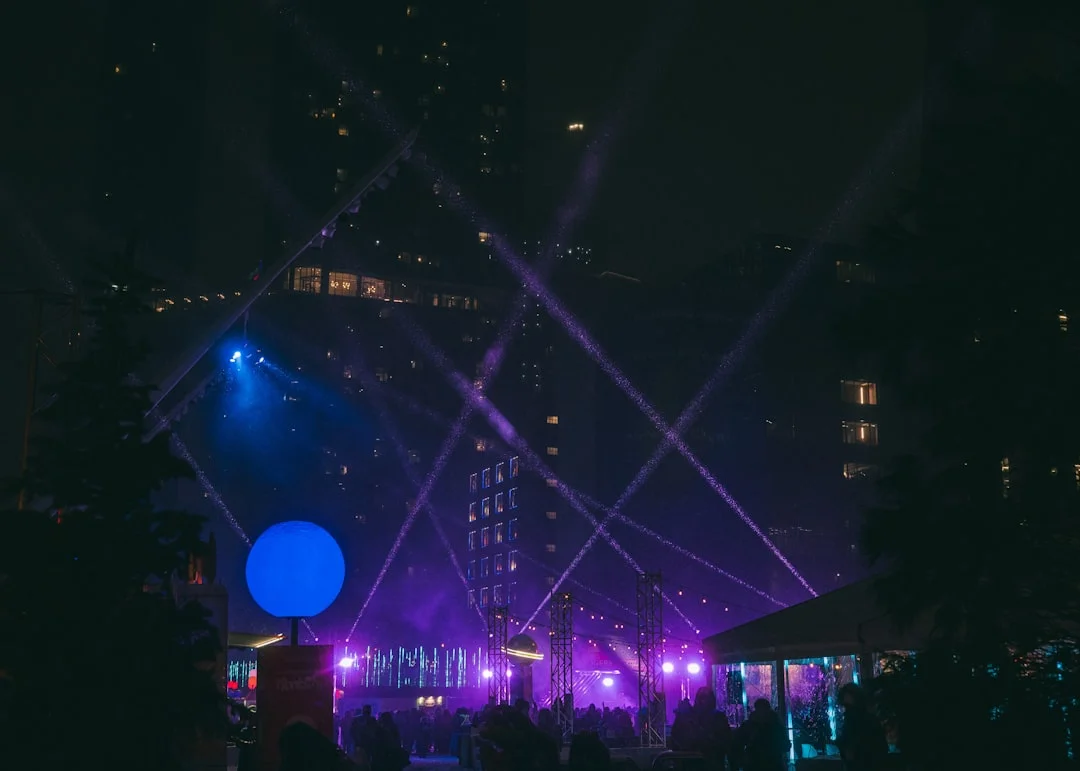
In the weeks ahead, Montréal Times will monitor new openings and regulatory updates, tracking how the Plateau–Mile End nightlife renaissance 2026 unfolds in real time. As venues adapt and the city refines its approach to nighttime life, readers can expect an evolving picture—one that blends data-driven insights with on-the-ground experiences to tell the complete story of Montreal after dark.