QSL Container Terminal Port of Québec Project Announced

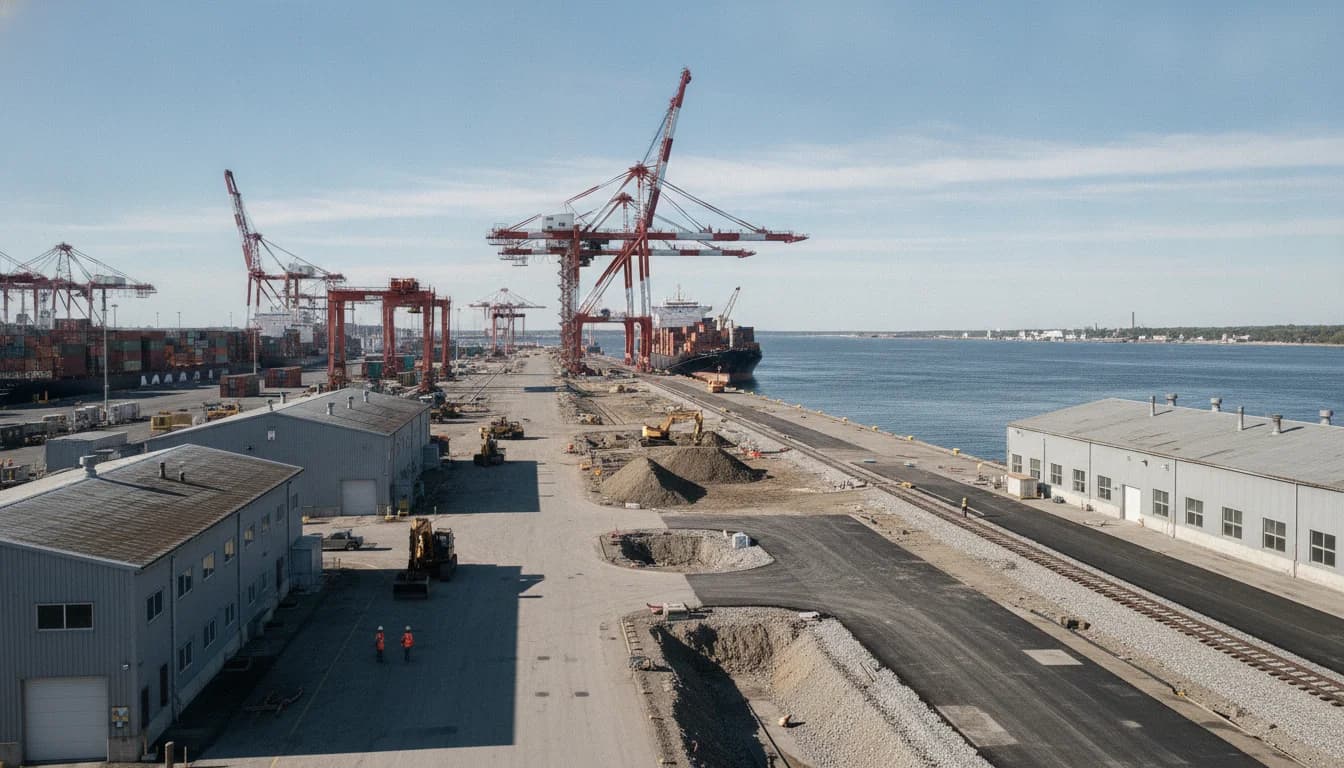
Québec City woke to a new chapter in its shipping story on September 24, 2026, when the Port of Québec announced that QSL International Ltd. had submitted a project notice for an international container terminal in the Beauport sector. The move marks a formal start to an environmental review process and public engagement that could reshape long-haul trucking, regional supply chains, and intermodal transport in the Saint-Lawrence corridor. The news arrives at a moment when Canadian ports are under renewed scrutiny to bolster resilience, diversify markets, and improve efficiency in a post-pandemic, globalized economy. This report provides a data-driven look at what happened, why it matters, and what comes next for QSL, the Port Authority, and Québec’s regional economy.
On August 10, 2026, the Impact Assessment Agency of Canada stated that the Port of Quebec International Container Terminal Project proposed by QSL International Ltd would have a maximum capacity of 200,000 TEUs per year. This capacity figure anchors the project’s scope and informs the public consultation timeline that followed. The August 10 decision is also a milestone in the federal review process, signaling whether the project would be designated for a formal impact assessment under Canada’s Impact Assessment Act. The capacity figure—200,000 TEUs annually—comes from the federal assessment documents and frames the scale of the Beauport site redevelopment that QSL envisions. This central fact and its official provenance were publicly disclosed by the IAAC and later echoed by the Port of Québec and QSL in subsequent communications. For readers seeking the primary source, the IAAC’s register shows the August 10, 2026 ruling and the project’s stated throughput cap. (iaac-aeic.gc.ca)
Section 1: What Happened
Project Notice Filed by QSL
-
In a formal notice published on September 24, 2026, the Québec Port Authority confirms that QSL International Ltd. submitted a project notice for the development and operation of an international container terminal in the Beauport sector of Québec City. The notice is the first major milestone in the federal environmental review process and triggers the Impact Assessment and Mitigation Process (IAMP) overseen by the Port Authority. The notice states that the project would redevelop existing land within QSL’s current footprint, store containers, and utilize existing wharves without new works in the water. This framing situates the Beauport site as a potential, more efficient transshipment node in Québec’s port system. Public information and engagement are part of the next steps in the IAMP Level 2 framework, designed to incorporate input from citizens, stakeholders, and Indigenous communities. The Port Authority emphasizes that the IAMP is a transparent, inclusive process that will help document environmental and social effects and determine appropriate mitigation measures. Readers can access the official project notice and ongoing IAMP materials via the Port of Québec’s site. (portquebec.ca)
-
The same Port of Québec release highlights a structured public-information phase, including online engagement and two in-person public meetings scheduled for October 14 and 15, 2026. These sessions are designed to educate the public about the project, answer questions, and solicit comments that will shape the subsequent phases of the review. Members of the public are invited to consult the Je Particip platform for current notices and progress, ensuring a single, transparent portal for participation. The public engagement component is a core element of the project’s early-stage governance. (portquebec.ca)
Timeline and Milestones
-
The September 24 filing is the first concrete timeline marker in a multi-month process. Public meetings in mid-October are the immediate next step in the IAMP, with ongoing documentation and comment periods to follow. The Port Authority’s communications emphasize that, at this stage, a project notice is not an approval or an authorization; it is the starting point for the IAMP, setting out information-sharing and consultation mechanisms and enabling the project to be documented and assessed in a transparent, participatory manner. The timeline is explicit about public involvement windows and information channels, including the Je Particip platform for ongoing updates. (portquebec.ca)
-
In parallel to the Port Authority’s notice, the federal government’s independent review body, the Impact Assessment Agency of Canada, published a formal update on August 10, 2026. The IAAC’s record confirms the project’s proposed scale and outlines the status of designation under the IAA, including the fact that the President determined the project did not warrant designation. This decision does not end the process; rather, it clarifies the federal oversight path and assigns responsibility for the subsequent review workflow. The August 10 update and the project’s capacity specification anchor the broader timeline and set expectations for how the project will be evaluated. (iaac-aeic.gc.ca)
Scope and Capacity
- The IAAC page specifies a maximum capacity of 200,000 TEUs per year for the Port of Quebec International Container Terminal Project. This figure is central to understanding the project’s scale, potential market reach, and its implications for intermodal connections, hinterland transport, and regional logistics planning. The capacity cap informs how the terminal could fit into existing supply chains and how it might affect traffic, trucking patterns, and intermodal interchange in the Beauport area. The project’s stated footprint and capacity are the anchors for the public information and environmental review process now underway. For interested readers, the IAAC documents provide the most formal, primary articulation of the project’s scale. (iaac-aeic.gc.ca)
Section 2: Why It Matters
Economic and Regional Impacts
-
The Beauport site faces a pool of competitive advantages and challenges as a potential international container terminal. A 200,000 TEU/year capacity suggests a mid-sized regional hub, with the potential to improve intermodal efficiency, shorten trucking routes to inland markets, and diversify Québec’s export channels beyond current corridors. Local business associations and regional logistics players will be watching carefully, as even modest shifts in container movements can ripple through trucking activity, warehousing demand, and short-sea and rail service planning. The Port of Québec’s own 2025 activity reflections underscore the port’s strategic aim to grow its role in a diversified, resilient supply chain network, aligning with Canada’s broader goals to strengthen critical infrastructure and regional competitiveness. While the initial phase is evaluative, the prospect of an international container terminal in Beauport could tilt intermodal flows and necessitate adjustments to road, rail, and warehouse capacity in the surrounding zones. For context on the port’s broader strategy, see the Port of Québec’s public reporting on 2025 performance and the 2035 Vision. (portquebec.ca)
-
QSL’s framing of the project emphasizes the redevelopment of an existing industrial site rather than a new footprint in the water. This could have implications for site access, environmental mitigation, and workforce development in the Beauport area. The company’s communications describe a vision of enhanced logistics capabilities that support intermodal movement and regional export opportunities. In a broader sense, the project aligns with ongoing conversations about port-led economic development, regional resilience, and the role of deep-water terminals in supporting national trade objectives. The project’s own communications provide a window into its intended value proposition and how it envisions Québec’s role in Atlantic trade corridors. Readers can review QSL’s release for the project’s own framing. (qsl.com)
Environmental and Community Considerations
-
The IAMP Level 2 process is designed to ensure comprehensive environmental and social review, with opportunities for public participation and expert input. The Port of Québec’s release emphasizes that the process will identify mitigation measures and examine potential impacts beyond the project’s immediate boundaries, acknowledging that a major new container terminal could influence air quality, traffic patterns, noise, and marine environment considerations in Beauport and surrounding neighborhoods. The public meetings, information-sharing objectives, and translation of concerns into mitigations are central to maintaining a balanced, evidence-based approach to evaluating a project of this scale. The public information sessions and the Je Particip platform are the channels through which residents and stakeholders can gauge the process and contribute to its outcomes. (portquebec.ca)
-
The federal dimension of environmental review adds another layer of accountability, ensuring that projects with potential cross-border and national significance are considered through standardized processes. The August 10 IAAC decision on designation clarifies federal involvement, but it does not remove environmental scrutiny or community involvement. In practice, communities near Beauport, local businesses, environmental groups, and workers’ organizations will use the IAMP and IAAC documentation to assess potential long-term implications, such as intermodal project spillovers, air emissions, and changes to ship traffic on the Saint-Laurent. Readers should monitor both the Port Authority’s updates and independent analyses to understand the evolving environmental accounting around the project. (iaac-aeic.gc.ca)
Strategic Context for Québec and Canada
- Québec’s port strategy has long emphasized diversification of markets, resilience of supply chains, and the role of port authorities in regional economic development. The Port of Québec has repeatedly framed its mission around positioning the city as an international hub that complements Montreal’s existing volume while leveraging Beauport’s deep-water access and inland connectivity. The 2025 reflections and the 2035 Vision highlight a deliberate effort to balance growth with community and environmental stewardship, a balance that will be tested as QSL’s project proceeds through the IAMP and, potentially, a more formal designation process if warranted. The ongoing dialogue around this project sits at the intersection of local development goals and national trade policy, particularly in a period when Canada is recalibrating port capacity to support diversifying export routes and imports in a more balanced, resilient fashion. (portquebec.ca)
Section 3: What’s Next
Public Information and Engagement
- The September 24, 2026 notice and the Port Authority’s outline of the IAMP Level 2 process set a clear path for the next several weeks. The two in-person public meetings on October 14 and 15 will be central to the early-feedback stage, and the Je Particip platform will host ongoing information as the assessment unfolds. Public input during these sessions and the online portal will feed into the environmental documentation, the mitigation strategies, and the final recommendations the Port Authority and federal authorities will consider as the project moves through the designations and approvals pipeline. The process is designed to be transparent and inclusive, with opportunities for academics, community groups, and industry representatives to weigh in on the project’s scope, anticipated impacts, and proposed mitigations. (portquebec.ca)
Regulatory and Designation Pathway
- The August 10 IAAC decision is a critical waypoint in the regulatory timeline. While the project does not warrant designation under the IAA, the IAMP remains a key mechanism for ongoing oversight. The decision does not close the door on federal involvement; rather, it clarifies the procedural route the project will follow. Stakeholders should expect continued documentation, public comment periods, and potential revisions to project plans as QSL and the Port Authority coordinate with IAAC and other agencies. The IAAC’s registry provides the authoritative account of designation status and the associated documentation that accompanies future steps. (iaac-aeic.gc.ca)
What to Watch For
- In the coming weeks and months, the primary indicators will be:
- Public information sessions and online engagement metrics on the Je Particip platform.
- The submission of additional project documentation by QSL and the Port Authority, including environmental impact specifics and mitigation strategies.
- Any subsequent federal or provincial communications that signal a shift in the oversight framework or a potential adjustment of the project scope.
- Given the capacity figure of 200,000 TEUs per year, observers will want to track throughput projections, intermodal connectivity plans (road and rail integration around Beauport), and how the project aligns with broader Canadian port modernization and supply-chain resilience initiatives. The Port Authority’s annual reporting and public-facing materials will provide context on how this project could complement or compete with existing container movements in the region and across the Saint-Lawrence corridor. (iaac-aeic.gc.ca)
Closing
The Port of Québec’s Beauport container terminal project signals a significant inflection point for Québec’s logistics landscape. With QSL’s filing generating federal and municipal-level scrutiny, the next steps—public information meetings, environmental assessments, and ongoing documentation—will shape whether the project becomes a new node in Canada’s international container network. For readers and stakeholders, the key remains transparency and timely information: the Port of Québec is hosting the public engagement process, while IAAC’s August 10 decision clarifies the federal oversight posture, and QSL’s communications frame the project’s potential economic benefits and logistical ambitions. As the week of October 14 to 15 approaches, eyes will turn to the public sessions and the evolving documentation that will determine whether Beauport becomes a new continental corridor for containerized trade. The coming months will reveal how seriously this plan is taken, how it adapts to community concerns, and how it fits into Québec and Canada’s broader goals for resilient, efficient supply chains. Stay tuned to the Port of Québec’s notices and the IAAC and QSL updates for the latest information. (portquebec.ca)