Québec City Waterfront Revitalization 2026: Plan Unveiled

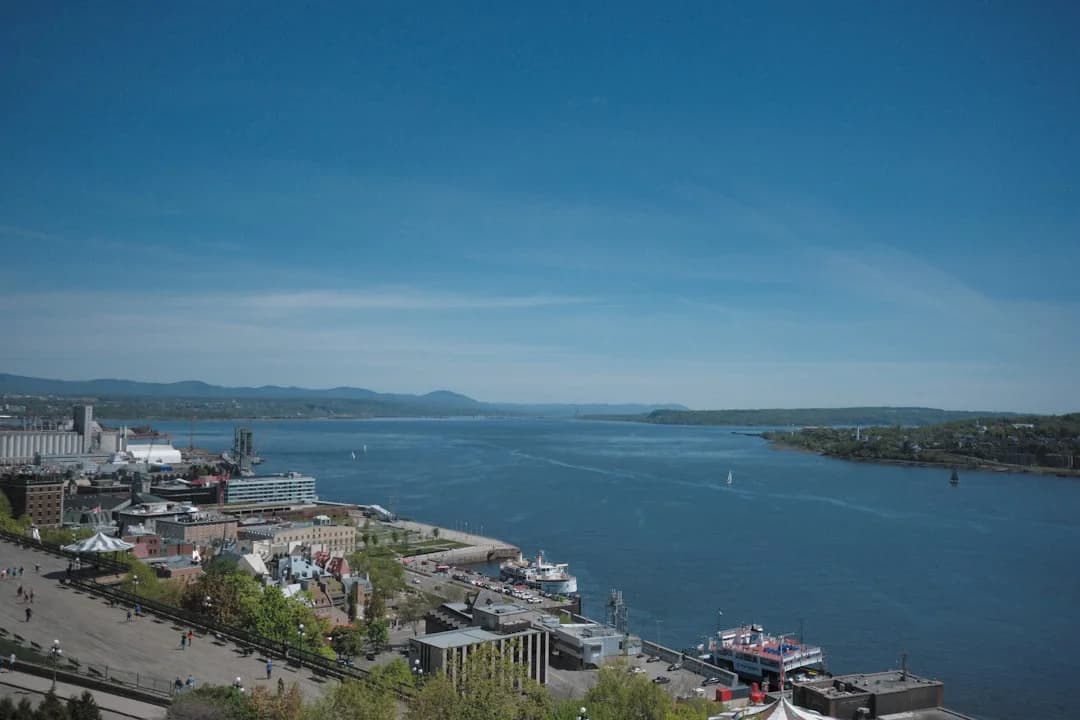
Photo by Surinder Singh on Unsplash
A sweeping waterfront initiative in Québec City is moving from concept to concrete steps in 2026, signaling a major shift in how the city pairs public space with its working river. The Québec City waterfront revitalization 2026 plan, developed through a joint framework between the City of Québec and the Port of Québec, aims to harmonize port activities with enhanced public realms along the St. Lawrence River. This is not a single-issue project; it is a long-term, multi-stakeholder effort embedded in the city’s broader Vision Ville-Port 2026-2035. The announcement underlines the ambition to deliver more than promenades and parks: it seeks to weave waterfront accessibility, economic vitality, residential options, and sustainable infrastructure into a cohesive urban experience. The plan’s timing and scope matter because they reflect how a historic riverfront—central to Québec’s identity and economy—could reshape investment, mobility, and quality of life for residents and visitors alike. The initial momentum comes just as Québec City accelerates other major infrastructure efforts, including tramway construction and shoreline resilience initiatives, which intersect with waterfront development and land-use planning across the Ville-Port corridor. (ville.quebec.qc.ca)
The waterfront initiative is anchored in a formal, cross-institutional vision that explicitly frames the Port and the City as collaborative growth engines. The Vision Ville-Port 2026-2035 lays out five core considerations—governance, economic vitality, urban integration, connected infrastructure, and durable, sustainable values—that guide how the waterfront will evolve over the next decade and beyond. In practical terms, that means designing interfaces that are accessible to pedestrians and cyclists, prioritizing public spaces along the river, and ensuring that port-related activities remain compatible with neighborhood livability. The document emphasizes a holistic approach, seeking to position the waterfront as a driver of prosperity while preserving community well-being and environmental health. The plan’s emphasis on an integrated, transparent governance model is designed to reduce friction between public authorities, private stakeholders, and community groups, ensuring that waterfront investments translate into broadly shared benefits. (ville.quebec.qc.ca)
Open and public, the waterfront conversation in 2026 is not happening in a vacuum. Local authorities have signaled a concrete tempo for waterfront projects in the year ahead, including new bridges and pedestrian linkages, as well as planned enhancements to park spaces and riverfront pathways. The City of Québec’s ongoing Grand Chantiers program identifies the 2026 calendar as a year of intensified work on mobility corridors and critical infrastructure, with tramway development occupying a central role in urban connectivity. While the tramway project remains a separate, high-profile initiative, its progress and the waterfront plan are increasingly understood as interdependent—each influencing how people move, work, and gather along the river. This alignment matters for market conditions, because improved access to the waterfront typically raises demand for nearby housing, retail, and cultural amenities, while also shaping public investment priorities and private-sector responses. (ville.quebec.qc.ca)
Section 1: What Happened
Announcement Details
Joint plan launched to align city-port development
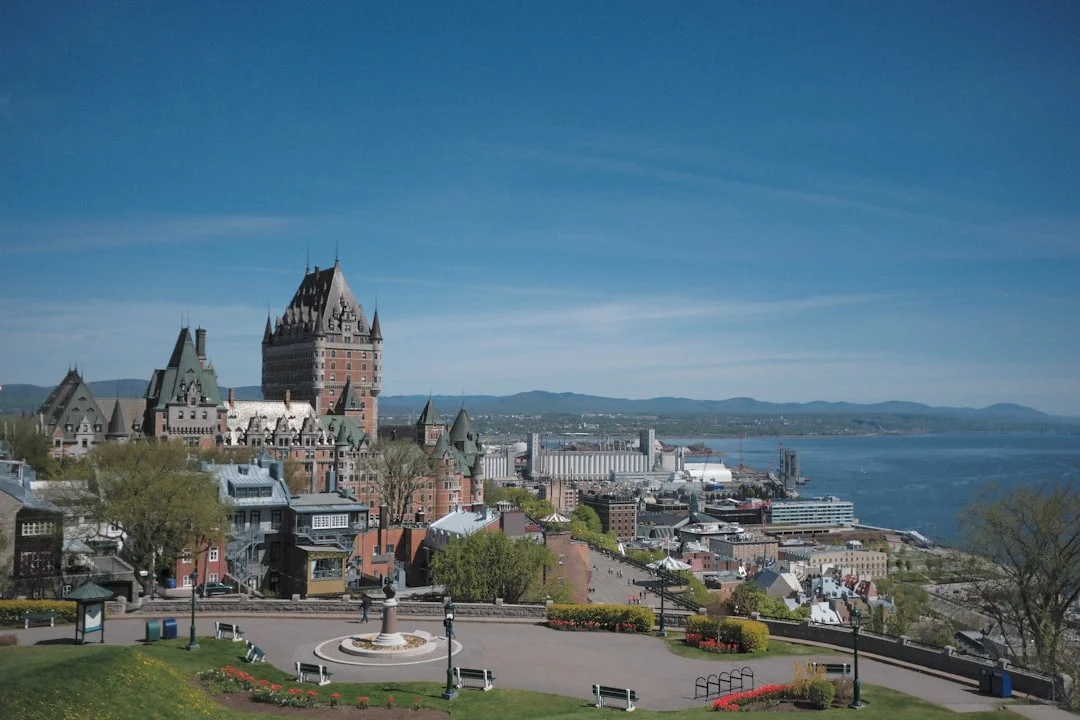
In May 2026, city and port authorities jointly signaled a formal commitment to a Québec City waterfront revitalization that is designed to unfold over a multi-year horizon. The initiative centers on implementing the Vision Ville-Port 2026-2035 framework, which seeks to better integrate port operations with urban life, while expanding public access to the riverfront through promenades, parks, and housing-linked development. The vision explicitly describes the waterfront as a living, evolving landscape where economic activity and community space coexist in a balanced, resilient manner. This aligns with ongoing municipal planning efforts to harmonize maritime functions with neighborhood amenities, pedestrian networks, and climate-adaptive infrastructure. The public-facing rationale centers on equitable access to the waterfront and the opportunity to transform the river into a platform for culture, tourism, and local entrepreneurship. (ville.quebec.qc.ca)
Specific projects tied to the waterfront agenda
A core dimension of the waterfront revitalization is the advanced planning around new linkages and public realms that will connect Haïr port activities with areas such as Pointe-du-Moulin and adjacent neighborhoods. Official communications indicate that the Pointe-du-Moulin pedestrian-cyclist bridge will be advanced through a qualification and design-construction process, signaling a major access upgrade to the eastern waterfront. The call for qualifications represents an early, competitive stage intended to attract capable design-build teams to realize a riverfront crossing that improves mobility while respecting riverbank ecosystems and heritage contexts. While the exact cost figures remain forthcoming, the emphasis is on delivering a high-quality, durable corridor that supports both daily commuting and leisure travel. The broader waterfront program also dovetails with cultural and environmental initiatives that are already in motion, including new park spaces and reinterpretive cultural programming along the river. (capitale.gouv.qc.ca)
Related cultural and infrastructural milestones in 2026
In addition to the waterfront plan, Québec City is advancing a suite of related projects that shape the riverfront experience and the broader urban landscape. Notably, 2026 is a pivotal year for transport and public realm upgrades, with the tramway program intensifying activity along multiple corridors and creating ripple effects for nearby streetscapes and waterfront interfaces. The Grands chantiers portal indicates that major road and utility work, alongside tramway construction, will be visible across several districts in 2026. While these projects are distinct from the waterfront revitalization per se, their execution and timing influence how the riverfront is accessed, built out, and enjoyed by residents and visitors. The interplay between transit investments and waterfront upgrades is a critical factor shaping land values, commercial vitality, and the pace of private development around the riverfront. (ville.quebec.qc.ca)
Timeline and Key Facts
Timeline highlights
- 2024-2026: Groundwork for riverfront branding and port-city collaboration, with early planning and stakeholder engagement shaping the Vision Ville-Port approach. The Espace Riopelle pavilion project, though primarily associated with the Musée national des beaux-arts du Québec, exemplifies 2026-era cultural-inflection points along the waterfront, signaling the cultural layer that the waterfront plan seeks to amplify. The pavilion’s groundbreaking occurred in 2024 with anticipated operational impact around 2026, illustrating how cultural venues contribute to riverfront draw and identity. (quebec.ca)
- 2025-2026: Formalization of the Port-City governance framework and continued integration with municipal plans under Vision Ville-Port 2026-2035, including the goal of better aligning waterfront use with long-term urban strategy. The governance principle emphasizes transparency, collaboration, and shared accountability among municipal agencies, the port, and external partners. (ville.quebec.qc.ca)
- 2026: Initiation of key infrastructure projects tied to the waterfront, including the Pointe-du-Moulin crossing process and ongoing waterfront studies that address flood risk, climate adaptation, and public realm enhancements. The year also marks heightened activity in tramway-related construction, with broader implications for waterfront connectivity and neighborhood access. (capitale.gouv.qc.ca)
- 2026-2035: The Vision Ville-Port 2026-2035 horizon frames the long-term roadmap for waterfront development, with milestones set to advance public spaces, riverfront accessibility, and economic vitality across the Ville-Port corridor. This is the period during which design approvals, procurement cycles, and phased construction will unfold, influenced by environmental considerations and stakeholder input. (ville.quebec.qc.ca)
Key facts shaping the waterfront plan
- The waterfront revitalization is anchored by a formal governance framework designed to align city and port objectives while embedding public value in waterfront investments. The governance model rests on open collaboration and long-range planning that integrates community input with strategic economic development. (ville.quebec.qc.ca)
- The plan foregrounds the Port as an engine of regional prosperity, while also prioritizing the social and environmental dimensions of waterfront use. By acknowledging both port functionality and public access, the plan endeavors to maximize the waterfront’s role in job creation, tourism, and quality of life for local residents. (ville.quebec.qc.ca)
- The Pointe-du-Moulin gateway and other riverfront crossings are central milestones, intended to improve multimodal connectivity and to extend the city’s public realm into the waterfront zone. The qualification process for such a crossing signals a formal, competitive approach to procuring the design and construction work needed to deliver durable, high-quality infrastructure. (capitale.gouv.qc.ca)
- Cultural and environmental dimensions are integral to the waterfront’s future, with projects such as the Espace Riopelle pavilion illustrating how art and heritage spaces can anchor riverfront revitalization while attracting visitors and supporting creative economies. (quebec.ca)
Section 2: Why It Matters
Impact Analysis and Market Context
Economic vitality and job creation
The waterfront revitalization is framed as a multiprong economic strategy, designed to stimulate private investment along the riverfront while maintaining port efficiency. The Vision Ville-Port 2026-2035 positions the waterfront as a hub where maritime activity, tourism, hospitality, and retail intersect with residential growth. By formalizing a durable governance structure and prioritizing compatible land uses, the plan offers a stable platform for developers, investors, and local businesses to plan long-term. The city’s emphasis on a “port as a pillar of prosperity” underscores the expectation that waterfront improvements will translate into job growth, higher tourism yields, and increased local business activity, all while preserving environmental integrity. This context matters for market watchers and urban economists who track how waterfronts convert riverfronts into value-generating districts. (ville.quebec.qc.ca)
Urban livability and social equity
Beyond macroeconomics, the waterfront plan is anchored in urban livability and inclusive design. The emphasis on open governance, accessible interfaces, and diversified waterfront uses reflects a commitment to broad-based participation and equitable access to public amenities. The Vision Ville-Port framework highlights “interfaces accessible and shared” and the need to strengthen connections between citizens, the river, and surrounding neighborhoods. In practical terms, this translates into wider bike-and-pramenade networks, enhanced riverfront parks, and housing options that align with neighborhood-scale needs. For residents in adjacent districts, the waterfront revitalization signals a future where the river becomes a shared amenity rather than a barrier between districts. (ville.quebec.qc.ca)
Environmental resilience and climate adaptation
A central throughline of waterfront planning is resilience in the face of flood risk and climate variability. The regulatory and planning context in Quebec—especially the updated rules around flood zones and littoral management—coheres with the waterfront program’s aim to embed sustainable practices in design, construction, and operation. The province’s regulatory framework for flood management and shoreline protection, updated in 2026, provides the policy backbone for waterfront infrastructure that can withstand flood events and rising water levels while maintaining public access. This alignment is critical for investors and insurers who weigh risk and return in waterfront development. (quebec.ca)
Cultural identity and tourism appeal
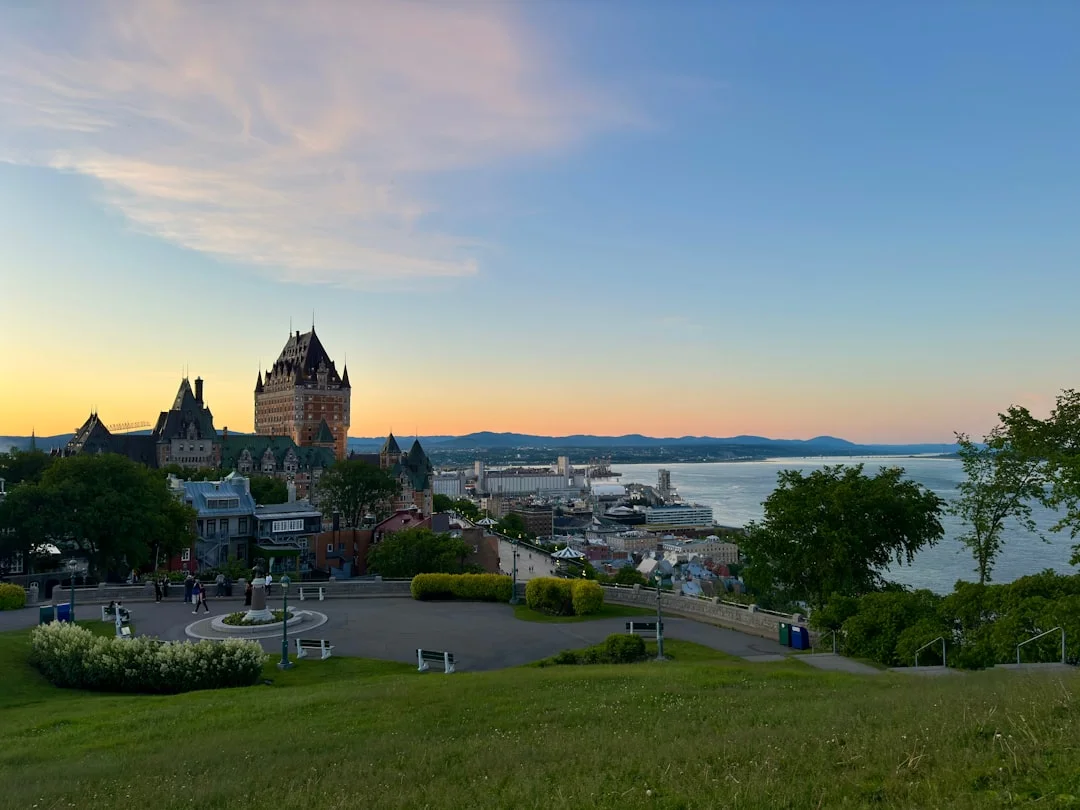
Québec City’s waterfront has long been a stage for culture and heritage, and the waterfront revitalization plan explicitly seeks to harness this identity. The Espace Riopelle pavilion and related cultural initiatives demonstrate how riverfront development can extend the city’s museum and arts economy into the public realm, creating new visitor experiences and opportunities for cultural programming. As a result, the waterfront becomes not only a place for daily life but also a magnet for visitors seeking an integrated urban-cultural itinerary. The interplay between culture and waterfront access reinforces Québec City’s broader tourism strategy and supports related sectors such as hospitality, food services, and retail. (quebec.ca)
Who It Affects
Residents and neighborhoods
The waterfront revitalization is poised to affect neighborhoods along the river by improving safety, access, and public space quality. Enhanced promenades and parks offer opportunities for outdoor recreation, family-friendly activities, and daily commutes that integrate with transit and cycling networks. The cross-anchoring with transit projects, including the tramway, implies changes in traffic patterns, street design, and parking policies that can influence housing desirability, property values, and affordability in adjacent areas. The city’s planning approach emphasizes cohabitation between port uses and urban life, aiming to distribute benefits across communities while mitigating disruption during construction. (ville.quebec.qc.ca)
Businesses and developers
For developers and local businesses, waterfront investments create a predictable, long-range planning environment. The Vision Ville-Port 2026-2035 emphasizes a partnership-based governance model and a shared vision for growth, which encourages public-private collaboration. The presence of anchor cultural projects, improved river access, and enhanced public spaces typically elevates foot traffic and consumer activity along the waterfront, with potential spillovers into nearby commercial corridors. However, developers will also need to monitor the timeline of infrastructure work, such as tramway construction and flood-management upgrades, which can temporarily affect construction sequencing, traffic, and site access. (ville.quebec.qc.ca)
Visitors and tourists
The waterfront revitalization is designed to improve the city’s tourism proposition by delivering more cohesive riverfront experiences, improved circulation, and access to public events and cultural offerings. Projects such as new promenades, parks, and the Pointe-du-Moulin crossing contribute to a more walkable and bike-friendly riverfront, potentially extending the duration and intensity of visits to the waterfront district. The cultural dimension—highlighted by proximity to museums and performance venues—amplifies the riverfront’s draw for tourists seeking a diversified urban experience that blends scenery with cultural programming. (quebec.ca)
Section 3: What’s Next
Timeline, Next Steps, and Watch Points
Short-term milestones in 2026–2027
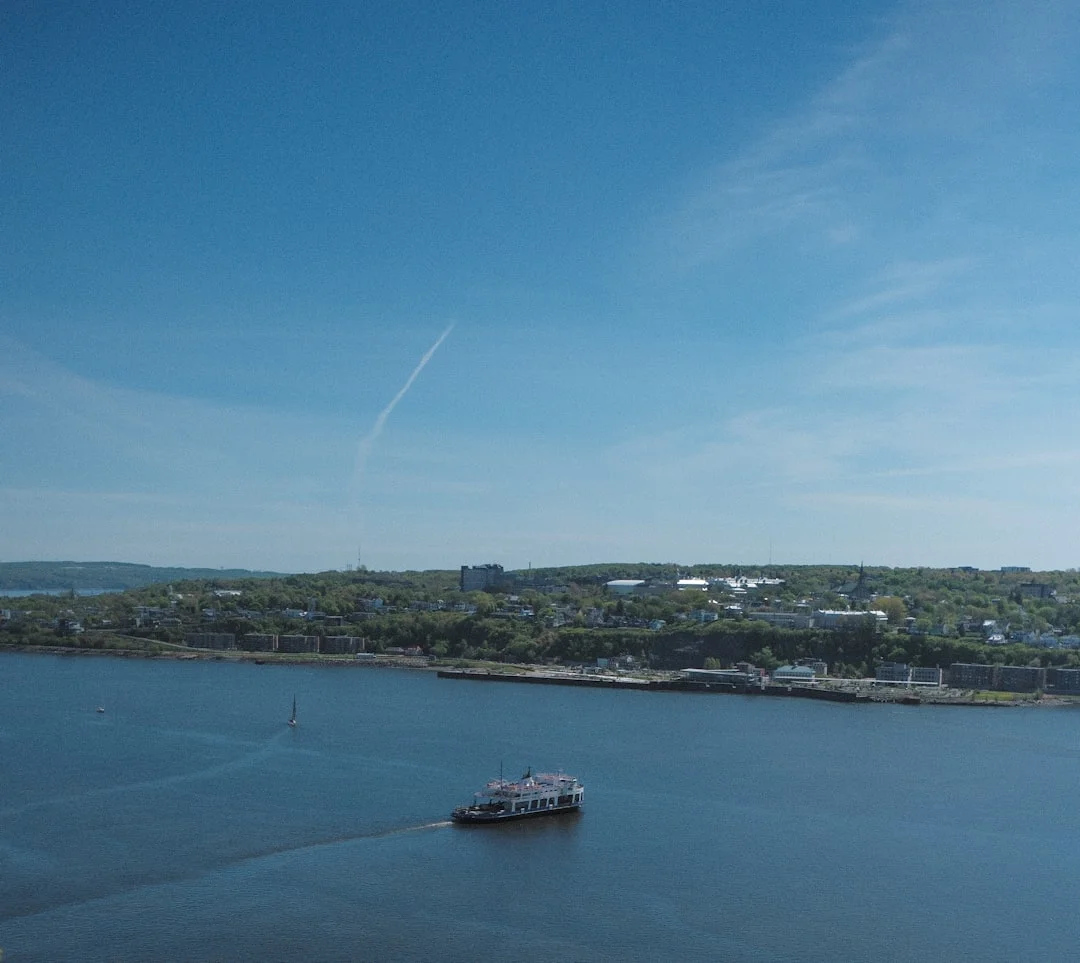
The next 12–24 months are expected to bring progress on several fronts that are directly relevant to the Québec City waterfront revitalization 2026. The Pointe-du-Moulin pedestrian-cyclist bridge process is at a critical preparatory stage, with the qualification call laying the groundwork for a design-build competition that will determine the crossing’s form, materials, and performance criteria. Early procurement steps will drive design development, environmental review, and stakeholder consultation across the Ville-Port corridor. At the same time, the tramway program is advancing, with ongoing construction and related mobility upgrades anticipated to influence waterfront access routes and surrounding street networks. These parallel tracks—waterfront public realm enhancements and major transit infrastructure—will shape the pace and sequencing of near-term improvements to the riverfront area. (capitale.gouv.qc.ca)
Medium-term priorities (2026–2030)
Looking beyond the immediate months, the waterfront plan will likely prioritize a phased approach to public realm construction, park upgrades, and housing-related development along the St. Lawrence. The Vision Ville-Port 2026-2035 framework points to deeper integration of port activities with urban functions, including the creation of publicly accessible waterfront interfaces, improved riverfront transitions between neighborhoods, and the expansion of cultural and recreational amenities. The long-range horizon suggests that major waterfront components—such as new park networks, riverwalk connections, and housing components integrated with waterfront parcels—will unfold in stages aligned with funding cycles, procurement schedules, and community feedback. The governance model established in 2026 is intended to sustain momentum and reduce delays across multiple projects by coordinating timelines and responsibilities among municipal departments, the Port of Québec, and external partners. (ville.quebec.qc.ca)
Long-range expected outcomes (2030–2035 and beyond)
In the longer arc, the waterfront revitalization is expected to contribute to a more cohesive Ville-Port ecosystem, leveraging the river as a backbone for sustainable growth, climate resilience, and cultural vitality. As riverfront housing, parks, and promenades become established, the market for waterfront-adjacent real estate could respond with increased investment and diversification of land uses. The plan’s emphasis on sustainable infrastructure suggests that future upgrades will continue to emphasize flood resilience, green networks, and river stewardship, ensuring that the waterfront remains both accessible and resilient under changing climate conditions. The Vision Ville-Port program is designed to provide the governance and financial framework to sustain these investments over many years, with periodic reviews and updates to reflect evolving priorities and stakeholder input. (ville.quebec.qc.ca)
What to watch for next
- The Pointe-du-Moulin crossing selection and design submission timeline, including potential public hearings, environmental assessments, and procurement milestones. This crossing is emblematic of the broader approach to improve riverfront accessibility while preserving ecological integrity and memory of the site. (capitale.gouv.qc.ca)
- continued progress on the tramway and adjacent street upgrades, which will influence pedestrian and cycling networks, street frontages, and the overall rhythm of waterfront activity. The 2026 calendar is a guardrail year for these major mobility projects, and their outcomes will set the stage for subsequent waterfront enhancements. (quebecurbain.qc.ca)
- the opening and programming calendar for waterfront cultural venues and public spaces, including anticipated events, seasonal activations, and new art installations tied to the Espace Riopelle pavilion’s broader ecosystem of riverfront venues. (quebec.ca)
Closing
Québec City’s waterfront revitalization 2026 marks a foundational moment for how the city imagines its riverfront economy, mobility, and public life. By aligning port operations with public access, green space, and housing opportunities, the city aims to create a riverfront that is both economically productive and publicly cherished. The plan’s success will depend on sustained collaboration among city agencies, the Port of Québec, provincial authorities, private developers, and the public. As work advances through 2026 and into the subsequent decade, observers will be watching not just construction timelines but also how effectively the waterfront translates into everyday life—how people walk, cycle, and gather along the river; how businesses grow around the improved public realm; and how environmental safeguards keep the waterfront resilient for generations to come. The coordinated approach embodied in Vision Ville-Port 2026-2035 signals a disciplined, data-driven path forward, one that seeks to balance the river’s commercial importance with the district’s social and cultural vitality while keeping the public at the center of every decision. For readers seeking timely updates, official municipal channels and the Port of Québec’s communications remain the most reliable sources for project milestones, funding announcements, and design milestones that will shape the Québec City waterfront for years to come. (ville.quebec.qc.ca)