Québec Immigration Plan 2026-2029 Unveiled

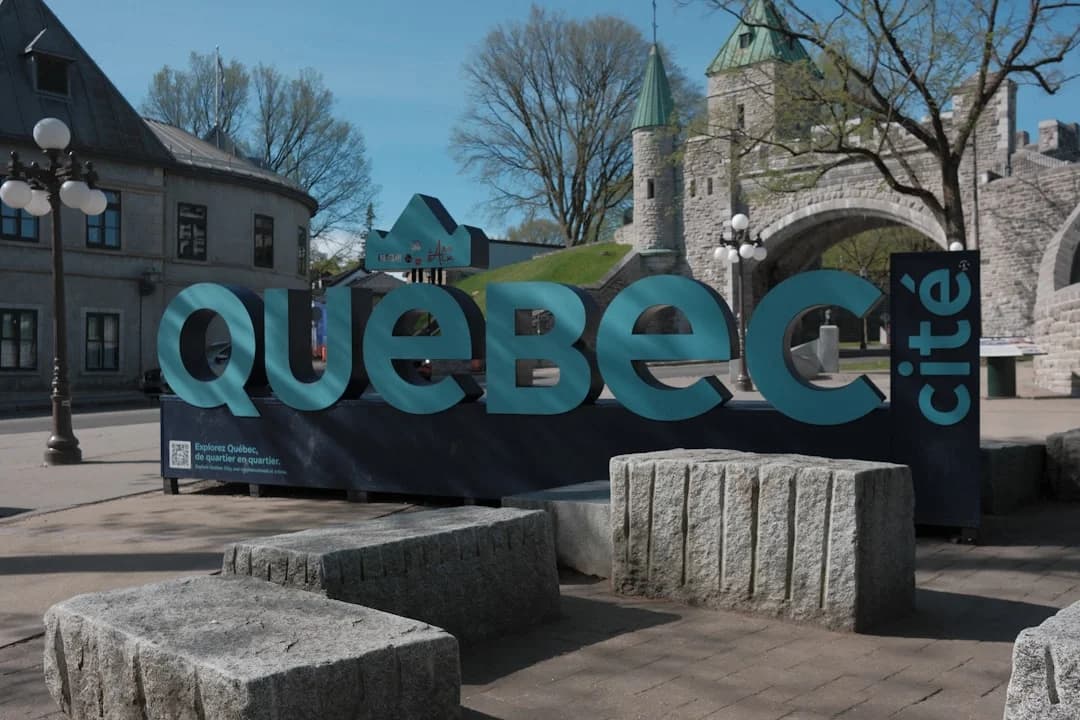
Photo by Surinder Singh on Unsplash
The Montréal Times is reporting on a landmark policy update that could reshape who arrives in Quebec and how quickly they integrate. On November 6, 2025, the Government of Quebec tabled pluriannual orientations on immigration for 2026–2029 and the official Québec Immigration Plan for 2026. The announcements, delivered to the National Assembly by the Minister of Immigration, Francisation and Integration, set out ambitious but measured targets designed to align immigration with Quebec’s capacity to receive and integrate newcomers in French, with a pronounced emphasis on regional vitality. This is a pivotal moment for policymakers, employers, prospective immigrants, and communities across the province, as the plan signals a tightening of both permanent and temporary intake channels while foregrounding language and regional growth. (quebec.ca)
In brief, the plan seeks to permanently admit about 45,000 immigrants per year, a figure that encompasses economic newcomers, family reunification, refugees, and other categories. It also establishes concrete caps for temporary arrivals entering two programs that require Quebec’s consent: the Temporary Foreign Worker Program and the International Student Program. For 2026, the plan envisions 84,900 to 124,200 temporary admissions, with a maximum of 65,000 temporary foreign workers and up to 110,000 international students by 2029. The package includes a major shift away from several longstanding streams toward a more centralized, Quebec-controlled selection process. (quebec.ca)
The government’s package also includes one of its most consequential policy moves in years: ending the popular Québec Experience Program (PEQ) on November 19, 2025, and transitioning permanent immigration toward the new Programme de sélection des travailleurs qualifiés (PSTQ) as the sole route for permanent skilled workers. The four permanent immigration pilot programs (in food processing, orderlies, and AI/IT/visual effects) are scheduled to end on January 1, 2026. In practical terms, this changes who can be admitted, how they are selected, and how quickly they can qualify for permanent residence. The government frames these changes as a means to better match immigration with workforce needs, French-language integration, and regional development. (quebec.ca)
In addition to these structural changes, the plan emphasizes a proactive stance toward reducing the province’s temporary and permanent non-permanent population. The government is seeking to reduce non-permanent residents and to rebalance admissions in favor of individuals already present in Quebec, especially in regional contexts, while maintaining a robust share of francophone newcomers. This alignment extends to a direct request to the federal government for tighter controls on admissions and a redistribution of non-permanent residents away from major centers toward regional communities. The aim is to curb pressure on housing, health services, education, and public integration supports, all while preserving the French language as a central pillar of society. (quebec.ca)
Section 1: What Happened
Announcement details and deposit
- The plan and orientations were publicly tabled on November 6, 2025, with formal deposition to the National Assembly. The ministerial release framed the plan as a four-year planning exercise designed to recalibrate the volume and composition of immigration in line with Quebec’s capacity to receive and integrate newcomers in French. The English release highlighted the overarching objective of temporarily and permanently managing the volume in a way that supports regional vitality and the linguistic project of the province. The plan’s presentation and accompanying materials were published in the fall of 2025, with updates and legislative notes available to the public. (quebec.ca)
Key numbers and program changes
- Permanent admissions: The plan targets roughly 45,000 permanent residents admitted each year, a cap that is designed to align with the province’s capacity to deliver services and ensure successful integration. The 45,000 figure appears consistently across official materials, including press releases and the plan document. The breakdown allocates the majority to economic immigration, with family reunification and refugees following. The plan sets the permanent-admission targets in the context of a broader strategy to reduce non-permanent residents over the 2026–2029 horizon. (quebec.ca)
- Economic, family, refugee, and other permanent admissions: The plan details explicit targets for 2026, including approximately 28,800 economic admissions, 10,000 from family reunification, 5,750 refugees and those in similar situations, and 450 from other immigrant categories. These figures are presented in the plan’s formal “Faits saillants” section and reflect the province’s prioritization of francophone integration and regional distribution. (quebec.ca)
- Temporary admissions: The plan envisions 84,900 to 124,200 temporary admissions in 2026 for two programs under Quebec’s consent: the Temporary Foreign Worker Program and the International Student Program. Within that envelope, the plan sets a ceiling of up to 65,000 temporary foreign workers and up to 110,000 international students by 2029. This tiered approach is designed to stabilize temporary flows while preserving capacity for regional integration and language training. (quebec.ca)
- End of PEQ and other pilots: The government confirms the termination of the PEQ (Québec Experience Program) on November 19, 2025, with the permanent immigration pilots (for food processing, orderlies, and AI/IT/visual effects) ending on January 1, 2026. In practical terms, new applicants must navigate the PSTQ (Programme de sélection des travailleurs qualifiés) or other routes, with Arrima functioning as the platform for expressing interest. (quebec.ca)
- Regional and linguistic priorities: A core element of the plan is to favor permanent admissions of people already on the ground in Quebec, with a strong emphasis on regional settlement and French-language integration. The plan also sets a target to ensure that a substantial share of admissions are francophone and oriented toward regions beyond the Montreal metropolitan area. (quebec.ca)
Implementation details and legal framework
- The plan situates immigration within the shared jurisdiction of Quebec and Canada, under the Canada–Quebec immigration agreement. Quebec retains full responsibility for planning levels, selection, francisation, and integration for permanent immigrants, while Canada handles admission as residents. This legal framework underpins the plan’s emphasis on Quebec-controlled selection pipelines and the alignment of admissions with regional needs and language objectives. (cdn-contenu.quebec.ca)
- The plan also describes the regulatory and procedural changes that accompany the new PSTQ framework, including the use of Arrima as the portal to express interest and receive invitations to apply for permanent selection. The plan states a clear pivot away from PEQ as a general pathway and toward targeted, regionally responsive selection mechanisms that consider qualifications, francisation, and local labor market needs. (cdn-contenu.quebec.ca)
Timeline and next steps
- The plan’s deposit in early November 2025 initiates a four-year planning cycle (2026–2029) that will be refined annually as new data and labor-market conditions emerge. Implementation is expected to unfold through 2026 with the gradual phasing out of PEQ, the rollout of PSTQ, and the ongoing evolution of regional distribution strategies. The plan notes that the permanent targets and temporary program ceilings are designed to be revisited within the four-year horizon to ensure alignment with capacity and regional needs. (quebec.ca)
- A companion set of measures accompanies the plan, including adjustments to the LMIA process in Montreal and Laval, ongoing monitoring of the French-language requirements, and continued focus on the regionalization of admissions. While the government indicates a commitment to reducing non-permanent residents, it also points to the ongoing need for skilled labor across strategic sectors, underscoring the tension between immigration control and economic demand. (quebec.ca)
- The plan makes explicit that the federal government has a critical role in implementing and pacing these changes, given the national scope of immigration and the cross-jurisdictional dynamics of admissions. Quebec’s plan calls for federal alignment, especially in the context of temporary admissions and settlement pressures in Montreal and Laval. The Canada–Quebec accord and related processes remain central to how and when these targets are achieved. (cdn-contenu.quebec.ca)
Section 2: Why It Matters
Regional vitality and language priorities

- The plan frames regional vitality as a central objective. By design, admissions are steered toward regions where the government contends demand for skilled labor exists and where integration challenges can be absorbed with adequate services and language support. The emphasis on francisation—requiring strong French-language competencies and an increased share of francophone immigrants—reflects a long-standing priority in Quebec’s immigration policy. The plan sets a target that emphasizes knowledge of French and prioritizes in-region settlement as regions grow more self-sustaining. (quebec.ca)
- In practical terms, the plan contends that a higher prevalence of newcomers already present in Quebec will facilitate quicker integration into local labor markets and community life, particularly when combined with regional investment in language training and public services. The emphasis on region-first admissions, alongside a Francophone majority, is intended to preserve Quebec’s linguistic and cultural development while supporting demographic growth. (quebec.ca)
Economic and labor-market implications
- The plan’s emphasis on a stable permanent-admission level (around 45,000 annually) is designed to provide predictability for employers, educators, and local governments, while ensuring that the system can absorb new residents through language training, housing, and health-care capacities. The explicit ceilings on temporary immigration—65,000 TFWs and up to 110,000 international students by 2029—signal a recalibration of the province’s labor-force intake to match domestic training and regional needs. This is intended to balance short-term labor demand with longer-term integration outcomes. (quebec.ca)
- The PSTQ’s central role means the province will increasingly prioritize applicants who have studied or worked in Quebec, with Arrima used to manage this pipeline. The policy design aims to improve job-market relevance, reduce mismatch, and accelerate the path to permanent residence for those who have demonstrated commitment to the Quebec economy and its regions. The plan explicitly ties regional residency and French-language attainment to the likelihood of successful permanent admission. (cdn-contenu.quebec.ca)
Social services, housing, and public policy implications
- The plan’s stated objective to reduce the overall volume of non-permanent residents is tied to concerns about housing availability, healthcare capacity, education systems, and overall public service delivery. Quebec’s leadership argues that controlling temporary inflows will help relieve pressure in major urban centers, particularly Montreal and Laval, and will support more sustainable levels of public spending on services and language training. The measure also envisions better distribution of non-permanent residents across the province, which could have downstream effects on local tax bases, housing markets, and school populations. (quebec.ca)
Impacts on families, sponsorships, and social integration
- The plan includes a suspension of certain family sponsorship channels, including a temporary pause on some refugees abroad and related sponsorships, with an extension through December 31, 2029 for collective sponsorship programs. This reflects a broader objective to focus resources on those already in Quebec and on ensuring language and employment integration for new arrivals. For families already on the system or seeking to join relatives, the process remains in place under specific conditions, but new family-sponsorship streams face tighter constraints during the plan period. (quebec.ca)
- The decision to end PEQ and shift toward PSTQ is likely to alter the timeline for many prospective permanent residents, particularly international graduates and temporary workers who would have previously relied on PEQ pathways. The PSTQ, with its emphasis on regional ties and French-language proficiency, may require applicants to plan longer terms for language training and regional settlement, changes that will ripple through higher education institutions, employers, and community organizations. (quebec.ca)
Policy alignment with federal frameworks
- The plan’s reliance on the Canada–Québec framework means that many of Quebec’s aspirational targets will depend on federal policy and processing capacity. The official materials emphasize coordination with federal authorities for the admission stage, while Quebec retains control over the selection, francisation, and integration of permanent residents. This intergovernmental dynamic remains a critical factor in whether the plan’s 2026–2029 targets can be achieved on schedule. (cdn-contenu.quebec.ca)
What’s Next: The Road Ahead
Implementation milestones and near-term actions
- In 2026, the transition away from PEQ and the rollout of PSTQ will begin to shape which applicants are prioritized and how they are assessed. The plan outlines that a higher proportion of admissions will come from those already in Quebec, with a continued emphasis on education, training, and regional anchoring. Employers, universities, and language-training providers should prepare for adjustments in recruitment, admissions processes, and partnerships to support new arrivals in the region. (quebec.ca)
- The plan anticipates ongoing adjustments to the LMIA framework in Montréal and Laval, with certain temporary-immigration processing restrictions continuing through 2026. These changes aim to rebalance labor-market needs with the province’s capacity to absorb newcomers in a French-speaking environment. Stakeholders in the region should monitor the details of LMIA policies, settlement services, and language-support offerings as they evolve in the 2026–2029 window. (quebec.ca)
Federal-Provincial coordination and monitoring
- The plan includes explicit calls for federal action to manage non-permanent resident admissions, specifically referencing the need to reduce non-permanent residents overall and to address admissions in Montréal and Laval. The four-year planning cycle will involve regular monitoring of progress toward the 45,000 permanent-admission target and the temporary-admission ceilings, with quarterly and annual reporting to the National Assembly and to the public. The Canada–Québec pact remains a critical hinge on the plan’s ultimate success. (cdn-contenu.quebec.ca)
Additional context and broader trends
- The Québec plan aligns with a broader trend across Canadian provinces to recalibrate immigration levels in response to housing markets, service capacity, and labor-force demographics. The plan’s emphasis on regional growth and French-language integration reflects Quebec’s long-standing policy priorities, while the federation-wide context adds complexity to implementation. Observers note that the plan’s success will depend on effective collaboration with municipalities, educational institutions, and industry groups to ensure that the region’s capacity to support newcomers is aligned with the pace and quality of integration. (quebec.ca)
Section 3: What’s Next
Timeline, next steps, and watch points
- The immediate next steps involve the formal adoption of the plan by the National Assembly, followed by regulatory actions to implement PSTQ and the end-of-PEQ timelines. Stakeholders should watch for additional guidance on the PSTQ framework, Arrima procedures, and the regional distribution rules that will determine how approvals are allocated to different regions. The plan indicates that the numbers for 2026–2029 will be adjusted as data emerge, but the anchor targets provide a stable framework for planning across government, business, and higher education sectors. (cdn-contenu.quebec.ca)
- Over the four-year horizon, the plan anticipates annual or near-annual reviews of temporary-admission ceilings and permanent-admission targets, with adjustments to respond to macroeconomic conditions, demographic trends, and regional labor-market needs. Observers should anticipate updates to the plan as new data become available, potentially accompanied by policy amendments that further refine regional priorities, language requirements, and pathways to permanent residence. (quebec.ca)
What to watch for and how to stay informed
- The plan’s emphasis on regional growth and language acquisition will have broad implications for cities, schools, and local employers. Cities across Quebec may intensify their language-integration programs and workforce partnerships to prepare for higher in-region immigration flow. Universities and colleges may adjust international-student recruitment and co-op programs to align with the PSTQ’s emphasis on Quebec-specific experience and regional ties. Community organizations will play a vital role in delivering language training, housing support, and employment pathways that align with the plan’s objectives. (quebec.ca)
- In the months ahead, pay close attention to federal policy developments that influence Quebec’s ability to admit temporary workers and international students. The federal government’s approach to processing and to the overall number of non-permanent residents in Canada will directly impact whether Quebec can realize its planned trajectories. The national-level policies, in combination with Quebec’s plan, will shape the immigration experience for thousands of applicants over the next four years. (canada.ca)
Closing
As Quebec positions itself for the 2026–2029 horizon, the Québec Immigration Plan 2026-2029 lays out a clear, data-driven framework that balances growth, regional equity, and linguistic integration. The plan’s centerpiece—the steady annual admission of approximately 45,000 permanent residents—will require sustained coordination with the federal government, regional partners, and local communities to translate policy into tangible outcomes: more secure housing, accessible language training, and productive labor-market integration across Quebec’s diverse regions. For readers and stakeholders in Montréal, Laval, Quebec City, and beyond, the coming months will bring clarifications on procedures, timelines, and eligibility as the PSTQ takes shape and Arrima evolves to manage interest and admissions efficiently. Stay tuned to Montré al Times for in-depth coverage, expert perspectives, and regular updates as this plan unfolds across government briefings, parliamentary sessions, and regional forums. (quebec.ca)

To recap, the plan’s essential milestones for 2026 include:
- 45,000 permanent admissions annually (overall target). (quebec.ca)
- Temporary admissions of 84,900–124,200 in 2026, with a ceiling of 65,000 TFWs and up to 110,000 international students by 2029. (quebec.ca)
- End of PEQ on November 19, 2025, and transition to PSTQ for permanent skilled-worker admissions. (quebec.ca)
- Suspension adjustments for certain LMIA processes in Montréal and Laval through 2026, with language-proficiency requirements for certain PTET pathways. (quebec.ca)
- A regionalization framework that prioritizes in-province settlement, a francophone emphasis, and a gradual reduction of non-permanent residents to align with public-service capacity. (quebec.ca)