Québec Urban Biodiversity Initiatives Expand in Cities

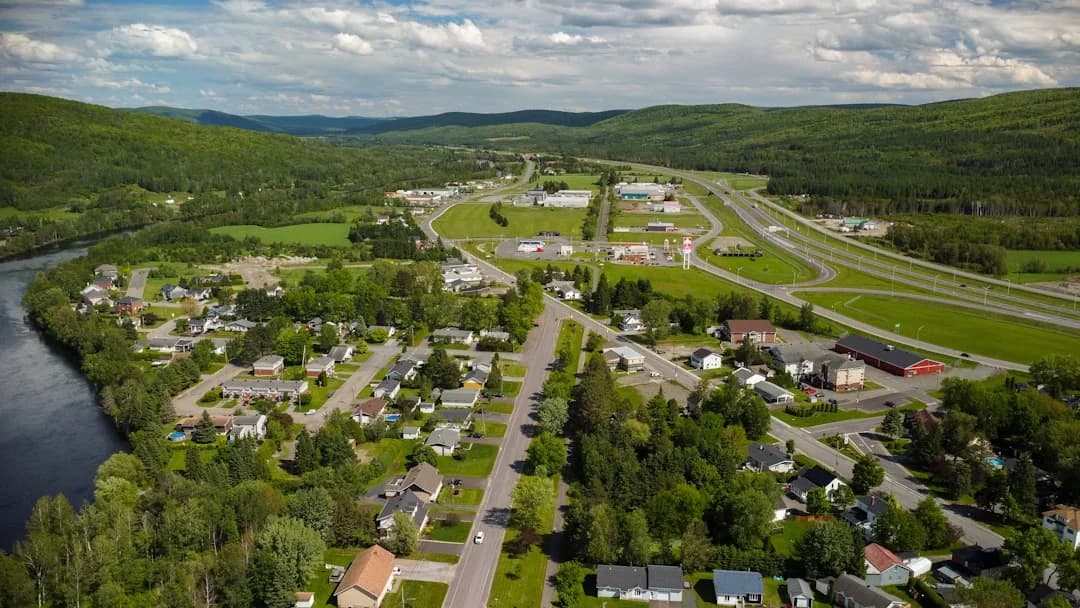
Photo by Katherine St-Pierre on Unsplash
Québec urban biodiversity initiatives are moving from planning documents into active programs across major cities, supported by province‑level policies that aim to conserve biodiversity, expand access to nature, and strengthen ecological connectivity in urban areas. On October 7, 2024, the Government of Québec unveiled Plan nature 2030, a sweeping framework funded at 922 million dollars to conserve nature, improve access to natural spaces, and mobilize participants from civil society to government and industry alike. This plan is complemented by a detailed action plan for 2024–2028, which lays out a concrete budget timetable and milestone targets designed to translate policy into measurable urban biodiversity outcomes. The government described the plan as a response to global biodiversity commitments and as a mechanism to align provincial efforts with municipal planning and urban design, including climate resilience objectives. (quebec.ca)
Across cities, implementation is already visible in both municipal strategies and coordinated programs. The Montreal area, for example, has elevated biodiversity and green space into its city planning through the Plan nature et sports, which envisions planting hundreds of thousands of trees and expanding a network of green corridors to connect parks and natural habitats introduced into the urban fabric. Montreal’s plan explicitly targets concrete urban biodiversity outcomes, including a major tree-planting target and new park projects that connect existing green spaces via green corridors and ecoterritories like the falaise area. Meanwhile, Québec City is pursuing a parallel trajectory with its own biodiversity strategy for 2025–2040, adopted to expand conservation targets and integrate nature more deeply into urban planning. Together, these efforts illustrate how Québec’s urban biodiversity initiatives are becoming embedded in local action, supported by provincial funding and policy frameworks. (montreal.ca)
Section 1: What Happened
Québec’s Plan Nature 2030: a provincewide pivot toward biodiversity in the urban era
In October 2024, the Government of Québec announced Plan nature 2030, a bold, provincewide framework designed to conserve biodiversity, restore degraded ecosystems, and improve access to nature for residents. The plan is anchored by a landmark investment of 922 million dollars and a commitment to bring biodiversity, green space, and access to nature into urban and rural planning alike. This investment is explicitly tied to international biodiversity targets, including the objective to conserve 30 percent of the territory, aligning Québec with global frameworks adopted at Kunming–Montréal and pursued through the United Nations’ biodiversity agenda. The announcement underscored a broad mandate: to conserve nature, restore ecosystems, mobilize citizens and organizations, and ensure equitable access to natural spaces. (quebec.ca)
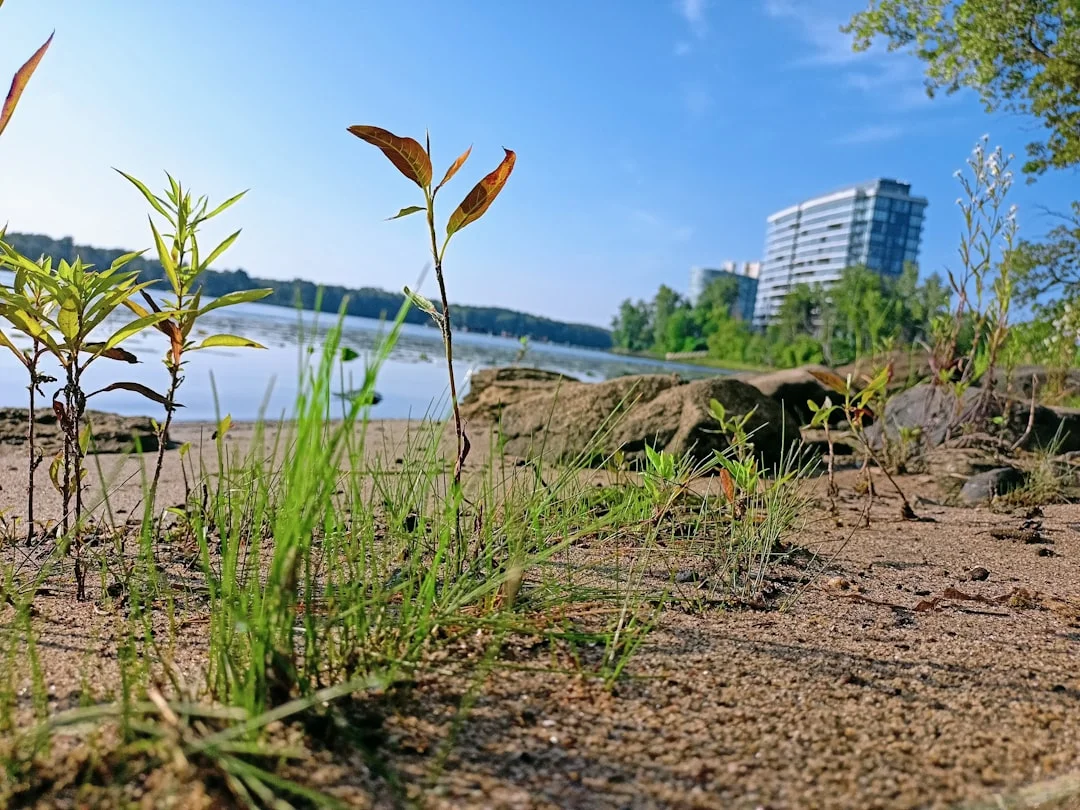
The Plan nature 2030 is structured around a long‑duration blueprint that links to a 2024–2028 action plan. The action plan translates the overarching objectives into concrete budgets and actions across three strategic axes: (1) Agir pour protéger et restaurer la biodiversité afin d’assurer la résilience des écosystèmes, (2) Encourager les pratiques durables qui favorisent la biodiversité et améliorer l’accès à la nature, and (3) Susciter et valoriser la participation de l’ensemble des parties prenantes aux efforts de conservation de la biodiversité. This triad guides a suite of concrete actions—from improving territorial decision tools and expanding nature-based solutions to promoting inclusive participation and education. The action plan also provides a detailed financial table for 2024–2028, including annual allocations and the total budget per axis. (cdn-contenu.quebec.ca)
In practical terms, Plan nature 2030’s financial architecture allocates 466.9 million dollars to the protection and restoration of biodiversity, 326.2 million dollars to promoting durable practices that support biodiversity and improve access to nature, and 95.7 million dollars to mobilization and engagement activities across sectors and regions. These numbers appear in the published action plan and reflect a phased funding approach intended to deliver measurable improvements in urban and peri-urban biodiversity, with an emphasis on ecological connectivity and ecosystem services in cities. The plan notes its role in supporting the broader climate resilience agenda and aligning provincial targets with municipal planning and development. (cdn-contenu.quebec.ca)
The same plan emphasizes data, monitoring, and governance as essential enablers of urban biodiversity outcomes. It includes mechanisms to develop decision-support tools for territorial planning, to promote nature‑based solutions, and to strengthen the governance interface among provincial ministries, municipalities, indigenous communities, and civil society. This approach is designed to help cities translate provincial biodiversity objectives into concrete urban form—whether through zoning adjustments, park expansions, or corridor development—while maintaining a rigorous accountability framework through the plan’s indicators and reporting cadence. (cdn-contenu.quebec.ca)
Montréal and Québec City: making biodiversity a practical urban priority
Montreal’s Plan nature et sports, originally adopted as part of the city’s larger climate and resilience strategy, places biodiversity and green spaces at the core of urban planning for 2030 and beyond. The plan outlines concrete projects, including a target to plant 500,000 trees by 2030, the development of major parks such as the Grand Parc de l’Ouest and the ecoterritory project along the falaise, and the completion of notable parks like the Parc Frédéric-Back. It also emphasizes linking large parks and natural habitats with a network of green corridors to improve connectivity for wildlife and to provide residents with enhanced access to nature. The framework ties directly into Montréal’s 2030 strategic planning, reinforcing the city’s commitment to green infrastructure as a climate adaptation strategy. These actions are documented as part of the city’s official Nature Plan and action steps. (montreal.ca)
Québec City has moved from strategy to formalized policy with the June 2025 adoption of its first Stratégie en faveur de la biodiversité, covering 2025–2040. The strategy sets a conservation target of increasing the share of natural spaces under conservation to 40 percent of the territory and calls for better integration of biodiversity considerations into urban planning and daily governance. It highlights the aim to connect natural spaces across the urban fabric and to ensure equitable access to nature for residents. The strategy also stresses five major objectives, including expanding conservation of natural spaces, maintaining ecological integrity, strengthening biodiversity in the city, cultivating citizen engagement with nature, and expanding knowledge about biodiversity through partnerships and public outreach. (ville.quebec.qc.ca)
In addition to these municipal strategies, Montreal has established targeted programs to protect pollinators—an essential ecosystem service for urban agriculture and biodiversity—through a 2022–2027 Pollinator Protection Plan that defines objectives, actions, and metrics to safeguard pollinators in urban spaces. The plan aligns with the city’s broader biodiversity goals and complements provincial biodiversity initiatives by focusing on urban habitat management, pesticide use, and educational outreach aimed at residents, schools, and local businesses. By coupling pollinator protection with green space expansion, Montreal is attempting to maintain resilient urban ecosystems that support both people and wildlife. (montreal.ca)
Québec’s provincial context also includes the Québec Biodiversity Monitoring Network, a collaborative initiative between the government and multiple partners to broaden knowledge about climate change impacts on ecosystems, flora, fauna, and habitats. The network supports ongoing data collection, monitoring, and reporting—critical for measuring progress against Plan nature 2030 targets and for informing adjustments to urban biodiversity policies as cities implement local projects and adapt to evolving conditions. (quebec.ca)
Section 2: Why It Matters
Urban biodiversity as a driver of resilience, health, and quality of life
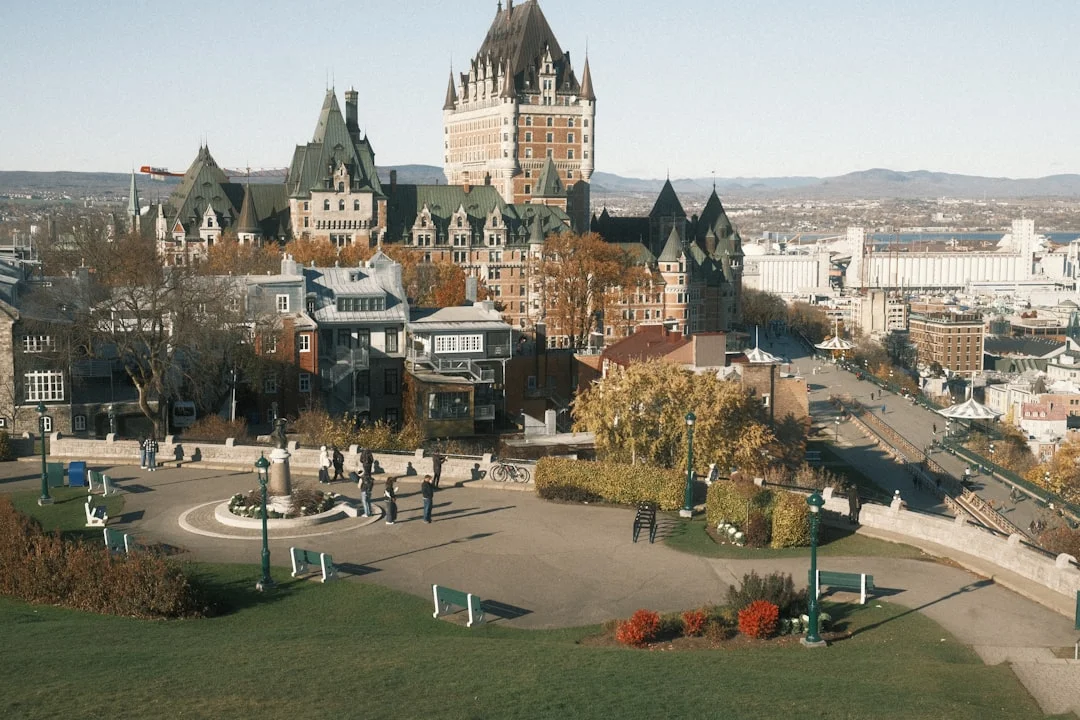
At the core of Québec’s urban biodiversity initiatives is a recognition that healthy ecosystems deliver tangible benefits to city dwellers. The Plan nature 2030 framework places preservation, restoration, and access to nature in a governance continuum that crosses provincial ministries, municipal authorities, Indigenous communities, and civil society. By focusing on ecological connectivity, nature-based solutions, and integrated land-use planning, the plan aims to bolster climate resilience—reducing heat island effects, supporting stormwater management, and protecting essential ecosystem services such as pollination, water purification, and air quality improvement. The plan’s Axis 1 action items explicitly call for decision-support tools to enhance conservation and connectivity, as well as the adoption of nature-based solutions that bolster resilience against climate change. This is not merely about protecting wildlife; it is about maintaining the ecological foundations that sustain urban life. (cdn-contenu.quebec.ca)
Access to nature is another central concern. Axis 2 emphasizes not only ecological sustainability but the equitable provision of nature experiences for all residents. The action plan highlights that providing meaningful access to nature—whether through urban parks, riverfronts, or blue spaces—contributes to physical and mental health, environmental literacy, and broader social equity. Cities that invest in green infrastructure often see improved air and water quality, enhanced recreational opportunities, and stronger community ties around stewardship activities. The plan acknowledges that urban biodiversity initiatives must be inclusive, ensuring that everyone in the urban fabric can benefit from nature, which in turn reinforces social stability and public trust in environmental governance. (cdn-contenu.quebec.ca)
Conservation and restoration are paired with a focus on protecting threatened species and preventing the introduction or spread of invasive organisms. The plan’s Axis 1 and Axis 3 components include explicit actions to protect species and strengthen the capacity of both government and civil society to manage biodiversity responsibly. The document outlines targets related to restoring degraded ecosystems and to strengthening ecological connectivity, which is essential for urban wildlife movement and long-term resilience of city ecosystems. These provisions reflect a broader understanding that urban biodiversity is not a fringe initiative but a core component of urban planning and climate strategy. (cdn-contenu.quebec.ca)
Montreal’s and Québec City’s municipal strategies illustrate how urban biodiversity initiatives translate into concrete, place-based actions. For example, the Montreal pollinator plan, the Grand Parc de l’Ouest project, and the ecoterritory concept along the falaise demonstrate how biodiversity objectives drive park creation, habitat restoration, and green corridor connectivity in a dense urban context. Québec City’s biodiversity strategy foregrounds a near‑term conservation target and a longer horizon to expand natural cover, highlighting the critical role of municipal leadership in executing provincial biodiversity policy on the ground. These municipal actions are essential for delivering the localized benefits that residents experience daily, from cooler streets to more resilient neighborhood ecosystems that can support pollinators and wildlife amid urban development. (montreal.ca)
The broader context: aligning provincial policy with local realities
Québec’s Plan nature 2030 is not a standalone blueprint; it is deliberately designed to interface with municipal planning and regional realities. The action plan’s financial tables demonstrate a deliberate cadence: significant funding in the early years to seed conservation and restoration work, followed by continued investment to consolidate gains and expand access to nature. The plan calls for the development of decision-support tools to help jurisdictions tailor conservation priorities to their landscapes, including urban cores where land use and development pressures are most intense. The governance approach also emphasizes co-creation with Indigenous communities and civil society, reflecting a commitment to inclusive, participatory planning that respects local knowledge and stewardship. In practice, this means cities like Montréal and Québec City can adapt provincial goals to their unique geographies, climate conditions, and community needs while preserving a cohesive provincial biodiversity agenda. (cdn-contenu.quebec.ca)
The role of data, monitoring, and accountability
A recurring theme across Québec’s biodiversity initiatives is the centrality of data and monitoring. The Québec Biodiversity Monitoring Network represents a concrete mechanism for gathering, analyzing, and sharing information about biodiversity status and trends. This network supports evidence-based decision making, helping policymakers and municipal leaders understand where to target restoration efforts, how urban development affects ecological corridors, and whether implemented actions yield measurable ecological and social benefits. For readers and stakeholders, monitoring data provides transparency about progress toward the Plan nature 2030 targets and offers an objective basis for course corrections or new investments. (quebec.ca)
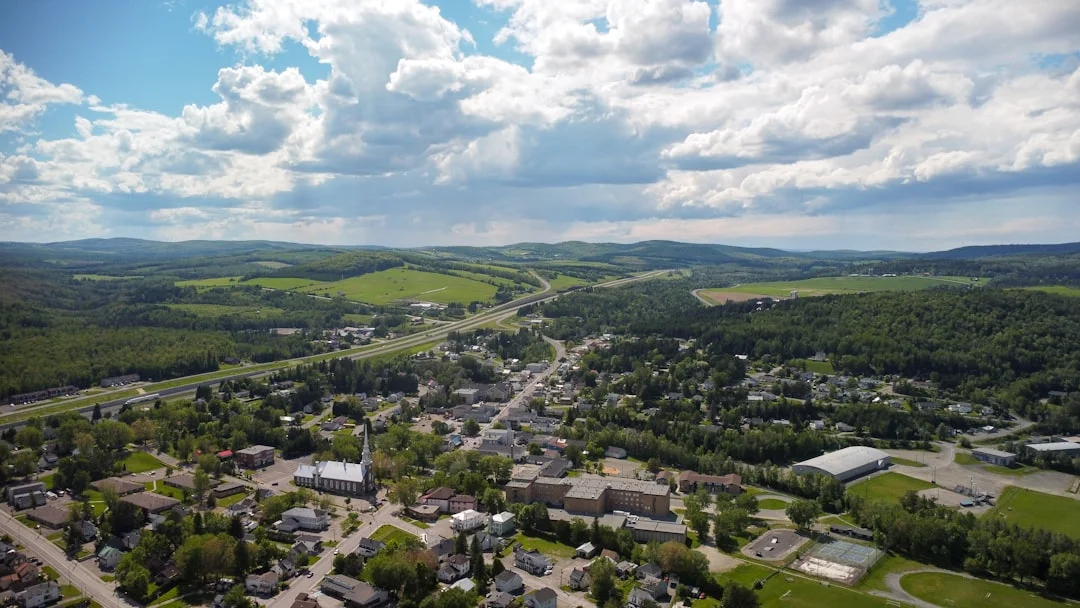
Montreal’s and Québec City’s strategies similarly emphasize metrics and accountability. Montreal’s green space targets, tree-planting milestones, and corridor-building plans are coupled with timelines and progress indicators, enabling residents to track how policy translates into real changes in the urban landscape. Québec City’s 2025–2040 biodiversity strategy likewise sets anticipated conservation levels and planning engagements, which are intended to be measured and adjusted as needed. Collectively, these elements help ensure that Québec urban biodiversity initiatives remain data-driven, outcome-focused, and transparent to the public. (montreal.ca)
Section 3: What’s Next
Implementation milestones and upcoming milestones to watch
The immediate horizon for Québec’s urban biodiversity initiatives centers on the 2024–2028 Plan Nature 2030 action window. During this period, the province is expected to advance a series of milestones tied to the three axes of action: protecting and restoring biodiversity, promoting sustainable practices, and mobilizing participation. The action plan outlines that 2024–2025 will see the rollout of decision-support tools and initial conservation actions, followed by scaling efforts in 2026–2028 that deepen corridor development, restoration campaigns, and public engagement activities. Financial allocations by year—466.9 million dollars for protection/restoration, 326.2 million dollars for sustainable practices, and 95.7 million dollars for mobilization—provide a framework for budget pacing and project sequencing. Observers should watch for annual progress reports and public updates that detail which ecosystems are being prioritized, which nature-based solutions are being deployed, and how citizen participation is being expanded. (cdn-contenu.quebec.ca)
Municipal actions in Montréal and Québec City will operate on their own timelines, synchronized with provincial priorities but driven by local needs. In Montréal, the 2030 targets for planting 500,000 trees, expanding park networks, and connecting green spaces through corridors will require ongoing capital investment, coordination with boroughs, and community involvement. The city’s plan already articulates a multi‑year program to deliver these outcomes, including park projects and green corridor linking efforts that will be monitored for progress against the 2030 goals. (montreal.ca)
Québec City’s 2025–2040 biodiversity strategy, by contrast, points to a longer horizon with a foundational emphasis on conservation, ecological integrity, and access to nature. The city’s target to raise conservation coverage to 40 percent of its territory represents a significant expansion of urban natural space, and it will likely involve renewed zoning considerations, habitat restoration efforts, and ongoing citizen engagement campaigns. As with Montréal, the strategy’s success will depend on consistent funding, interdepartmental collaboration, and effective measurement of outcomes. (ville.quebec.qc.ca)
What to watch for: policy updates, funding cycles, and community engagement
Several key indicators will signal how Québec’s urban biodiversity initiatives evolve in the near term. First, updates from the Plan nature 2030 action plan—especially annual reporting on Axis 1 (protection/restoration) and Axis 2 (sustainable practices and access to nature)—will reveal which ecosystems are prioritized and how restoration targets are progressing. Second, Montreal’s and Québec City’s biodiversity and green‑infrastructure milestones will be important barometers of urban implementation, including new parks, park expansions, and corridor projects that improve wildlife connectivity and habitat availability in densely built environments. Third, continued expansion of the Québec Biodiversity Monitoring Network will provide ongoing data streams to track climate impacts, species distributions, and habitat status across urban and peri‑urban areas. (cdn-contenu.quebec.ca)
Additionally, provincial actions to support urban biodiversity through cross‑cutting initiatives—such as the Climate Plan, the Green Plan for Montreal, and other urban nature initiatives—will help to align municipal projects with broader climate and sustainability goals. These cross‑cutting efforts create opportunities for municipalities to leverage province‑level guidance and funding to accelerate local biodiversity outcomes, particularly in areas where development pressures are intensifying and where residents’ demand for nature within the city is rising. (portail-m4s.s3.montreal.ca)
What’s next for journalists and readers is continued reporting on how policy translates into concrete urban benefits. Expect updates on urban forest expansion, restoration of degraded ecosystems in urban cores, and the expansion of green corridors linking parks, waterways, and natural areas. There will also likely be further public engagement opportunities and citizen science initiatives designed to involve communities in biodiversity monitoring, habitat restoration, and environmental education. The provincial and municipal dashboards, annual progress reports, and NGO partnerships will be critical sources for timely, data‑driven coverage that remains faithful to the neutral, analytical stance of Montréal Times. (cdn-contenu.quebec.ca)
Closing
Québec’s urban biodiversity initiatives reflect a comprehensive strategy that spans provincial policy, municipal action, and community involvement. The Plan nature 2030 framework, with its substantial funding and structured action plan, provides a governance backbone for urban biodiversity, while Montréal and Québec City translate these objectives into tangible projects—from tree planting and new parks to biodiversity corridors and citizen engagement. The combined effect aims to create cities that are cooler, healthier, and more resilient, with greater access to nature for residents and more thriving habitats for urban wildlife. In the months ahead, readers can expect progress updates, new park announcements, and ongoing monitoring results that illuminate how the province’s ambitious biodiversity agenda is shaping the urban experience in Québec’s major cities. (quebec.ca)
As urban planners, researchers, and community members continue to participate in this evolution, staying informed through official progress reports, city press releases, and independent analyses will be essential. Québec urban biodiversity initiatives are not a single program but a mosaic of policy, funding, and on‑the‑ground projects designed to weave nature into the daily life of cities. For those who want to follow the latest developments, provincial biodiversity monitoring efforts, municipal biodiversity strategies, and ongoing public consultations will be the most reliable sources to watch, with regular briefings and public dashboards to provide up‑to‑date context on how urban nature is expanding its footprint in Québec. (cdn-contenu.quebec.ca)