Québec Winter Carnival 2026: Key Dates and Innovations

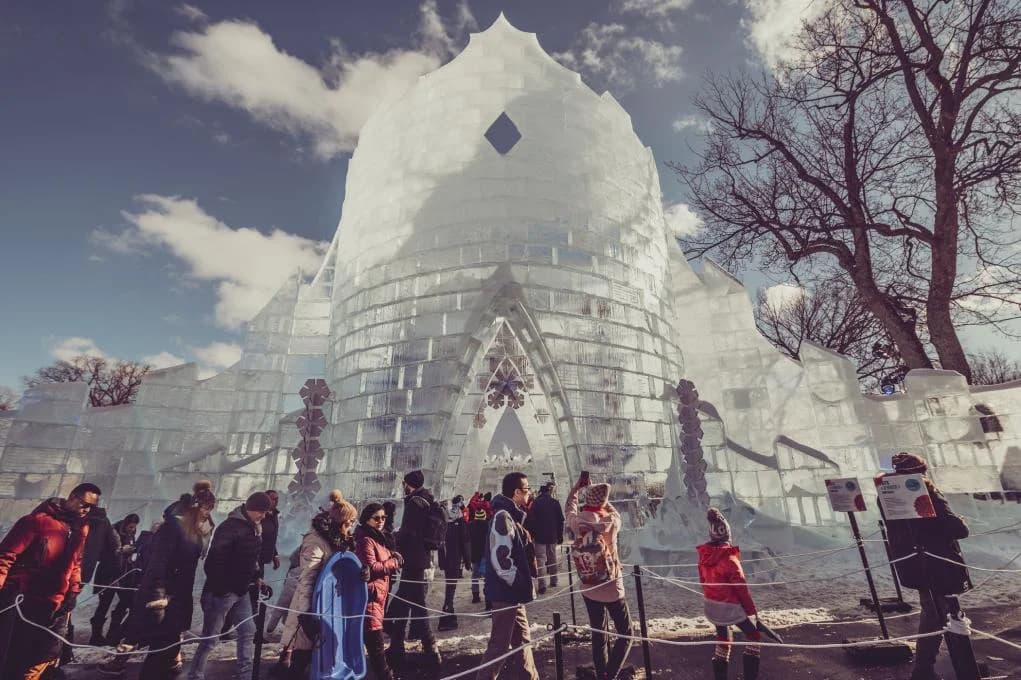
The Québec Winter Carnival 2026 marks the 72nd edition of the city’s premier winter festival, a hallmark event that turns Quebec City into a winter playground for ten days. Running from February 6 to February 15, 2026, the celebration brings together ice palaces, illuminated parades, and a wide array of family activities that showcase the region’s cultural traditions and engineering prowess. As the calendar turns to February, organizers are emphasizing not only the enduring appeal of Bonhomme Carnaval but also a refreshed lineup that blends time-honored rituals with new, technology-enabled experiences. The festival’s core sites will operate across Upper and Lower Town, with events concentrated in the historic heart of Quebec City and along Grande Allée, the Limoilou area, and other key venues. This year’s edition comes as part of a broader winter-tourism push in Quebec, with the carnival slated to attract visitors from across Canada and international travelers looking for a high-energy, family-friendly winter experience. The celebrations are designed to captivate locals and visitors alike while highlighting the region’s tourism infrastructure and event management capabilities. (carnaval.qc.ca)
From the outset, the organizers have framed Québec Winter Carnival 2026 as a milestone edition—not only because it marks the 72nd edition, but also because it broadens access to the full program through convenient mobility options and a more centralized site layout. The official carnival site confirms dates, site hours, and the multi-site approach that remains a centerpiece of the experience. Attendees can expect the familiar neon glow of the Ice Palace, the buzz of the Loto-Québec Zone, and the social energy of the nighttime parades, all complemented by new features designed to modernize the visitor journey without compromising the festival’s cultural soul. The schedule, as laid out by organizers, emphasizes a balance between iconic experiences and contemporary programming, signaling a thoughtful response to evolving audience expectations while preserving traditional elements that have defined the carnival for decades. (carnaval.qc.ca)
Opening with the news, the 2026 edition is rolling out a robust roster of activities across ten days, including high-profile attractions and accessible options for families. The program combines classic favorites—like Bonhomme’s Ice Palace and the Night Parades—with new programming designed to expand audience reach, emphasize safety, and improve site-to-site mobility. The event’s structure centers on multiple “sites” across Quebec City, ensuring that visitors can experience a concentrated set of activities while still exploring the broader urban fabric that makes the carnival a centerpiece of winter tourism. In parallel, the organizers have highlighted heightened accessibility, including adaptable shuttles and extended hours at several sites to accommodate late-night programming. The combination of open-air spectacle and indoor, climate-controlled experiences aims to sustain engagement even during chilliest winter evenings, aligning with a data-informed approach to scheduling and capacity planning. (programmation.carnaval.qc.ca)
Section 1: What Happened
72nd edition confirms dates and venues
The official window for Québec Winter Carnival 2026
The 72nd edition of the Quebec Winter Carnival is scheduled for February 6–15, 2026. This ten-day window is consistent with historical pacing, concentrating events across multiple sites in Quebec City and linking Upper Town with Lower Town for optimal visitor flow and accessibility. The official festival site and the accompanying Q&A confirm both the period and the multi-site layout, underscoring the city’s approach to distributed programming rather than concentrating activity in a single venue. In practice, this means longer operating hours and more opportunities for attendees to engage with demonstrations, performances, and interactive installations across the city. Fans and newcomers alike can anticipate a tightly choreographed calendar that preserves key rituals while enabling more flexible visit planning. (carnaval.qc.ca)
Core sites and major attractions across town
The carnival’s program centers on several core “sites” and marquee experiences. Bonhomme’s Ice Palace remains a landmark of the festival, and visitors can expect access to the Palace along with the Loto-Québec Zone, Snow Spacountry experiences, and installations that transform public spaces into winter theaters. The official program emphasizes ongoing access to these sites from February 6 through February 15, with specific opening hours that vary by day and by site. In addition, the festival features a prominent Night Parade cadence, with multiple parades scheduled across the ten days in different neighborhoods to maximize visibility and crowdsense. The schedule also highlights abseiling and other adrenaline attractions associated with the Château Frontenac, a signature moment that blends hotel architecture with public spectacle. Collectively, these elements reflect a multi-site strategy designed to spread activity and reduce bottlenecks while maintaining a high-energy festival atmosphere. (carnaval.qc.ca)
Ticketing, access, and the Effigy program
A cornerstone of visitor access remains the Effigy ticketing model, which provides entry to carnival sites and includes various coupons and keepsakes. Pre-sale details are time-bound, with a notable cutoff for the pre-order of the official Effigy set at January 11, 2026, after which price points and inclusions may shift. This mechanism plays a critical role in crowd planning, site capacity management, and revenue generation, aligning with best practices for large outdoor events in winter climates. The carnival’s ticketing ecosystem also supports a Full Carnival Pass option, which is sold with bundled benefits to streamline entry across sites. As always, visitors should verify current terms on the carnival site as plans and prices can adjust in the lead-up to opening weekend. (carnaval.qc.ca)
New and returning experiences shaping the 2026 lineup
A blend of tradition with tech-enabled thrills
Québec Winter Carnival 2026 expands the visitor experience by layering in exciting new attractions alongside the time-honored staples. The event’s program documents a slate of innovations that include enhanced vertical experiences, interactive installations, and nighttime programming designed to engage a broad audience—from families with young kids to young adults seeking social and cultural moments. Notable features highlighted by program materials include the abseiling descent from the famed Fairmont Le Château Frontenac, new performance lineups, and themed evenings designed to draw attendees to multiple venues across the city. The introduction of these features reflects a broader trend across major winter festivals toward immersive, photo-ready experiences that translate into social sharing and longer dwell times. (programmation.carnaval.qc.ca)
Community-curated nights and cultural programming
The carnival’s 2026 programming emphasizes variety in night-time offerings, including two main Night Parades—each with distinctive routes and local participation—along with additional music and dance events at festival-stage venues. The programming also signals collaborations with regional partners and cross-promotional activities to showcase Quebec’s winter culture, music, and culinary traditions. For visitors, this translates into a schedule that balances spectacle with cultural storytelling, offering both large-scale parades and intimate performances in smaller venues. The festival’s communications emphasize the role of these events in highlighting Quebec’s winter heritage to an international audience, reinforcing the city’s position as a premier winter tourism destination. (voilaquebec.com)
Mobility and access enhancements for 2026
Mobility remains a practical priority for large outdoor events, and Québec Winter Carnival 2026 places a particular emphasis on convenient travel between sites. The Vidéotron Shuttles—free and operating on a frequent schedule—provide reliable connections between upper-town and lower-town venues. The system is designed to serve festival-goers with varying mobility needs, offering regular service and a schedule that accommodates weekend and weekday patterns. This feature is part of a broader mobility plan intended to reduce congestion, improve attendee flow, and ensure a more comfortable guest experience during peak hours. (programmation.carnaval.qc.ca)
Food, beverages, and retail experiences
In addition to performances and parades, the carnival’s on-site experiences include experiences for food lovers, beverage tastings, and artisanal product showcases that highlight the region’s culinary traditions. The festival’s partnerships with local producers and sponsors help create a comprehensive guest experience, from maple-inspired snacks to seasonal beverages. While detailed menus and vendor rosters vary by site and day, the overarching strategy is to deliver a festival ecosystem that reflects Quebec’s culinary identity while offering accessible, family-friendly options. Event materials from the official site and tourism partners provide guidance on where to find these offerings throughout the city during the 2026 edition. (carnaval.qc.ca)
Section 2: Why It Matters
Economic and tourism implications for Quebec City
A major lever for winter tourism
Québec Winter Carnival has long been a cornerstone of winter tourism in Quebec City and the surrounding region. The festival’s scale, duration, and multi-site approach create a predictable annual bump in hotel occupancy, restaurant activity, and local services. While precise, up-to-the-minute attendance numbers for the 2026 edition are not publicly enumerated in every source, the festival’s status as the world’s largest winter carnival—an attribute often cited in tourism materials—helps anchor expectations for strong visitation, given the event’s history and brand recognition. The collaboration with regional tourism boards and the city’s hospitality sector is designed to convert seasonal visits into longer-term economic activity and create spillover effects into local retail and cultural institutions. (en.wikipedia.org)
Strategic alignment with city marketing goals
The festival aligns with Quebec City’s broader strategy to diversify winter experiences, extend shoulder-season activity, and position the city as a premier year-round destination. The 2026 edition emphasizes not only the iconic imagery of Bonhomme and the Ice Palace but also accessible, technology-enabled experiences that broaden appeal to younger audiences and international travelers. This strategy resonates with marketing communications from tourism bodies that highlight the city’s winter culture, the distinctive architecture of Old Quebec, and the accessibility of the event’s infrastructure—including shuttles and site hours. The coordinated messaging from the carnival and tourism authorities supports a cohesive brand narrative around winter vitality. (carnaval.qc.ca)
Technology and experience design in a major winter festival
Balancing tradition with innovation
Québec Winter Carnival 2026 demonstrates a deliberate effort to balance deep cultural symbolism with modern experience design. The abseiling activity from the Château Frontenac exemplifies a high-profile, photogenic attraction that leverages a historic landmark to create a dramatic visitor moment. Meanwhile, extended site hours, shuttle services, and enhanced site-to-site connectivity reflect an operational emphasis on safety, accessibility, and comfort for attendees. This approach mirrors a broader industry trend observed in large-scale winter festivals, where tech-enabled attractions and mobility planning are used to sustain interest across a long event window. The festival’s program materials and official communications provide a window into how organizers are integrating these elements into a cohesive guest journey. (programmation.carnaval.qc.ca)
Thematic programming and audience engagement
The inclusion of new features—such as specialized performances, themed evenings, and interactive experiences—serves to diversify the carnival’s appeal and broaden its demographic reach. Observers and tourism partners note that these additions can drive longer dwell times, more social-media engagement, and repeat visits over the course of the ten-day festival. In turn, this can translate into measurable benefits for local partners, including restaurants, museums, and cultural venues that align with carnival themes. While exact visitor-per-site metrics for 2026 are not publicly disclosed in every source, the pattern of multi-site engagement and event diversity is consistent with data-driven approaches used by other large-scale cultural events to maximize reach and economic impact. (carnaval.qc.ca)
Cultural significance and public sentiment
Bonhomme Carnaval as a unifying symbol
Bonhomme Carnaval remains the festival’s enduring emblem, symbolizing resilience in the face of winter and an invitation to community participation. Historical context emphasizes the mascot’s central role in festival identity, with Bonhomme’s Palace and related performances acting as focal points for both residents and visitors. The 2026 edition’s messaging continues to reinforce this cultural anchor while also spotlighting new experiences that appeal to a diverse audience. This balance helps ensure that the carnival remains relevant and inclusive, supporting a stable public sentiment around the event’s purpose and value to the city. (carnaval.qc.ca)
Accessibility, inclusivity, and best practices
Ensuring broad access across ages and abilities
The festival’s infrastructure is shaped by a priority on accessibility, with two Vidéotron Shuttles and mobility-focused planning designed to ease movement between sites. The schedule’s explicit hours and the open, outdoor nature of much of the programming require careful crowd management and safety protocols, which the organizers address through site-specific timings and capacity planning. By prioritizing accessibility and inclusive design, Québec Winter Carnival 2026 endeavors to welcome families, seniors, international visitors, and locals alike, reflecting a data-informed approach to audience needs and city logistics. While precise accessibility metrics are not disclosed in all sources, the published plans underscore a commitment to inclusivity and safe enjoyment for a broad audience. (programmation.carnaval.qc.ca)
Section 3: What’s Next
How to participate and plan your visit
Practical steps for attendees
If you’re planning to experience the Québec Winter Carnival 2026, start with the official carnival site to confirm dates, site hours, and location details. The FAQ clarifies the exact operating hours for carnival sites from February 6 to February 15, 2026, and notes special timings for Gougoune et doudoune areas, as well as exceptions on certain days. The program page highlights essential logistics, including the Vidéotron Shuttles’ schedule and routes, which facilitate movement between major sites and performance venues. For entry access, the Effigy pre-order window runs until January 11, 2026, and the Full Carnival Pass provides bundled access with supplemental perks. In short, proactive planning—booking an Effigy, mapping shuttle routes, and identifying day-by-day priorities—can significantly improve the festival experience. (carnaval.qc.ca)
Where to focus: main hubs and must-see moments
Key hubs include Bonhomme’s Ice Palace, the Loto-Québec Zone, and the illuminated Night Parades on Grande Allée and in Limoilou. The 2026 program also highlights new attractions at Snow Spacountry, a dedicated cultural and family-friendly zone, and abseiling experiences at the Château Frontenac for select days. For first-time visitors, prioritizing a walk through the historic core of Old Quebec, a stroll along Grande Allée for parade viewing, and a timed visit to Bonhomme’s Palace can provide a strong introduction to the festival’s signature moments. The festival’s official communications emphasize a balanced mix of grand spectacles and intimate experiences to accommodate varied interests and energy levels. (carnaval.qc.ca)
Timeline and milestones to watch for
Early January through February: pre-festival preparations and ticketing
As the January window closes, pre-order opportunities for the Effigy become a focal point for attendees seeking value and guaranteed access. The January 11 deadline for Effigy pre-orders creates a hard cut in the ticketing ecosystem that affects early planners and fan communities. In the lead-up to February 6, organizers typically finalize site staffing, security and safety protocols, partner activations, and route logistics for shuttle operations. The festival’s communications routinely refresh with new program updates and site-specific reminders as opening weekend approaches. (carnaval.qc.ca)
February 6–15: opening and peak days
The festival opens on February 6 with evening hours in Gougoune et doudoune areas and later, broader site access during daytime hours across venues. The Night Parades—on February 7 in Limoilou and February 14 on Grande Allée—signal the festival’s public-facing peaks, while ongoing performances, ice sculpture displays, and cultural demonstrations run throughout the ten-day window. The abseiling and other high-profile attractions often run across multiple days, with specific dates and times posted by organizers to help visitors plan around weather conditions and crowd patterns. Visitors should watch for last-minute schedule updates and potential weather-related changes, which are common for outdoor winter events. (carnaval.qc.ca)
February 15: closing insights and next-year planning
The festival officially closes on February 15, after which organizers typically publish end-of-event data, sponsor acknowledgments, and a retrospective that informs planning for the following edition. While the 2026 edition has its own distinctive features, the post-event period remains critical for evaluating visitor feedback, safety outcomes, economic impact, and opportunities for incremental improvements in 2027. Tour operators, hospitality partners, and cultural institutions often use the closing period to prepare for post-event engagement with attendees who want a deeper dive into Quebec’s winter offerings. (carnaval.qc.ca)
Closing
Québec Winter Carnival 2026—through its 72nd edition—remains a powerful convergence of tradition, technology, and tourism dynamics. With dates set for February 6–15, 2026, the festival offers a curated mix of iconic experiences and fresh attractions designed to engage a broader audience while maintaining the cultural heart of Quebec City. The multi-site approach, enhanced mobility options, and carefully sequenced activities underscore a data-driven mindset about crowd management, accessibility, and guest satisfaction. For readers and travelers, the event promises a deeply local yet globally appealing winter celebration, with opportunities to witness ice art, hear local performances, and participate in family-friendly activities in the city’s historic heart. To stay updated on the latest programs, schedule changes, and ticketing details, follow the official Carnaval de Québec channels and partner tourism pages. (carnaval.qc.ca)
Visiting Quebec City for the Québec Winter Carnival 2026 also offers a broader context for winter tourism in Canada, where large-scale festivals continue to shape regional branding and economic activity. The festival’s emphasis on accessibility, diverse programming, and a blend of traditional and contemporary experiences reflects a broader industry trend toward inclusive, data-informed event design. For researchers and market observers, the carnival provides a valuable case study in balancing long-standing cultural rituals with innovations that speak to new generations of festival-goers, urban mobility constraints, and climate-adaptive programming. (carnaval.qc.ca)
If you’re looking for a quick primer: Québec Winter Carnival 2026 runs February 6–15, 2026, across several sites in Quebec City, with the 72nd edition featuring Bonhomme Carnaval, an Ice Palace, two night parades, and new attractions including abseiling from the Château Frontenac and enhanced shuttle service. Tickets and the official Effigy program scale the entry experience, while tourism partners emphasize the event’s role in winter economic activity and regional branding. This coverage is intended to provide readers with the facts, context, and practical steps needed to plan a visit, evaluate impact, and track what’s next for one of Canada’s flagship winter festivals. (carnaval.qc.ca)