Québec Winter Carnival 2026 and sugar shack season

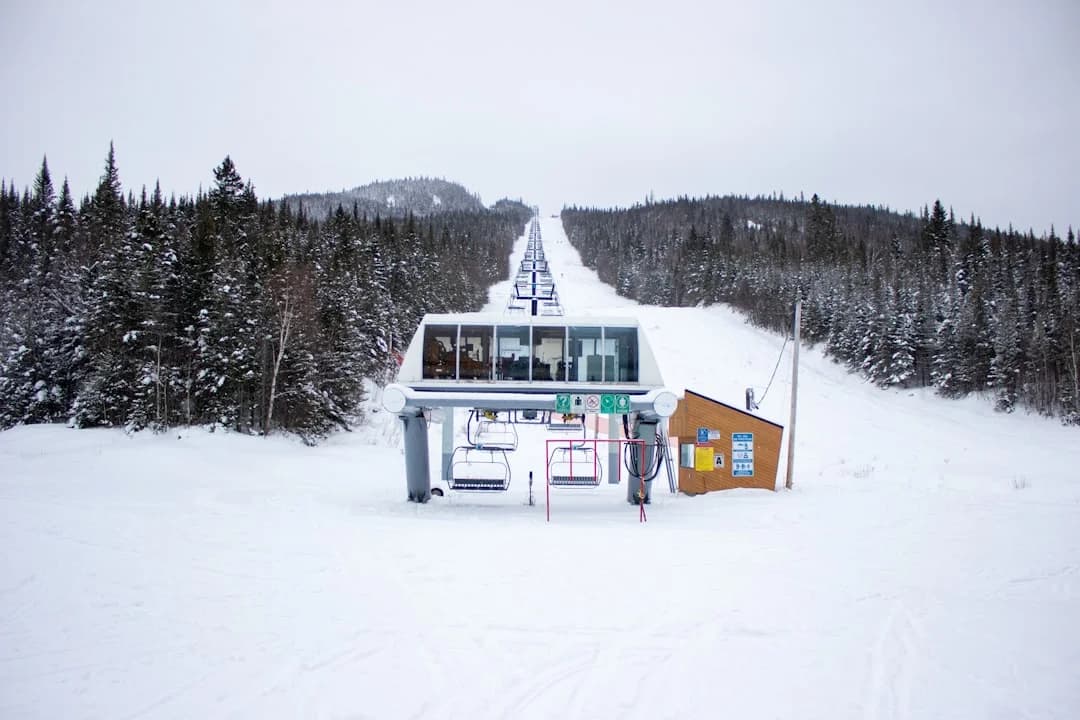
Photo by Louis Dupressoir on Unsplash
The Montréal Times reports a busy winter-in-winter update for readers: the Québec Winter Carnival 2026 is locked in for a 10-day run from February 6 to February 15 in Quebec City, marking the 72nd edition of the festival. This edition reaffirms Carnival’s status as a premier winter event in North America, drawing visitors from across Canada and beyond to a city transformed by ice, snow, and a schedule of family-friendly activations, cultural showcases, and headline parades. The organizers emphasize that the event spans multiple sites, including the Bonhomme Ice Palace, the sculpture garden, and flagship parades that help energize local commerce and broader winter tourism. The official program notes the Carnival as the world’s largest winter carnival, a claim reinforced by tourism partners and citywide event calendars. (quebec-cite.com)
Beyond the cold-weather spectacle, the province’s maple-season narrative continues to broaden. The sugar shack season, often peaking in late February through April, is ramping up with Tremblant-area offerings opening on February 14, 2026. In Mont-Tremblant, La Cabane à Tuque—the vegetarian, eco-conscious sugar shack—confirms a February 14 to April 27, 2026 operating window, with immersive, on-site maple-sap processing demonstrations and a maple-taffy-on-snow tasting that are central to the guest experience. Nearby D-Tour Tremblant likewise activates February 14, 2026, offering guided visits with transportation, a tasting-on-snow program, and optional snow activities, reflecting a broader shift toward accessible, family-friendly maple experiences near major gateway destinations. Urban sugar-season programs are also expanding, with Montreal’s Old Port and other urban hubs hosting seasonal maple activities during late February through March. (lacabaneatuque.com)
Opening with the news, the Québec Winter Carnival 2026 and the sugar shack season are converging as a coordinated winter tourism narrative for the province. Quebec City’s carnival window (February 6–15, 2026) is paired with a sugar-seeps calendar that includes Tremblant’s mid-February kickoff and urban maple experiences in Montréal, creating a 6–10 week period that researchers and planners are watching for its cumulative effect on accommodation occupancy, transit demand, and regional economic spillovers. The carnival’s official program underscores a decade-long tradition of outdoor winter celebration, while tourism bodies highlight the year’s maple-season offerings as complementary experiences designed to extend visitor stays and broaden regional spending. (quebec-cite.com)
Section 1: What Happened
Event window and key dates
The Québec Winter Carnival 2026 runs from February 6 to February 15, 2026, marking the 72nd edition of the festival. This ten-day window is the centerpiece of winter programming in Quebec City, featuring ice and snow sculptures, the Bonhomme Ice Palace, and two major night parades that anchor each weekend and weekday evenings within the festival calendar. The official event page confirms the February 6–15 schedule and highlights the carnival’s status as a marquee winter event in the region. (quebec-cite.com)
Transportation and site logistics are also key to the event’s delivery. RTC’s practical information for the Carnival notes a dedicated transportation ecosystem, including enhanced bus routing and park-and-ride options to help attendees access Grande Allée, the La Citadelle and other Carnival sites efficiently. For February 2026, RTC also announces enhanced service for the two parades on February 7 (Limoilou) and February 14 (Grande Allée), signaling a coordinated approach to managing peak crowds and ensuring reliable access for residents and visitors. (rtcquebec.ca)
Key programs and experiences
The Carnival program centers on a mix of immersive experiences and cultural showcases. Notable attractions include Bonhomme’s Ice Palace, the Scotiabank Sculpture Garden, and the Lumière or Lumiglace light-and-sculpture installations, with dozens of ice and snow sculptures distributed across carnival sites. The Night Parades—set for February 7 in Limoilou and February 14 on Grande Allée—remain a signature draw, with travel options including VIP seating and in-stands experiences. The official program outlines these flagship activities as core elements of the ten-day festival. (quebec-cite.com)

Economic and promotional details also emerged through partner organizations. For example, Quebec tourism channels emphasize Bonhomme’s central role and the festival’s broad appeal, including nightly shows at the Loto-Québec stage and family-oriented activities scattered across multiple carnival sites. This multi-site approach is designed to distribute visitor flow and support neighboring businesses, including hotels, restaurants, and retail. (quebec-cite.com)
Ticketing, pricing, and access
A practical concern for attendees is the ticketing and pricing structure around the Carnivals’ emblematic Effigy, which acts as a seasonal pass. The official Carnival site notes a presale price of $29 plus taxes for the 2026 Effigy through January 11, after which the price increases to $39 plus taxes. This pricing structure creates a clear incentive for early purchase and helps organizers forecast attendance and capacity planning for peak days. (carnaval.qc.ca)
In addition to the general program, the Carnival’s broader access plan includes route redirections and bus detours during parade days to accommodate crowds in both Limoilou and the Grande Allée areas. The RTC page explicitly lists enhanced routing on February 7 and February 14 to support the parades, a signal of strong coordination between festival organizers and city transit services. (rtcquebec.ca)
Sugar shack season kickoff details
The sugar shack season arrives in the same calendar period, offering a complementary set of experiences for winter travelers. In Tremblant country, La Cabane à Tuque—situated in Mont-Tremblant—opens February 14, 2026, and runs through April 27, 2026, featuring a 100% vegetarian menu and on-site maple-sap processing demonstrations. D-Tour Tremblant also opens February 14, 2026, delivering a guided sugar-shack visit with transportation, a snow-tasting program, and optional snowshoeing. These two Tremblant operators illustrate a deliberate, programmatic approach to extending the maple season in a major winter-resort corridor. (lacabaneatuque.com)

Montreal’s urban sugar-season program adds another layer to the landscape. The Old Port area hosts sugar-season activities in late February and March, offering opportunities for city dwellers and visitors to engage in maple experiences without leaving the urban core. This expansion of the sugar-shack experience into urban settings complements valley and resort-area offerings, broadening the province’s maple tourism footprint. (montrealtimes.ca)
Section 2: Why It Matters
Economic and tourism impact
The Québec Winter Carnival’s long-standing status as the world’s largest winter carnival, paired with a 10-day window in early February, represents a major anchor for winter tourism. The festival’s ability to attract visitors during traditionally slower months supports hotel occupancy, restaurant revenues, and local services across Quebec City and surrounding corridors. The carnival’s multi-site layout disperses economic benefits across neighborhoods and merchants, helping to counterbalance the seasonal concentration of visits on peak days. As the official site notes, the carnival is a marquee event with a wide array of activities designed to maximize engagement across age groups and interests. (carnaval.qc.ca)
The sugar shack season contributes to a longer value chain for maple products in the province. Operators in Mont-Tremblant and beyond emphasize the economic role of sugaring-off activities, not only as culinary experiences but as drivers of local employment, hospitality bookings, and regional culinary branding. The Tremblant sugar-shack openings on February 14, 2026, and the ongoing January–April maple calendar align with broader tourism patterns observed in Canada’s maple belt, reinforcing the link between winter sports, maple culture, and rural economic vitality. The Sugar Shacks’ ongoing presence in urban centers like Montréal’s Old Port further extends the economic footprint beyond rural gateways. (sucreriedelamontagne.com)
Cultural and logistical context
Québec’s sugar-shack culture is a defining element of the province’s winter identity, rooted in Indigenous and settler traditions and evolving toward contemporary, sustainable dining experiences. The Financial Times’ travel piece on sugar shacks frames sugaring-off as a late-winter/early-spring phenomenon that blends heritage with modern culinary trends, emphasizing maple production demonstrations and maple-infused cuisine as part of a broader cultural narrative. This context helps policymakers, operators, and readers understand why the sugar-shack season matters beyond isolated events. (ft.com)

From a transportation and urban-planning perspective, the Carnival’s routing changes and the sugar-shack network’s growth require coordinated planning among municipal authorities, transit agencies, and event organizers. The RTC’s explicit instructions about route diversions during Carnival days illustrate how large events necessitate dynamic scheduling to balance crowd management with daily commutes. The combination of a high-profile festival and a region-wide maple-season network underscores the need for cross-portfolio coordination among tourism, transportation, and economic development agencies. (rtcquebec.ca)
Stakeholder perspectives
Community groups, business owners, and tourism operators are positioned to benefit from a synchronized calendar. The Carnival’s ticketing structure and early-bird incentives may influence consumer behavior, shaping how families and groups allocate winter leisure budgets. At the same time, sugar-shack operators stress early bookings and group experiences to manage capacity and deliver consistent service quality during a peak travel window. As Tremblant operators note, offering transportation and pre-set meal options reduces friction for visitors coming from Montreal or other hubs. The combined cadence of Carnaval and sugaring-off experiences helps propel winter travel planning further into the shoulder season and fosters longer stays. (quebec-cite.com)
Section 3: What’s Next
Schedule updates to watch
Planners and travelers should watch for a few critical milestones in the immediate weeks ahead. The Carnival’s core calendar features two night parades on February 7 and February 14, with a broader slate of shows across the festival period. Early January is a common period for ticketing and pre-sale deals, including the Effigy, which carries a time-sensitive price point ($29 through January 11; $39 after January 12). Keeping an eye on official channels and transportation advisories will help visitors optimize their itineraries and avoid service disruptions during parade days. (quebec-cite.com)
For sugar shacks, the Tremblant ecosystem provides two anchor openings on February 14, followed by ongoing operations through late April (e.g., La Cabane à Tuque’s February 14–April 27 window). The Old Port’s urban-sugar programs offer additional opportunities, expanding to late February through March. Travelers planning a maple-focused itinerary should book early for peak weeks and consider combining a Tremblant stay with a Montreal urban stop to maximize maple-tasting experiences and accommodation deals. Operators’ pages explicitly call for early reservations due to demand peaks, a pattern consistent across Tremblant and urban sites. (lacabaneatuque.com)
How readers can plan now
- For Carnaval: book early to secure preferred viewing options and access to Bonhomme’s activities, and consider VIP experiences for the Night Parades on February 7 and February 14, which feature special seating and service packages. The presale pricing window for the 2026 Effigy provides a financial incentive to lock in plans soon. (quebec-cite.com)
- For sugar shacks: coordinate Tremblant-area visits with an eye toward February 14 openings and late-season options into April. La Cabane à Tuque and D-Tour Tremblant offer transport-inclusive tours and vegetarian menus that align with eco-conscious travel trends, while Montréal’s Old Port program presents a separate, urban sugar-season track. Booking early remains essential to secure times and group slots. (lacabaneatuque.com)
- For overall context: monitor weather patterns and transportation advisories, as cold-weather events and snow conditions can influence site accessibility, parade routes, and transit schedules during Carnival days. Transport agencies’ notices and real-time updates are the best source for last-mile planning. (rtcquebec.ca)
What’s next for the Québec Winter Carnival 2026 and sugar shack season is a convergence of cultural celebration, tourism economics, and logistical coordination. As the province leans into a data-informed approach to winter tourism, the 72nd Quebec Winter Carnival and the expanding sugar-shack network provide a case study in how a region can synchronize flagship events with seasonal experiences to sustain visitor interest, support local businesses, and extend the value of winter travel across multiple demand centers, from old-Québec’s cobblestone lanes to Tremblant’s snow-dusted peaks and Montreal’s urban maple-tasting circuit. The combined calendar will be a litmus test for how well public services and private operators can balance mass participation with high-quality guest experiences in a winter economy shaped by year-round access and climate resilience. (quebec-cite.com)
Closing As readers plan their winter getaways, the Québec Winter Carnival 2026 and sugar shack season stand out as a coordinated, data-informed opportunity to experience winter culture and maple traditions in tandem. The ten-day carnival program in Quebec City, coupled with Tremblant’s mid-February sugar-shack kickoff and Montréal’s urban maple path, suggests a unified travel window worth targeting for 2026. To stay updated, follow official Carnival and Tremblant operator channels, RTC advisories, and Destination Québec cité’s seasonal updates, which provide the most reliable, timely information for planning around the Carnaval and sugaring-off schedule. (quebec-cite.com)