Quebec Offers Rebate for First-time Homebuyers' Tax

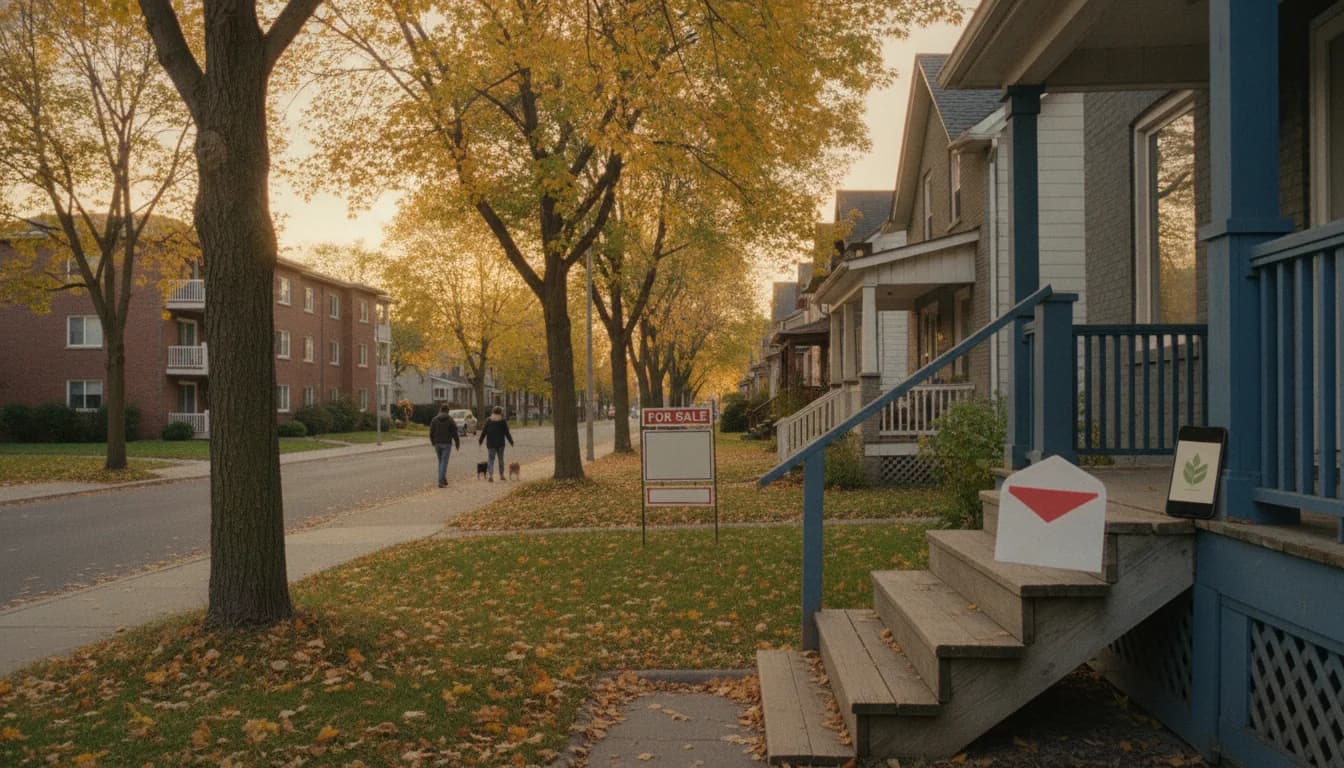
The Montréal Times is monitoring a major policy shift aimed at reducing upfront costs for new homeowners. A government announcement in April 2026 outlines a refundable tax credit designed to offset the land transfer tax, commonly known as the “taxe de bienvenue,” paid by the buyer at the point of sale. The policy targets first-time buyers and is structured to repay a portion of the tax over the life of the purchase, with a specific emphasis on affordability and access to homeownership in Quebec's changing housing market. For Quebec land transfer tax first-time homebuyers, this policy marks a potentially meaningful change in the economics of buying a home in 2026 and beyond. On April 17, 2026, the Government of Quebec announced a refundable tax credit for access to homeownership that could reimburse up to $5,875 of the land transfer tax for first-time buyers. This central fact comes from the government’s official release and subsequent explainer materials. Retroactive to January 1, 2026, the measure applies to eligible homes valued under $1 million and is projected to assist roughly 38,000 households annually. These details stem from the government’s press materials and technical explainer issued in April 2026. (quebec.ca)
In the broader context of housing affordability, the new credit arrives as Quebec calibrates its mix of federal and provincial supports to help first-time buyers confront rising prices, closing a portion of the gap between cash costs at closing and planned down payments. The policy is designed to run alongside other incentives, including the federal programs and existing non-refundable credits, to create a more supportive environment for those entering the market for the first time. The government’s explanation documents lay out the explicit mechanics and eligibility rules so buyers can assess whether their purchase qualifies and how the timing of a purchase could affect the reimbursement amount. (cdn-contenu.quebec.ca)
Opening
The administrative and policy basics behind the Quebec land transfer tax first-time homebuyers program are now clearer, but readers should understand both the headline benefit and the practical steps to claim it. The government’s announcement emphasizes that the credit is refundable, meaning eligible buyers can receive the credit even if they owe little or no provincial income tax in the year of purchase. The government’s communications note that the program is retroactive to January 1, 2026, and applies to properties valued under one million dollars, with the potential to ease the upfront burden for tens of thousands of households in Quebec each year. The policy is framed as part of a broader affordability push and is expected to complement other housing supports available to Quebec residents. (quebec.ca)
On the policy’s structure, the credit covers 100% of the first 5,000 dollars in land transfer tax paid, plus 25% of the amount above that up to a maximum of 875 dollars, for a total possible reimbursement of 5,875 dollars per eligible purchase. This design aims to target the most impactful tranche of the tax for typical mid-range purchases while preserving incentives for larger values. The government’s explainer confirms the exact mechanics and confirms the cumulative impact across eligible transactions. For the purpose of clarity in this article, readers should note that the full credit is contingent on the property’s value and the buyer’s personal tax situation, and that the credit can be accelerated to buyers in some municipalities as the repayment program rolls out. The measure is described as a significant step in reducing the “fardeau financier” (financial burden) of buying a first home, with the program expected to affect about 38,000 households annually. (cdn-contenu.quebec.ca)
What Happened
Announcement Details
- The government’s news release and supporting materials dated April 17, 2026, announced a new refundable tax credit intended to offset the land transfer tax paid by first-time homebuyers. The release identifies Premier Christine Fréchette and Finance Minister Eric Girard as the principal public faces of the policy rollout. The key objective is to widen access to homeownership amid sustained housing-cost pressures. The release also notes that the credit is retroactive to January 1, 2026 and applies to qualifying homes valued under $1 million. (quebec.ca)
- The policy is described as a refundable credit, with a total potential maximum credit of 5,875 dollars for eligible buyers who meet the criteria. The government frames the measure as a public affordability tool designed to mitigate the upfront hit of the tax when closing on a first home purchase. The official materials provide the calculation framework, eligibility rules, and example scenarios to illustrate how the credit would apply in practice. (cdn-contenu.quebec.ca)
Scope and Eligibility
- Eligible buyers must purchase a first principal residence in Quebec and meet residency requirements under the tax rules. The credit targets properties that fall below the $1 million value threshold, making the program most impactful for the majority of first-time buyers purchasing typical single-family homes and other common residential configurations. The documentation clearly outlines that the credit applies to the land transfer tax (droit de mutation immobilière) and not to other taxes. (cdn-contenu.quebec.ca)
- The credit’s structure is designed to maximize relief for buyers who would otherwise face higher upfront costs. Specifically, buyers receive 100% of the first $5,000 of land transfer tax paid, plus 25% of any excess tax up to a maximum of $875, for a combined possible total of $5,875. This design helps address the steep initial payment that accompanies many first purchases, particularly in markets where property values are rising. (cdn-contenu.quebec.ca)
- The policy’s rollout includes the potential for an early repayment (pre-funded reimbursement) beginning in autumn 2026, with the government indicating that eligible buyers could receive a portion of the credit in advance once the payment cycle is triggered by municipal tax processing timing. This staged implementation aims to smooth cash flow for buyers who close on a home later in the calendar year. (cdn-contenu.quebec.ca)
Financial Details and Timeline
- The explainer document outlines the annual fiscal impact and notes that the program is projected to cost the province more than 140 million dollars per year, reflecting the scale of anticipated uptake among first-time buyers. The computation demonstrates how the combination of provincial and federal incentives can create a meaningful cumulative effect on the affordability of ownership. (cdn-contenu.quebec.ca)
- Public communications emphasize that in the aggregate, the measure will reduce the purchase barrier for tens of thousands of households and thereby contribute to broader housing affordability objectives. The accompanying table in the explainer summarizes how the maximum credit interacts with typical land transfer tax amounts and offers concrete examples across different property values to illustrate the effect. (cdn-contenu.quebec.ca)
Official Sources and Primary Documents
- The government’s press release (April 17, 2026) and the formal explainer document (April 2026) establish the policy’s parameters and provide the primary facts needed to understand eligibility and calculation. These primary sources are essential for any subsequent reporting or analysis, and they are the basis for the figures cited in this article. (quebec.ca)
Cette mesure permettra d’alléger le fardeau financier d’environ 38 000 ménages annuellement. (This measure will ease the financial burden on approximately 38,000 households annually.) (quebec.ca)
Why It Matters
Impact on Buyers
- The refundable credit is designed to reduce the upfront cost barrier for first-time buyers, a group that faces the combined pressures of rising property values and higher closing costs. By eliminating a substantial portion of the land transfer tax in the first segment of a purchase, the policy can improve immediate affordability and help buyers reach down-payment targets more quickly. The explainer’s scenarios show the practical impact using representative price points, illustrating how the same credit can swing decisions about whether to bid on a given property. (cdn-contenu.quebec.ca)
- In a market where the land transfer tax is a non-negligible closing cost, this credit can also influence the perceived value of a property and the total cost of ownership for first-time buyers. While the credit does not address mortgage rates or down payment requirements directly, easing the tax burden at closing reduces the initial cash needed to complete a purchase, potentially supporting quicker entry into homeownership for eligible households. (cdn-contenu.quebec.ca)
Market Context and Public Finance
- From a market perspective, the policy could affect housing demand by reducing the upfront cost component for buyers, potentially influencing bidding dynamics in certain price bands. However, the government frames the program as targeted relief for first-time buyers rather than a general market stimulus. In reporting and analysis, it will be important to monitor whether uptake differs across municipalities, given the tax-rate variance that exists within the province’s varied localities. The explainer explicitly notes that the credit is designed to align with property values and tax structures across Quebec, including municipal variations in the tax rate. (cdn-contenu.quebec.ca)
- Public finance considerations center on the program’s fiscal footprint and its interaction with existing federal incentives. The government notes that the credit coexists with the federal and provincial non-refundable credits for first-time homebuyers and with other housing affordability tools, potentially creating a cumulative effect on affordability for eligible households. The official material provides a consolidated view of the total potential supports available to first-time buyers, which reporters can reference when discussing overall policy impact. (cdn-contenu.quebec.ca)
Comparative and Contextual Perspectives
- In broader Canadian policy discussions, several provinces have experimented with first-time buyer incentives, though the exact design and scope vary. While the Quebec program is distinct in its refundable nature and the retroactive application to 2026, readers may find it useful to compare such provincial innovations with federal programs and with programs in neighboring jurisdictions to contextualize potential impact. The federal GST/HST and provincial credits play a role in overall homeownership affordability, though they operate on different tax bases and with different eligibility criteria. For readers seeking cross-jurisdiction context, federal resources on first-time homebuyer incentives and provincial fiscal notes offer a complementary perspective. (canada.ca)
Mid-Body Quotable Judgment
This measure could meaningfully reduce upfront costs for tens of thousands of first-time buyers each year, changing the calculus of when and where to purchase in Quebec. (quebec.ca)
What's Next
Implementation Steps and Timelines
- The government’s documents lay out a phased implementation plan. Beginning with purchases after January 1, 2026, eligible buyers can expect the credit to be applied to land transfer taxes paid to municipalities. An accelerated repayment option is described to begin in autumn 2026, enabling eligible buyers to receive part of the credit in advance of the land transfer tax payment timeline. The technical explainer indicates that the administrative process will involve coordination between municipal tax collectors and provincial administration to facilitate timely reimbursements. Buyers should prepare to provide documentation proving eligibility and the timing of the purchase to maximize the likelihood of timely repayment. (cdn-contenu.quebec.ca)
- The explainer also includes a matrix of how the credit integrates with other housing-related tax incentives, providing a practical guide for homeowners who may be navigating multiple programs. This integrated view is particularly useful for reporters and policymakers assessing how multiple instruments interact to shape affordability outcomes. (cdn-contenu.quebec.ca)
Next Milestones and Watch Points
- As municipalities begin to process land transfer tax payments in 2026 and beyond, early adopters and pilot postings may provide early indicators of uptake and administrative friction points. Media coverage and municipal communications will be key sources for tracking real-world execution, including timelines for anticipated reimbursements and any changes in eligibility interpretation by municipalities. The government’s official materials emphasize that the program is designed to scale with demand and to be implemented in a way that minimizes bureaucratic delay for buyers. (cdn-contenu.quebec.ca)
- Analysts will watch for any amendments or adjustments to the credit in subsequent budget updates, especially given the program’s substantial projected annual cost and its retroactive start date. The government’s bulletins and budget publications for 2026 and 2027 may include refinements or clarifications to eligibility criteria, caps, and administrative procedures as the program matures. Journalists should review these documents to report promptly on any policy changes. (quebec.ca)
What to Watch For in the Real World
- Buyer experiences and municipal processing times will reveal whether the anticipated administrative efficiency translates into faster reimbursements for first-time buyers. Real-world reimbursements will be a useful indicator of the policy’s effectiveness at reducing the effective closing cost for typical first-time purchases. Observers will also monitor how the market’s price dynamics respond to the presence of this incentive, especially in price bands where the land transfer tax constitutes a larger proportion of total closing costs. (cdn-contenu.quebec.ca)
Closing
The Quebec land transfer tax first-time homebuyers program represents a notable alignment of provincial policy with the needs of households entering the market in 2026. By providing a refundable credit up to 5,875 dollars, the government signals a clear priority on accessibility and affordability for first-time purchasers. The retroactive start date to January 1, 2026, and the target of homes under one million dollars set precise boundaries that readers can use to assess whether they qualify. Reporters will continue to track the policy’s implementation and its real-world effects on buyer behavior, municipal tax administration, and overall housing affordability in Quebec. For now, the government’s official materials provide a detailed map of eligibility, calculation, and timelines, serving as essential reference points for readers, homebuyers, and industry stakeholders alike. As the policy unfolds, Montréal Times will continue to provide data-driven coverage, balancing the potential benefits against the administrative realities and market conditions.
If you’re considering a first purchase in Quebec, staying informed about this refundable credit is essential. Check the government’s current guidance on eligibility and timing, consult the official explainer, and coordinate with your real estate professional to understand how the credit could affect your closing costs and cash flow. The policy is designed to complement existing supports and to help first-time buyers move from planning to ownership with less financial strain. Stay tuned for updates as municipalities implement the process and as the program’s fiscal and market effects become clearer through 2026 and into 2027.