Quebec new French curriculum delay 2027: Impacts and outlook

The Montréal Times is delivering a data-driven update on the Quebec new French curriculum delay 2027, a decision announced by the province’s education authorities in February 2026. The government said the rollout of Quebec’s updated French curriculum—intended for elementary and secondary students—will be postponed to September 2027, marking a one-year shift from the previously stated timeline. The move comes after sustained criticism from educators and unions that the original timetable was too aggressive and insufficiently aligned with teacher training needs. The embargoed plan and the subsequent delay are central to ongoing discussions about how quickly provinces can modernize language education while ensuring schools have the tools and staffing required to execute such a transition. This development matters for school boards, teachers, administrators, parents, and, most importantly, students who will be affected by changes in daily classroom practice, assessment, and curricular exposure. The official rationale centers on giving educators more time to analyze pilot results and prepare comprehensive professional development. This article will unpack what happened, why it matters, and what to expect next as the province moves toward a revised start date for the new curriculum. The phrase Quebec new French curriculum delay 2027 is not just a headline—it sums up a shift in policy timing that could reshape how language arts are taught in Quebec schools for years to come. (globalnews.ca)
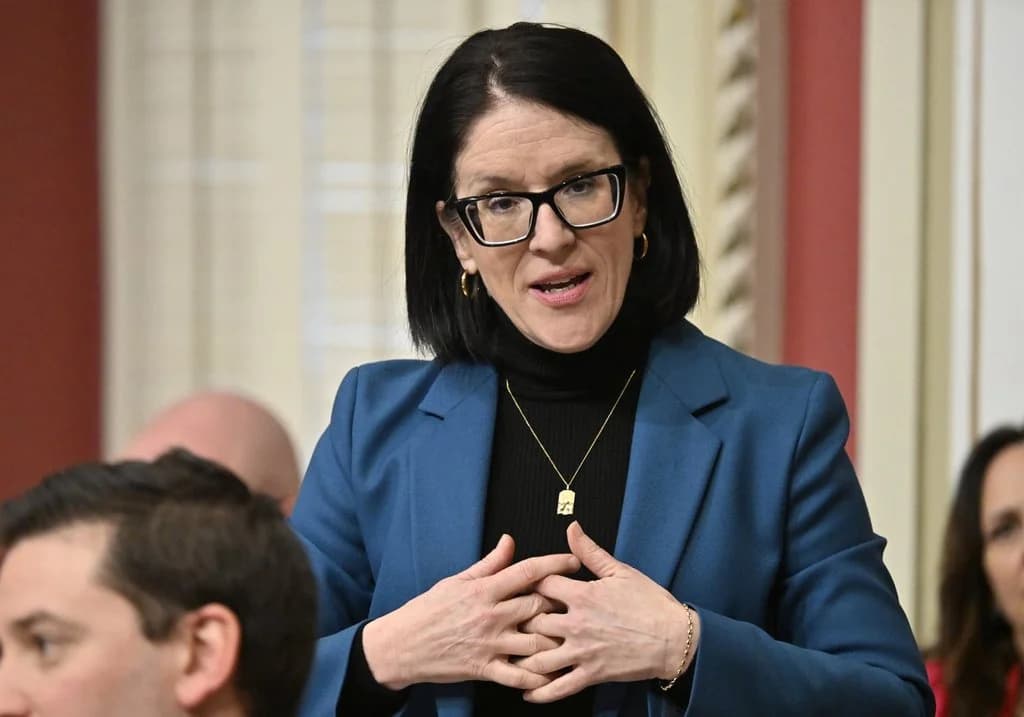
The department emphasized that the extra year is designed to accommodate deeper analysis of pilot results and to offer more robust staff training ahead of full implementation. Education Minister Sonia LeBel said the pause will help ensure that teachers have the time, tools, and confidence to bring the new approach to the classroom. “This extra year will give teachers the time they need to master the new curriculum before teaching it, analyze the available teaching materials and choose what is best for their students,” LeBel noted in the government’s news release. The timing matters because it reframes when classrooms will begin to adopt revised vocabulary requirements, cultural engagements, and new classroom practices that were highlighted in the pilot phase. (globalnews.ca)
Montreal Times coverage also considers the broader context: the new French program emphasizes daily reading and writing, a stronger focus on Quebec culture, and interactive activities such as debates and role-playing. It also features an updated vocabulary goal and cultural outings for students. The planned changes were introduced to modernize the curriculum after decades without a deep revision, but the rollout has faced pushback from some educators who say more preparation time is essential. The decision to delay is widely seen as an attempt to balance ambition with practical classroom realities. As coverage unfolds, the key question remains how the delay will affect school-year planning, teacher training schedules, and the availability of classroom resources as the province prepares for a multi-year transition. (globalnews.ca)
Section 1: What Happened
Timeline of announcements
-
August 29, 2025: The federal and provincial MEQ (ministère de l’Éducation) announced the provisional French program for the language of instruction in elementary and secondary levels. The plan established a pilot in roughly fifty classrooms during the 2025-2026 school year, with a full rollout initially targeted for the 2026-2027 school year. The objective was to refresh the curriculum, update vocabulary lists, and enhance emphasis on oral communication and Quebec literature. The plan also outlined that schools would continue teaching under the current program during the 2025-2026 year while pilots unfolded. This initial framing set the stage for subsequent discussions about feasibility and timing. (montreal.citynews.ca)
-
February 11, 2026: The government announced a one-year delay to the rollout, moving the mandatory implementation to September 2027 and scheduling the network-wide launch for the 2027-28 academic year. The government cited concerns about the speed of implementation and the need for more time to analyze results from the classroom pilots and to train staff adequately. The news release also noted that the 55 pilot projects conducted across the province would inform training and material development going forward. This shift drew reactions from teachers’ unions and other stakeholders, who argued that more preparation time would support a smoother transition. (globalnews.ca)
-
2026–27 and beyond: In parallel with the delay, provincial and local education communities began planning training and pilot data review for spring 2026 and onward, with a clear signal that the next major phase would occur in September 2027. Local school boards had begun aligning professional development calendars and resource procurement to the revised schedule, even as they continued to deliver instruction under the existing program in the interim. The provisional purview of the MEQ’s program, which had been piloted in a subset of classrooms the prior year, continued to inform adjustments to teaching materials and teacher supports that would accompany the full rollout. (communauteweb.cssdm.gouv.qc.ca)
Pilot program details
-
Pilot scale and scope: The initial rollout under the August 2025 plan sought to pilot the new French curriculum in around fifty classrooms across the province, exploring updated vocabulary, increased emphasis on oral proficiency, and enhanced engagement with Quebec literature. The pilot was designed to produce actionable feedback on teaching materials, assessment alignment, and classroom practices before statewide deployment. Some outlets reported as many as 55 classrooms involved in pilot projects, indicating a broad pilot footprint across multiple school networks. The exact numbers varied by reporting source, but the core point is clear: a sizable, province-wide pilot informed the decision to adjust timelines. (montreal.citynews.ca)
-
Content and pacing shifts: The program introduces a revised vocabulary list and mandates a more robust daily reading and writing routine, with an intentional focus on Quebec culture. This includes a capstone of cultural experiences and exposure to Quebec literature as core elements of the curriculum. The changes are threaded through by a shift toward more interactive pedagogy, including classroom debates and role-playing to cultivate language fluency in real-life contexts. In the public briefings, education officials stressed that the pilot results would drive decisions about resources, training intensity, and the pace of implementation. (globalnews.ca)
-
Key curricular shifts previewed in 2025: Among the announced changes were a more expansive vocabulary goal and a higher emphasis on oral expression, alongside mandatory cultural experiences. These design choices were intended to deepen engagement with Francophone Quebec culture and to modernize language instruction for a generation of students approaching bilingual or multilingual literacy in a digital era. The provisional plan for 2025-2026 emphasized continuity with current classroom practices while enabling a staged transition toward the new program. (communauteweb.cssdm.gouv.qc.ca)
Official statements and responses
-
Government framing: The Education Minister underscored that the extra time is intended to safeguard a thorough and effective transition, rather than a hurried rollout. The core claim is that more preparation will help teachers master new approaches and adapt instructional materials to their local contexts. This framing reflects a shift away from speed as the sole objective toward ensuring quality and consistency across districts. The public statement explicitly tied the delay to teacher training needs and to the necessity of analyzing pilot results with care. (globalnews.ca)
-
Union and sector reactions: Educators’ unions quickly weighed in after the February 2026 announcement, describing the initial timetable as rushed and pressing for a more gradual and supported implementation. The Federation of Autonomous Teachers (FAE) and related bodies argued for a staged rollout that could begin with voluntary participation in 2026 and transition to mandatory implementation in 2027. The concerns centered on training capacity, resource availability, and the risk of disrupted learning if the transition outpaced schools’ capacity to adapt. These responses reflect ongoing tension between policy ambitions and classroom realities, a dynamic that often shapes how provincial education reforms unfold in Canada. (montreal.citynews.ca)
Section 2: Why It Matters
Impact on students and teachers
-
Daily language engagement and cultural exposure: The revised curriculum design places greater emphasis on daily reading and writing, and requires students to participate in multiple cultural experiences per year. In practical terms, this suggests more in-class discussion, writing practice, and opportunities to explore Quebec’s literary and cultural landscape, all within a framework that aims to raise fluency and cultural literacy. The formal vocabulary targets and cultural expectations will shape what students read, discuss, and produce in language arts classrooms. The policy pivot to 2027 alters how students will experience French instruction across their school career. (globalnews.ca)
-
Teacher preparation and professional development: For teachers, the delay is a direct acknowledgment that meaningful implementation hinges on training and access to quality instructional materials. The government’s stance is that educators need time to master the new program before widespread teaching occurs, and to assess which teaching materials best match their students’ needs. This kind of preparation—often multi-year and location-specific—has historically proven crucial to successful reform in large, diverse school systems. It is also a reminder that professional development resources must be scaled up in tandem with curricular changes. The union responses amplify this point, stressing that without proper funding and training, even well-designed curricula risk uneven adoption and unequal outcomes. (globalnews.ca)
-
Equity and access considerations: When reforms rely on pilot testing and targeted training, districts differ in resources, class sizes, and access to instructional specialists. The move to delay suggests an awareness that some schools may need more support than others to implement the revised curriculum evenly. Stakeholders have argued that this is essential to avoid widening gaps in student achievement, particularly in schools with higher shares of English or multilingual learners who might require targeted language development supports. The public reporting around pilot results and training cadence will thus be critical for assessing how equitably the new curriculum is rolled out. (globalnews.ca)
-
Cultural and linguistic objectives: A central pillar of the new program is a strengthened focus on Quebec culture and francophone literature, intended to deepen students’ connection to language and place. Critics and supporters alike note that this emphasis reflects broader policy objectives around the vitality of the French language in Quebec and the value of local cultural content in education. How these cultural components translate into classroom practice—through texts, visits, and activities—will shape student experiences and, potentially, postsecondary and workforce outcomes. The policy signals around vocabulary and cultural exposure are concrete elements that readers should monitor as the timeline unfolds. (globalnews.ca)
Implications for schools and budgets
-
Training and resource planning: The unions’ calls for sustained investment highlight the reality that curricular reform is not primarily a curriculum change in a textbook sense but a complex system change. It requires professional development time, access to updated teaching materials, and a robust support network for schools implementing new assessment practices and classroom routines. The funding questions raised by educators reflect long-standing debates about how education budgets should adapt to reform, especially when reforms aim to overhaul day-to-day instruction, assessment, and student experiences. In the current context, the delay provides a window for more deliberate budgeting aligned with the revised timeline. (montreal.citynews.ca)
-
Materials and infrastructure readiness: Beyond training, the transition depends on the availability and alignment of teaching materials, digital resources, and extracurricular experiences that are integrated into the new curriculum. The pilot phase offers a data-rich environment to refine materials, but the province must ensure that all schools have access to appropriate resources, including professional development, library acquisitions, and partnership opportunities for cultural experiences. This alignment is essential to minimize friction during the rollout and to maximize the likelihood that the curriculum’s lofty aims translate into measurable learning gains. (globalnews.ca)
-
Policy consistency and provincial coordination: The delay also places a premium on coordination between the central MEQ and school-service centers (centres de services scolaires). When timelines shift, cross-jurisdictional communication, training calendars, and local adaptation plans must be updated and synchronized. The provisional program details published in 2025-2026 indicated a province-wide approach, but the actual implementation hinges on the readiness of school networks to adapt. Observers will be watching how MEQ and CSOs translate policy into practical steps on the ground as the 2027 rollout approaches. (communauteweb.cssdm.gouv.qc.ca)
-
Public communication and stakeholder trust: The government’s decision to delay is also a public-relations and governance move. It signals responsiveness to educator feedback and a commitment to a more transparent and consultative rollout. The effectiveness of this approach will depend on ongoing, clear communication about milestones, supports, and measurable indicators of progress in pilot results and training outcomes. As the province moves forward, expect continued scrutiny from teachers’ unions, parent groups, and education researchers who will want to see concrete data about classroom outcomes and equity impacts. (globalnews.ca)
Broader cultural and policy context
- Language policy and curricular modernization: The Quebec government’s broader language strategy in recent years has combined investments in language vitality with curricular updates across disciplines. The new French curriculum is part of a wider effort to modernize language instruction in a way that foregrounds culture, civics, and language use in authentic contexts. The delay may reflect a balancing act between ambitious policy goals and the practicalities of large-scale reform. As schools prepare for the 2027 start, observers will consider how this curriculum sits within a broader ecosystem of language policy, digital learning, and workforce readiness in Quebec. (globalnews.ca)
Section 3: What’s Next
Next milestones and dates
-
Spring 2026 to Summer 2026: Training ramp-up and material refinement. With the delay, the government plans to accelerate professional development for educators, leveraging a mix of in-person workshops, online modules, and instructional coaching. The aim is to ensure that by the fall 2027 start, teachers have had substantial opportunities to engage with the material, pilot feedback, and classroom-ready resources. The exact cadence of training and the allocation of resources will continue to be shaped by ongoing pilot results and district-level planning. (globalnews.ca)
-
Fall 2026 to Fall 2027: Pilot-informed adjustments and phased readiness checks. While the formal rollout is deferred to 2027, the province will likely continue to collect evidence from the pilot sites and refine implementation guides, assessment rubrics, and teaching materials. Districts will be expected to align their local professional development calendars with the revised timeline and to monitor readiness indicators that inform next steps toward full deployment. The provisional framework published in 2025-2026 suggests a strong emphasis on evaluation and adaptation as essential components of the rollout. (communauteweb.cssdm.gouv.qc.ca)
-
September 2027: Network-wide launch and the 2027-28 academic year. The government has signaled that the full implementation will begin at the start of the 2027-28 school year, in September 2027, across elementary and secondary schools. This marks the transition from pilot-based learning to province-wide adoption, requiring an expanded support network for teachers, schools, and administrators to ensure consistent practice and student outcomes. The public reporting confirms the 2027-28 start, aligning with the delay announcement. (globalnews.ca)
What to watch for in the coming months
-
Updated guidance and training schedules: Expect MEQ and CSOs to publish updated training calendars, coaching resources, and classroom-ready materials as the new timetable takes shape. These updates will be critical for districts to finalize budgets, staffing plans, and scheduling for the 2026-27 and 2027-28 school years. Monitoring these updates will give educators and parents a clearer view of the path to full implementation. (globalnews.ca)
-
Pilot data analysis releases: The province’s decision to delay centers around the need to analyze results from pilot projects. Look for public summaries or data dashboards showing pilot outcomes, teacher feedback, student engagement metrics, and early indicators of what is working or needs adjustment in classroom practice. Transparent sharing of pilot findings will be a barometer for progress toward the 2027 launch. (globalnews.ca)
-
Legislative and budgetary adjustments: As the timeline shifts, expect potential budget amendments or policy discussions to reflect the revised implementation window. Stakeholders will be listening for commitments to funding for teacher training, instructional materials, and cultural experiences that are integral to the new program. These fiscal decisions will influence how smoothly the transition progresses and whether districts can meet the curriculum’s ambitious cultural and linguistic goals. (montreal.citynews.ca)
Closing
Montreal Times will continue to monitor developments around the Quebec new French curriculum delay 2027 and will report on new data, training opportunities, and pilot results as they become available. The shift to a September 2027 network-wide rollout provides a measured window for schools to adapt, educators to build competency with the revised approach, and families to understand how the changes will affect daily learning. For readers seeking up-to-date details, the MEQ and regional education offices are the primary sources for official timelines and resources. In the meantime, stakeholders should prepare for a staged transition that prioritizes teacher readiness, material alignment, and authentic French language experiences that reinforce both linguistic proficiency and Quebec culture.
The province’s approach—balancing ambition with practical preparation—reflects a broader nationwide pattern in education reform: big changes demand robust supports, ongoing evaluation, and transparent communication. As the 2026–2027 period unfolds, and with the new timeline in place, the public will want to follow progress reports, independent evaluations, and stakeholder briefings to gauge the trajectory of the Quebec new French curriculum delay 2027 and its long-term impact on language education in Quebec classrooms. (globalnews.ca)
Check and validation