Quebec premier resignation January 2026 reshapes province

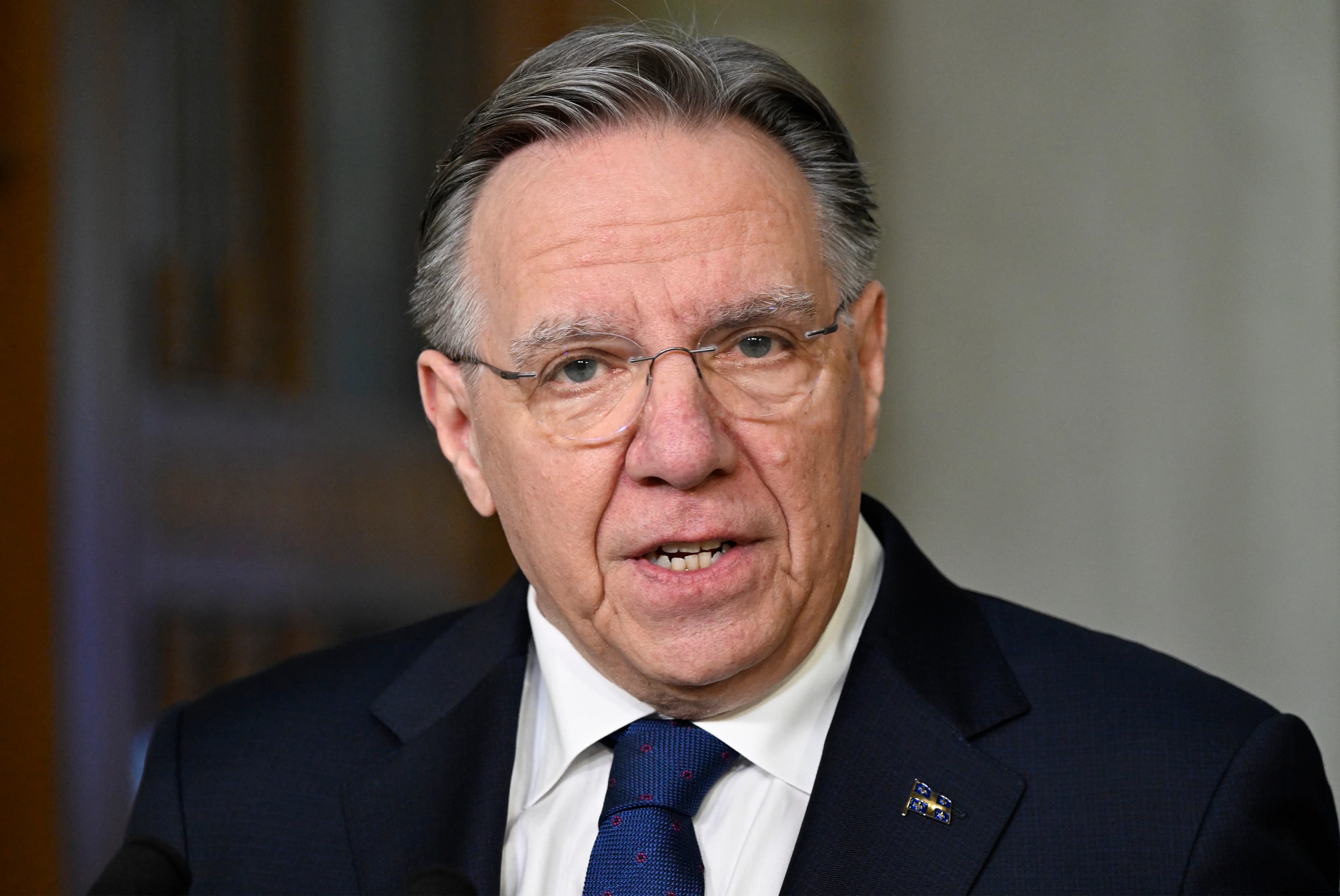
The news that Quebec’s premier, François Legault, will resign marks a watershed moment for the province as it faces a provincial election later this year. On January 14, 2026, Legault announced he will step down after more than seven years in office, citing a growing call among Quebecers for change and a desire to install new leadership ahead of the fall vote. He said he would remain in the role until the Coalition Avenir Québec (CAQ) party selects a new leader, a process that could unfold over the coming months. The resignation comes just months before what polls suggest could be a pivotal election, with sovereigntist forces and anti-establishment sentiments reshaping the political landscape in Quebec. This development is unfolding as the province’s tech, innovation, and market sectors wrestle with a series of policy questions and governance challenges that could be affected by a new leadership team and a potentially altered policy agenda. The announcement was covered by major outlets across the globe, underscoring its significance for provincial governance, market sentiment, and technology policy in Quebec. (reuters.com)
The timing of the resignation is particularly notable because it precedes a provincial election that could determine the province’s trajectory on key economic and tech policy fronts. In the immediate wake of Legault’s announcement, political analysts highlighted the CAQ’s need to quickly organize a leadership race to avoid minutes-long leadership vacuums that could unsettle investors and innovation partners. The CAQ has governed Quebec since 2018 and won re-election in 2022, but internal pressures, shifting public opinion, and a crowded opposition landscape have created a more volatile political environment as the campaign season approaches. The Liberal Party, once a stable governing force in Quebec, also faced leadership transitions earlier in 2025, further complicating the province’s political calculus ahead of the fall election. (reuters.com)
Section 1: What Happened
Announcement and Decision
-
On January 14, 2026, Quebec Premier François Legault publicly announced his resignation as premier and as leader of the CAQ, stating that he would stay on until a successor is chosen for the party. The move came at a hastily convened news conference in Quebec City, and Legault framed the decision as a response to a broad call for change among Quebecers. He underscored that the timing was guided by the best interests of his party and of Quebec as the province prepares for the upcoming election. “A lot of people in Quebec want change, and among other things, a change of prime minister,” Legault said, adding that he would remain in office until a new party leader is appointed. This moment is being watched closely by political observers and market participants alike as it introduces a leadership transition at a critical juncture. (reuters.com)
-
The coverage from major outlets emphasized the abruptness of the move and the leadership vacuum it creates ahead of the fall campaign. The Guardian summarized Legault’s remarks, noting the resignation as a surprise move that comes after a period of internal party strain and public backlash over several policy controversies. AP News also highlighted Legault’s assertion that his decision was about the long-term health of the CAQ and the province, and it noted that Legault would remain in place until the party appoints a new leader. The Washington Post echoed these themes, framing the resignation as a strategic departure with an election still several months away. (theguardian.com)
-
Reuters provided a concise, fact-based read on the moment, recording Legault’s comments and the next steps, including the formal process the CAQ would undertake to designate a new leader, and the practical reality that the next Quebec general election must be held by October 5, 2026. The Reuters article also captured the polling context at the time, which showed the Parti Québécois in a strong position relative to the CAQ and Liberal contenders, underscoring the strategic stakes of the leadership timeline. (reuters.com)
Timeline and Key Facts
- January 14, 2026: François Legault announces resignation as Premier of Quebec and as leader of the CAQ. He states he will remain in office until a new party leader is chosen. This is a defining moment for the CAQ, which Legault co-founded in 2011. (reuters.com)
- The CAQ leadership election: The party will need to organize a leadership race promptly to avoid extended vacancy at the top of the government. The Guardian and Reuters both indicate that the leadership contest could take months, with the party aiming to appoint a successor ahead of the fall campaign. While no official date for the leadership vote was announced at the time of the resignation, the process is expected to set the tone for the party’s policy priorities in the provincial race. (theguardian.com)
- October 2026 election window: The provincial general election is scheduled to occur in the fall, with the legal deadline for holding the election set by October 5, 2026. This creates a compressed political window for a new CAQ leader to establish the party’s platform, secure cohesion, and mount a campaign against a possibly reorganized opposition. (reuters.com)
- December 2025 context: The Quebec Liberal Party’s leadership had already undergone a transition with Pablo Rodriguez stepping down as leader in December 2025, which contributed to a broader leadership vacuum in Quebec politics heading into the 2026 campaign. This earlier leadership change is often referenced in analyses of the CAQ’s own decision to move quickly on a successor. (theguardian.com)
- Public policy and governance backdrop: Legault’s tenure has included a mix of high-profile policy initiatives, including health system reforms and digital governance projects that faced criticism and cost concerns. The resignation comes as these policy efforts intersect with the party’s broader political risks and the upcoming election. The debate surrounding digital licensing reforms and related governance questions has been a recurring theme in provincial politics, and observers are watching how a new CAQ leader might recalibrate the policy agenda. (theguardian.com)
Section 2: Why It Matters
Impact on CAQ and Quebec Politics
- The immediate political consequence of Legault’s resignation is the creation of a leadership vacuum within the CAQ. The party must quickly select a new leader who can articulate a coherent platform, unite factions within the caucus, and preserve electoral viability in a province where polling has shown fluctuations in support for the CAQ and growing strength for the Parti Québécois. Reuters notes that the PQ was leading in polls at the time, which underscores the high-stakes nature of the leadership race for the CAQ as it seeks to defend seats and maintain governing legitimacy ahead of the election. This shift also raises questions about whether the CAQ can sustain its coalition-building and policy continuity during a transition period. (reuters.com)
- The Liberal Party’s leadership transition earlier in 2025 adds a broader layer of uncertainty to Quebec’s political environment. With two of the province’s major parties undergoing leadership changes in quick succession, the overall political volatility has increased heading into the fall election. Analysts cited in AP News and The Guardian emphasize that the province could see significant shifts in voter sentiment, including the potential resurgence of sovereigntist forces if new leaders fail to build broad-based cross-partisan appeal. The evolving party dynamics are central to understanding the potential political realignments that could affect policy directions, including tech and market policy. (apnews.com)
Implications for Tech and Market Policy
- The resignation comes at a moment when Quebec’s tech and innovation policy landscape is under scrutiny. Legault’s government faced criticism over a costly digital licensing portal project, which became a focal point for discussions about public sector governance, cybersecurity, and the role of the private sector in delivering digital services. A change in leadership could influence how the province handles ongoing digital governance reforms, data security, and investment incentives for tech firms and digital startups. Observers will be watching whether a new CAQ leader reaffirms the party’s stance on tech investment and digital modernization or pivots toward a different policy mix that could impact private-sector confidence and foreign investment in Quebec’s tech ecosystem. Guardian’s reporting highlights the broader context of governance concerns, including the digital portal project and a high-profile ministerial resignation, which underscore how tech policy is intertwined with political leadership. (theguardian.com)
- On the economic front, the leadership transition could affect taxation, immigration, and entrepreneurship policy, all of which have implications for market dynamics in Quebec. The province has pursued a mix of protections for the French language, immigration policy adjustments, and incentives for domestic industries, including technology and manufacturing. A new leader could reassess priorities, potentially recalibrating the balance between economic openness and cultural/linguistic safeguards. The Reuters analysis, along with AP and Guardian coverage, suggests a period of policy recalibration as the CAQ transitions to new leadership, with potential market signaling to investors and business leaders about the direction of provincial governance in the near term. (reuters.com)
Broader Economic and Social Context
- The resignation also has social and economic implications for Quebec’s workforce, healthcare policy, and public services. Legault’s administration weathered controversies ranging from health system reforms to public-sector pay and labor relations, and the CAQ’s ability to deliver policy clarity during a leadership race will be tested. The economic outlook for Quebec—often tied to business sentiment, regulatory stability, and provincial-federal cooperation on immigration and labor—could be sensitive to leadership changes, particularly as the fall election approaches and voter expectations tighten around cost of living, public services, and job creation. The Reuters coverage and cross-news reporting emphasize the importance of maintaining policy continuity while navigating a turbulent political climate. (reuters.com)
What This Means for Quebec’s Tech and Market Trends
- The resignation is a potential inflection point for Quebec’s tech and market landscape. A new leader could shift emphasis on several levers that influence technology adoption, startup ecosystems, and private-sector confidence:
- Public-Private Partnerships: Leadership changes may affect the pace and terms of public-sector tech partnerships, including large-scale digital infrastructure projects and licensing arrangements that have previously drawn scrutiny for cost and governance. The public inquiry surrounding the digital licensing portal illustrates the high stakes involved in these decisions, and a fresh leadership team may pursue more rigorous project governance or different vendor-management approaches. Guardian reporting points to the broader governance challenges that could shape how tech projects are overseen in the near term. (theguardian.com)
- Immigration and Talent Mobility: Quebec’s approach to immigration and skilled labor remains a critical factor for tech firms. A new leader may reassess immigration targets, francophone language requirements, and related policy levers that affect the ability of tech companies to attract global talent. While this article cannot predict policy specifics, the political environment suggests potential shifts in how talent strategies are aligned with provincial economic goals. Observations in AP and Reuters coverage emphasize the unsettled political backdrop as firms plan long-term talent strategies. (apnews.com)
- Innovation Funding and Tax Policy: The province’s investment in research and development, venture funding climate, and tax incentives for startups could be recalibrated under new leadership. While no firm policy commitments have been announced, market analysts will be watching leadership rhetoric and caucus alignment for signals about future support for innovation ecosystems, R&D tax credits, and collaboration with Quebec’s tech hubs in Montreal, Quebec City, and beyond. The political analysis surrounding the election and leadership transition provides context for these potential policy shifts. (reuters.com)
Section 3: What’s Next
Leadership Race and Timeline
-
The CAQ faces a compressed and high-stakes leadership selection process in the wake of Legault’s resignation. Observers expect a leadership race that could unfold over several weeks to months, with the winner needing to quickly establish a cohesive platform and a governing agenda ahead of the fall election. The Guardian notes that a leadership contest could take months, while Reuters highlights the urgency of appointing a successor so the party can unite and present a credible alternative to voters. The exact timetable remains to be announced, but the party will likely want to minimize the duration of the transition to preserve poll positioning and organizational readiness for campaigning. (theguardian.com)
-
Potential candidates and internal dynamics: A leadership race in the CAQ typically involves a mix of party veterans, cabinet ministers, and emergent figures within Quebec’s center-right political space. Wikipedia’s summary of the 2026 CAQ leadership election outlines several plausible candidates who could emerge as frontrunners, including chairing and policy veterans as well as younger lawmakers. While these nominees are speculative at this stage, the field is likely to reflect debates over economic policy, immigration, language laws, and the province’s stance on independence questions. The names mentioned in public sources reflect the fever pitch around leadership speculation as the CAQ seeks unity and clarity for voters. (en.wikipedia.org)
Election Outlook and Market Signals
- The provincial election remains the central milestone driving political and market expectations for Quebec in 2026. Reuters and other outlets noted that the election must be held by October 5, 2026, with polling indicating evolving advantages for various parties depending on leadership outcomes and policy trajectories. In this environment, the market’s reaction will hinge on how the CAQ’s leadership race resolves, what policy platform the party presents, and how voters perceive the prospects of stability versus disruption in governance. Analysts often treat leadership transitions as risk events for provincial markets, particularly in sectors like tech, construction, and manufacturing where policy certainty matters for investment planning. (reuters.com)
What to Watch for in the Coming Weeks and Months
- The CAQ leadership race timeline and candidates: Watch for official announcements from the CAQ about leadership contenders, the rules of the contest, and the date of the leadership convention. Media reporting suggests the process could take several weeks to a few months; the exact schedule will shape campaigning, fundraising, and party messaging. As the race unfolds, the party’s policy platform—especially on economic growth, immigration, language protections, health policy, and digital governance—will be closely parsed by voters and market participants. (theguardian.com)
- Opposition positioning and policy responses: The Liberal Party and Parti Québécois are likely to intensify their own campaign messaging as leadership dynamics evolve within the CAQ. The Liberal leadership change in December 2025 and the PQ’s polling trajectory will shape the broader debate about Quebec’s economic strategy, language policy, and autonomy conversations. Voters will weigh the relative stability of incumbents against the promise of new leadership and reform. (apnews.com)
- Economic indicators and business sentiment: Investors and business organizations will monitor policymaking signals from the CAQ’s upcoming leadership team, including potential shifts in tax policy, regulatory regimes, digital governance, and immigration policy. Market observers will look for guidance on public-private collaboration, innovation funding, and the province’s competitiveness stance in North American markets. Media coverage emphasizes that leadership changes are rarely isolated from economic sentiment, particularly in a province with a growing tech sector and a diversified economy. (reuters.com)
Closing
As Quebec moves toward a leadership transition and a consequential provincial election, the implications for technology policy, market dynamics, and governance will be closely watched by readers across Montréal and beyond. The resignation of Premier François Legault on January 14, 2026, sets in motion a leadership race that will test the CAQ’s ability to maintain policy continuity while adapting to a shift in public expectations. For technology leaders, investors, and policy analysts, the coming weeks will reveal how the province intends to balance innovation with social and cultural objectives in a rapidly evolving political environment.
Stay informed with ongoing coverage from Montréal Times as the CAQ leadership process unfolds, along with updates on the fall election, opposition strategies, and the broader implications for Quebec’s tech and market landscape. As the political and economic picture evolves, we will continue to bring readers data-driven analysis, clear timelines, and balanced perspectives on what the Quebec premier resignation January 2026 means for the province’s future.
Key quotes and context from major outlets:
- “A lot of people in Quebec want change, and among other things, a change of prime minister,” Legault said as he announced his resignation, noting he would stay on until a new party leader is chosen. This framing captures the leadership dynamic at play and the urgency of a timely transition. (reuters.com)
- The Guardian described the resignation as a surprise move amid a period of party volatility, with internal challenges and policy controversies shaping the decision. This underscores the broader political context surrounding the CAQ’s leadership transition. (theguardian.com)
- AP News summarized Legault’s rationale and the timeline, including the fact that the CAQ will need a new leader soon to guide the province into the electoral phase. (apnews.com)
- Reuters provided a concise account of the factual milestones, including the election deadline and polling context, helping readers understand the strategic stakes of the leadership race. (reuters.com)