REM Griffintown-Bernard-Landry Bridge-Wellington Stations

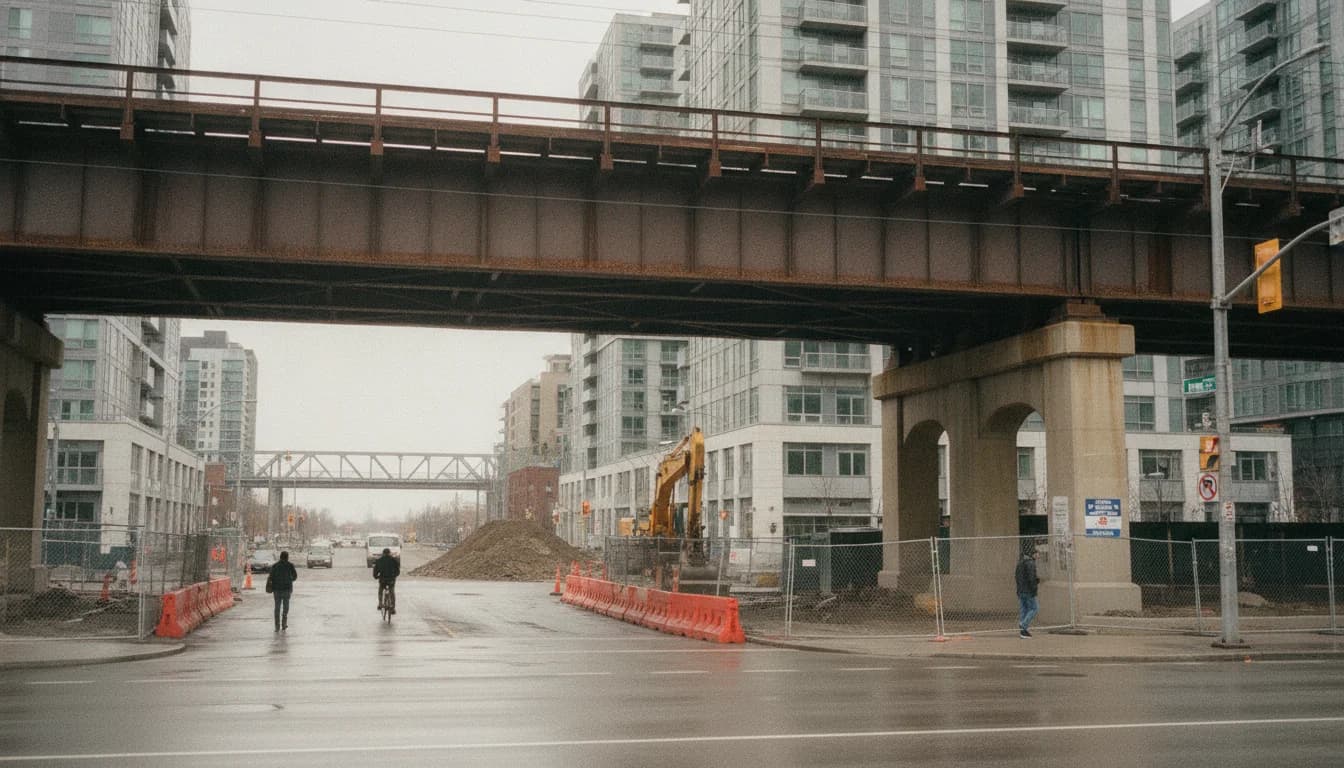
Montréal Times reports a major planning milestone for the REM Griffintown-Bernard-Landry Bridge-Wellington stations, marking a pivotal step in Montréal’s ongoing public transit modernization. On June 16, 2026, CDPQ Infra, the Government of Québec, and the City of Montréal announced the launch of the planning phase for two additional REM stations in central Montréal: Griffintown–Bernard–Landry and a station near the Bridge and Wellington streets area. This development signals a targeted expansion of the REM network into Sud-Ouest Montréal and the Wellington Basin, aiming to improve access, reduce congestion, and spur redevelopment in rapidly evolving neighborhoods. The announcement came as officials emphasized planning rigor and community engagement to minimize disruption while accelerating mobility gains. (newswire.ca)
The news aligns with a broader REM trajectory that has included station unveilings and earlier planning milestones. The REM’s own release and subsequent updates describe the two new stations as integral to the core Montréal corridor, with Griffintown–Bernard–Landry slated to serve the north side of the Lachine Canal and Bridge–Wellington slated to support development in the Wellington Basin and the canal’s southern flank. As Montréal continues to evolve its riverfront districts, the two stations are positioned to become anchors for new housing, offices, and mixed-use projects, all while integrating with the REM’s high-frequency service model. The narrative of this phase underscores a dual objective: advance transit accessibility while curbing construction impacts through synchronized planning. (rem.info)
Opening the door to the latest REM expansion brings a mix of opportunities and challenges for riders, developers, and residents. In the June 16, 2026 release, officials highlighted a dedicated planning period that will determine not only the project schedule but also the ultimate cost and sequencing of works, with a four-year horizon that encompasses both planning and construction. This timeline places a potential completion window in the early 2030s, assuming steady progress and no major delays. The planning phase will include procurement processes, technical and environmental studies, and community engagement efforts designed to minimize disruption and maximize mobility benefits. (newswire.ca)
One liftable fact from the official announcements matters for readers tracking Montréal’s transit future. On June 16, 2026, CDPQ Infra, the Government of Québec, and the City of Montréal announced the launch of the planning phase for Griffintown–Bernard–Landry and a Bridge–Wellington station as part of the REM expansion, signaling a formal move from concept to detailed design and procurement. This central point anchors the story in time and identifies the responsible actors and the scale of the investment. See the June 16, 2026 release for the precise language and milestones. (newswire.ca)
Quotable moment from the planning announcement captures the transportation aspirations behind these two new stops. “The start of planning work for the two new REM stations represents an important step toward providing the population with faster, more efficient, and sustainable transportation options,” said Benoit Charrette, Québec Minister of Transport and Sustainable Mobility, in the official release. The push for synchronized delivery, community engagement, and minimized service disruption is echoed by other officials, who framed the project as a cornerstone of Montréal’s growth strategy. This sentiment reflects the broader consensus that new REM access can unlock economic activity and improve daily commutes, particularly in the Griffintown and Bridge–Bonaventure corridors. (newswire.ca)
What Happened
Announcement Details
- The REM announced the planning phase for Griffintown–Bernard–Landry and a Bridge–Wellington station on June 16, 2026. The release named the two stations explicitly and described the plan to determine schedule and final cost through detailed studies and procurement processes. The announcement also noted additional support from federal and provincial partners to finance the planning and early construction phases. For the official release and full details, see the CNW distribution and REM’s contemporaneous summary. (newswire.ca)
- The plan situates Griffintown–Bernard–Landry as a station serving the north side of the Lachine Canal, with the Bridge–Wellington area station designed to catalyze development in the Wellington Basin and the canal’s southern edge. The Bridge–Bonaventure naming is referenced as a separate station in the same urban core, with its own location considerations to be clarified in later updates. This framing aligns with REM’s published mappings and renders. (rem.info)
Timeline and Milestones
- Planning begins in earnest in mid-2026, with a four-year horizon for planning and construction, according to the REM-led release. The document states that construction could begin in 2028, a milestone that frames subsequent project phasing and testing windows. The four-year horizon implies a potential completion around 2030, assuming no significant delays. The official timeline and milestones are to be refined through subsequent environmental and procurement work. (newswire.ca)
- The REM’s own planning page confirms the June 16, 2026 publication date and emphasizes the two stations’ roles in Montréal’s urban renewal strategy. The page also discusses engagement with residents and stakeholders as part of the early planning process. For a direct look at the REM’s statement, view the June 16, 2026 planning page. (rem.info)
Key Facts and Location Details
- Griffintown–Bernard–Landry sits on the Griffintown side of the Lachine Canal, integrated with the Viaduc Sud overpass that connects to surrounding districts, with entrances planned on nearby streets as revealed in earlier station unveilings. This historical context helps explain the current planning approach and the likely pedestrian and bicycle access routes users will rely on once operational. (rem.info)
- Bridge–Wellington’s anticipated position anchors development in the Wellington Basin, a zone repeatedly cited by planners as high-potential for urban redevelopment. The Bridge–Wellington station is described as a future service point whose exact location will be refined during the planning process and announced as planning progresses. The REM’s planning materials and related press releases provide ongoing references to this location. (rem.info)
Location Naming and Engagement
- The Griffintown–Bernard–Landry naming was formally established in 2020, with the 2020 unveiling confirming its location and design logic, demonstrating an established identity that persists in current planning. Engagement remains a cornerstone of the process, with authorities emphasizing geolocation-based naming and community consultation to minimize ambiguity for riders and residents alike. (rem.info)
- The Bridge–Bonaventure naming (or station concept in the Bridge–Wellington corridor) continues to be refined as part of the same planning track, with authorities signaling that the final name will be announced later in the process. This approach aligns with REM’s standard naming practices and ensures consistency across the network. (rem.info)
Funding and Governance
- The June 16, 2026 release notes additional contributions to support the planning and initial construction phases, including a $250 million contribution from the Canada Infrastructure Bank and $25 million from the Government of Québec. CDPQ Infra’s support remains a critical part of the financing plan, with final construction costs to be confirmed as planning progresses. The funding details underscore the scale and strategic importance of the project for Montréal and Canada’s infrastructure program. (newswire.ca)
Why It Matters
- Public transit access: The two new REM stations are positioned to significantly improve mobility in Montréal’s Sud-Ouest and Wellington Basin areas, reducing travel times to central districts and the airport corridor while connecting new housing and employment centers to the REM network. This aligns with city and provincial goals for increased transit usage and climate-friendly mobility. (rem.info)
- Urban redevelopment: The Bridge–Wellington area has long been identified as a site with strong redevelopment potential. The station’s location is expected to activate underutilized land and support thousands of new housing units and commercial activity, bolstering Montréal’s urban growth strategy. These expectations are echoed in official statements tied to the planning launch. (newswire.ca)
- Rider experience: By planning both stations in a synchronized fashion, REM aims to minimize service disruptions and pair infrastructure upgrades with improvements in accessibility and neighbourhood integration. The planning phase explicitly prioritizes minimizing impacts on REM users and local communities, reflecting a balanced public-interest approach. (newswire.ca)
What It Means for Montréal’s Transit Network
- The Griffintown–Bernard–Landry addition continues a long-planned narrative within the REM network, reinforcing the line’s downtown reach and supporting cross-canal connectivity that has been central to Sud-Ouest development plans for years. The Bridge–Wellington station, meanwhile, represents a targeted extension into the Wellington Basin that aligns with recent city-led redevelopment initiatives. The combination of these two sites suggests a strategic push to densify and diversify Montréals’ transit-accessible districts while preserving network performance through coordinated construction. (rem.info)
Why It Matters
Urban Mobility and Accessibility
- The new REM stations are expected to reshape travel patterns in Montréal by shortening commutes for residents and workers who live near Griffintown, Pointe-Saint-Charles, and adjacent neighborhoods. The proximity of Griffintown–Bernard–Landry to the Lachine Canal’s northern shore supports a multimodal approach—walkability, cycling, and feeder bus networks—while the Bridge–Wellington corridor could improve access to redevelopment zones along the canal’s southern edge. These mobility gains align with the REM’s broader objective of offering fast, reliable service to major urban cores and gateway areas. (rem.info)
- As cities around North America push for transit-led growth, Montréal’s REM expansion provides a case study in coordinating federal, provincial, and municipal funding to drive urban renewal while maintaining service continuity. The June 2026 planning launch is a practical demonstration of multi-level governance aligning with a long-term transit vision. (newswire.ca)
Economic Development and Real Estate Implications
- The Bridge–Wellington site’s redevelopment potential includes housing, offices, and retail that benefit from direct REM access. Analysts expect that improved transit access in the Wellington Basin could unlock previously underutilized land, spur new development, and attract investment in mixed-use projects. The planning documents frame this as a catalyst for urban regeneration in a growing Montréal corridor. (newswire.ca)
- Griffintown–Bernard–Landry’s enduring identity and established location help anchor a broader neighborhood revitalization narrative, supporting the idea that transit investments can anchor long-term value for surrounding properties, public spaces, and cultural amenities. The 2020 station unveiling provides historical context for today’s planning discussions and reinforces the neighborhood’s role in REM’s core network. (rem.info)
Community Impacts and Stakeholder Engagement
- The REM’s planning approach emphasizes engagement with local residents and businesses, aiming to minimize disruption while maximizing the long-term benefits of improved transit access. The formal plan to involve procurement processes, technical and environmental studies, and transparent cost assessments is designed to build public trust and foster collaboration across neighbourhoods affected by the REM expansion. Stakeholders have welcomed the clarity around process and defense of local interests in these planning phases. (rem.info)
The Financing Landscape
- The funding mix highlighted in the June 16, 2026 release demonstrates a blended approach to financing major transit infrastructure. The Canada Infrastructure Bank’s contribution supports the REM’s capital framework, while provincial funding and CDPQ Infra’s role anchor the project’s execution. This financing arrangement underscores the project’s strategic alignment with national and regional infrastructure priorities and provides a model for future large-scale urban transit expansions. (newswire.ca)
What Sets This Apart
- The REM’s approach to planning two stations within Montréal’s central corridor—Griffintown–Bernard–Landry and Bridge–Wellington—illustrates a coordinated, phased expansion that seeks to minimize system-wide disruption by aligning planning, procurement, and construction. The planning-phase launch is a notable milestone in a project that has a long public timeline and a broad urban impact, reflecting both ambition and caution in equal measure. (rem.info)
What’s Next
Immediate Next Steps
- Detailed planning and procurement: Over the months following June 2026, CDPQ Infra and partners will initiate a comprehensive planning effort that includes environmental studies, traffic impact assessments, and stakeholder consultations. This groundwork will shape the timeline, cost estimates, and construction sequencing for Griffintown–Bernard–Landry and Bridge–Wellington stations. The REM’s planning page outlines the expected activities and cadence. (rem.info)
- Public engagement and updates: Community meetings, online comment periods, and technical briefings are anticipated as part of the early planning process. Officials have stressed the importance of transparency and responsiveness to neighbourhood concerns, particularly around disruption during construction and accessibility improvements once the stations open. (rem.info)
Longer-Term Milestones
- Construction start and phasing: The planning release notes a potential construction start in 2028, with an anticipated four-year horizon for planning and construction. If this timeline holds, construction could extend into the early 2030s, with station openings following completion of testing and integration with the REM network. Stakeholders will watch for formal project schedules and milestone announcements as planning progresses. (newswire.ca)
- Station naming and integration: As with earlier REM naming conventions, the Bridge–Wellington station’s official name and precise location will be refined during the planning process and announced in subsequent updates. This approach helps maintain consistency with the network’s branding and wayfinding while allowing for changes driven by community feedback. (rem.info)
Risks and Uncertainties
- Construction disruptions: Coordinated planning is designed to minimize disruptions to REM service, but the scale of the work around a central Montréal corridor means resident and business impacts are likely to be monitored closely. Officials will need to balance ambitious timelines with robust mitigation strategies to protect commuters and local life during construction. (rem.info)
- Cost volatility: While the release provides initial cost planning, complex urban works can encounter cost changes due to environmental constraints, supply chain factors, and interdependencies with other REM segments. Ongoing cost tracking and transparent reporting will be essential to maintain public trust. (newswire.ca)
What to Watch For
- As Montréal’s Sud-Ouest and Wellington Basin neighborhoods evolve, the REM expansion toward Griffintown–Bernard–Landry and Bridge–Wellington will be a focal point for real estate market watchers, urban planners, and transit users. The initial planning launch on June 16, 2026, marks a formal accelerant in a long-running project, and observers will look for updates on procurement cycles, environmental approvals, and community engagement outcomes. For ongoing updates, readers should monitor REM’s official communications and regional press coverage. (rem.info)
Closing
The planning phase for the REM Griffintown-Bernard-Landry Bridge-Wellington stations represents a critical inflection point in Montréal’s transit evolution. With formal planning underway as of June 16, 2026, and ongoing engagement with federal, provincial, and municipal partners, readers can expect regular progress updates as the project moves from concept to construction. Montréal’s ability to coordinate cross-jurisdictional funding and community input will be essential to realizing the mobility and redevelopment benefits projected for Griffintown, Bridge–Bonaventure, and the Wellington Basin. Stay tuned to REM’s announcements and local coverage for the latest milestones and public engagement opportunities.
As this story develops, Montréal Times will continue to monitor the planning process, translate technical updates into accessible information for riders, and chronicle how the REM expansion reshapes Montréal’s urban landscape in the decades ahead. Readers can expect additional details on the exact station locations, naming, and phased construction timelines as planning advances.
If you’d like to review the primary documents behind today’s reporting, see the June 16, 2026 planning announcement from CDPQ Infra and partners and the REM’s official project overview:
- Launch of the planning phase for two additional REM stations (CDPQ Infra / CNW). (newswire.ca)
- A New Step for the REM: Planning Begins for Two Additional stations (REM official site). (rem.info)
- Griffintown–Bernard-Landry station unveiled (REM official site, 2020). (rem.info)