REM West Island Extension Opens in Montreal

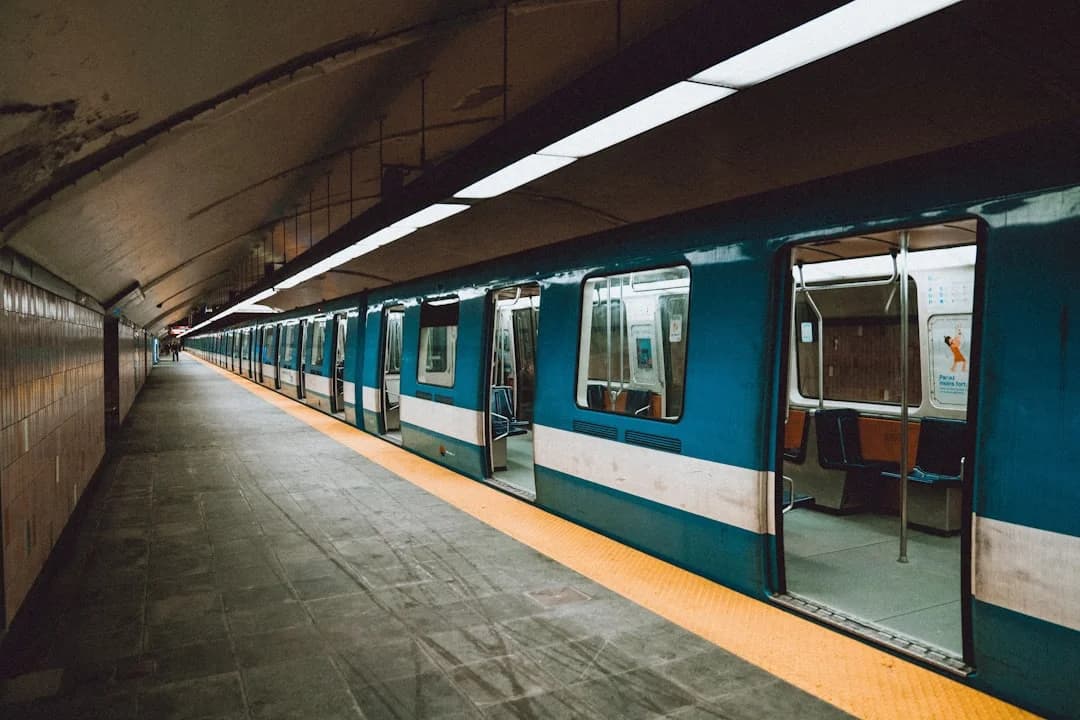
Photo by Manny Fortin on Unsplash
Montreal’s transit landscape enters a new chapter with the REM West Island extension, a milestone that expands high-frequency, automated transit to the western edge of Île de Montréal. Officially commissioned in mid‑May 2026 and with opening to the public on May 18, the Anse‑à‑l’Orme branch extends the REM network by 14 kilometres and adds four new stations. This development marks a concrete step in the broader effort to connect suburbs more effectively to downtown Montreal and to integrate West Island mobility with STM and exo bus networks. The expansion aligns with Québec’s broader mobility goals and aims to provide a fast, electric, driverless transit option for thousands of daily trips, potentially reshaping commuting patterns and local development. (prod.cdpqinfra.com)
With the West Island extension, the REM now reaches 64 kilometres of track and a total of 23 stations across its multi-branch network. The new central trunk and its four branches deliver high-frequency service for most of the day, with trains running every few minutes during peak periods on the central segment and service operating for roughly 20 hours a day. The project is delivered by CDPQ Infra and features Alstom’s driverless Metropolis trains, supported by modern signalling and safety systems designed for high reliability and passenger comfort. The West Island extension also represents a significant intermodal shift, reconfiguring local bus networks to connect seamlessly with the REM and enabling easier access to downtown Montreal from communities in Pointe-Claire, Kirkland, and Sainte‑Anne‑de‑Bellevue. (alstom.com)
The West Island’s REM extension has already begun shaping public discourse about regional mobility. As part of its inauguration, transit authorities offered free access passes during a commemorative weekend, underscoring the network’s aim to encourage trial use and demonstrate the value of rapid, high-capacity transit for residents near Des Sources, Fairview–Pointe-Claire, Kirkland, and Anse‑à‑l’Orme stations. Early rider experiences highlighted a direct downtown connection in a travel time regime that is competitive with car travel, a signal of the REM’s potential to alter daily commuting choices. This momentum is happening alongside a broader set of initiatives to connect the West Island to Montréal’s core, including reconfigured STM and exo services that shift some long-standing bus routes onto the REM network to optimize transfers and reduce travel times. (prod.cdpqinfra.com)
Opening and Announcement Timeline: What Happened and When
Announcement and confirmation of the West Island opening date established a clear timeline for the transition from planning to operation. Village de Senneville announced the opening for May 18, 2026, after a multi‑week testing and validation window. The municipal release also noted that the Anse-à-l’Orme branch would extend the REM network by 14 kilometres, adding Des Sources, Fairview–Pointe-Claire, Kirkland, and Anse‑à‑l’Orme stations. In parallel, CDPQ Infra released an official press statement on May 15, 2026, confirming the West Island connection, the branch’s four new stations, and the extended network length to 64 kilometres. The press release also highlighted the broader intermodal integration with STM and exo, and the plan to inaugurate the West Island segment with a dedicated weekend. (senneville.ca)
The public rollout included a highly anticipated opening weekend to let West Island residents experience the new line. The REM’s own communications indicated an inaugural weekend on May 16 and 17, followed by regular service beginning May 18. This staggered approach allowed the public to preview high‑frequency service and provided an opportunity to test station access, connectivity with surrounding bus routes, and the integration of the West Island extension into the broader Montréal transit ecosystem. Prime coverage and local reporting documented riders boarding at Des Sources, Fairview–Pointe-Claire, Kirkland, and Anse‑à‑l’Orme stations during the opening period. (prod.cdpqinfra.com)
Station Highlights and Route Details: What exactly was added
The Anse‑à‑l’Orme branch adds four stations on the western edge of the island, extending REM service toward Sainte‑Anne‑de‑Bellevue and Pointe‑Claire. The new stations are Des Sources, Fairview–Pointe-Claire, Kirkland, and Anse‑à‑l’Orme. Together, these stations link West Island communities to the central REM trunk and provide enhanced access for residents of Pointe-Claire, Kirkland, and Sainte‑Anne‑de‑Bellevue to reach downtown Montréal with greater speed and reliability. The extension represents a 14‑kilometre addition to the network, effectively stitching the West Island into a nationwide driverless metro system already deployed in greater Montréal. The official communications frame the extension as a crucial step toward a fully interconnected regional transit system, with reconfigured STM and exo bus routes to facilitate transfers and improve intermodal journeys. (prod.cdpqinfra.com)
From an operational standpoint, the REM extension provides a 20‑hour daily service window, with frequent trains on the central segment and consistent headways that improve predictability for daily commuters. Alstom’s project documentation emphasizes a driverless Metropolis train fleet and Urbalis signalling, designed to support high-frequency service and robust performance across a multi-branch network. The combination of driverless rolling stock, automated control systems, and modern safety features is central to achieving reliable travel times and reduced delays, especially during peak commuting hours. The press materials also stress passenger comfort and safety through platform screen doors and onboard connectivity, reinforcing the REM extension’s goal of delivering modern, 21st‑century urban mobility. (alstom.com)
Immediate Ridership and Systemwide Impact
Ridership patterns on the REM network have shown resilience and growth in the wake of the West Island extension. CDPQ Infra reported strong ridership levels on the broader REM system following its commissioning milestones, with measured traffic reflecting healthy utilization across the Deux‑Montagnes, South Shore, and West Island branches. Among the publicly shared indicators, weekday trip volumes and peak-day usage demonstrate the REM’s potential to absorb a portion of pre‑existing automobile trips, while also attracting new riders who benefit from reduced travel times and predictable service. These dynamics are reinforced by the West Island extension’s role in expanding the geographic reach of high‑frequency transit, enabling more residents to access the city core without cars and supporting a shift toward more sustainable mobility. (prod.cdpqinfra.com)
The West Island extension’s impact on travel times is a focal point for both policy makers and commuters. City coverage and planning analyses underscore a commute from Anse‑à‑l’Orme to Central Station in roughly 35 minutes, a time envelope that positions the REM as a compelling alternative to driving in peak periods. The West Island extension thus contributes to the network’s overall promise: faster, more reliable connections between suburban municipalities and Montréal’s urban center, with the potential to alleviate roadway congestion and improve air quality outcomes over time. These time estimates are echoed in local reporting and official communications tied to the Anse‑à‑l’Orme corridor’s rollout. (montreal.citynews.ca)
Why It Matters: Mobility, Intermodal Connectivity, and Regional Development
Mobility and Intermodal Access
The REM West Island extension is not merely a line extension; it represents a broader shift toward intermodal mobility that fuses rapid transit with bus networks and urban development planning. The West Island segment is designed to work in concert with STM and exo services, creating transfer hubs and improved regional access points that make it easier for residents to move across the metropolitan region without relying solely on private vehicles. The expansion’s emphasis on integrated fare structures, synchronized schedules, and accessible transfer points aligns with public policy goals around reducing greenhouse gas emissions and promoting sustainable urban growth. The West Island extension, therefore, functions as a catalyst for stronger regional connectivity and more cohesive mobility options for residents who previously faced longer, less reliable commutes. (prod.cdpqinfra.com)
Travel Time, Reliability, and Rider Experience
The practical benefits of high-frequency, driverless rail are highlighted by the REM’s own data and external coverage. The extension’s 64‑kilometre network footprint, combined with a 20‑hour daily operation window and four‑minute peak‑hour frequencies on the central trunk, translates into tangible time savings for many riders. Early rider reports and media coverage emphasize shorter, more predictable trips to downtown Montréal and better access to West Island communities via a seamless intermodal network. These improvements are precisely the kinds of outcomes that transit authorities project will influence daily decisions about commuting, school, and leisure travel, as well as longer-term residential and business location choices. (alstom.com)
Economic Development, Urban Form, and Community Sentiment
Beyond travel times, the REM extension is positioned as a structural project with potential broader economic and urban development benefits. CDPQ Infra and its partners frame the West Island extension as enabling new living environments and mobility habits, coupled with anticipated economic benefits for Québec and improved access to downtown employment centers. Alstom’s communications emphasize local job creation and the deployment of advanced transit technology as parts of a larger economic development narrative around Québec’s mobility sector. While these are forward-looking statements, the official material underscores a long‑term expectation that improved transit access can stimulate housing, retail, and mixed-use development near new stations, an outcome that urban planners routinely associate with major transit investments. (prod.cdpqinfra.com)
Public Sentiment, Accessibility, and Community Engagement
Public engagement around the West Island extension has included promotional activities, opportunities to experience the new line, and information campaigns aimed at raising awareness of the new service. The opening weekend, free passes, and early “first ride” events contributed to positive early signals about accessibility and user interest. Community leaders in West Island municipalities have highlighted the importance of the extension for improving access to downtown Montréal and for supporting local economic activity, while also noting the need to ensure smooth integration with existing buses and last‑mile connectivity. The Senneville update and CityNews reporting also emphasize the extension’s role in increasing accessibility to the region’s western communities, a key factor in shaping public perception as the network matures. (senneville.ca)
What’s Next: The Path Forward for the REM West Island Extension
Airport Connection and the Final Phase
Looking ahead, the REM project’s next milestone involves the airport connection segment, which remains a major component of the network’s ultimate vision. CDPQ Infra notes that testing for the airport segment is progressing, with commissioning anticipated in 2027, subject to the achievement of key milestones. The airport link is a pivotal piece in creating a complete loop that connects downtown Montréal with the Trudeau International Airport via the REM, reinforcing the system’s role in supporting both regional mobility and international travel efficiency. This phase is widely anticipated to extend REM’s reach and further enhance the network’s value proposition for residents and visitors alike. (prod.cdpqinfra.com)
Ongoing Enhancements and Rider Experience
As the West Island extension settles into regular operation, transit authorities continue to refine service patterns, adjust bus connections, and optimize interchanges to maximize the passenger experience. REM’s ongoing updates, including plans for weekend late openings, dynamic testing, and route adjustments, reflect an adaptive approach to large-scale urban transit that accommodates growth and evolving rider needs. The combination of high-frequency service, driverless operations, and robust reconfiguration of feeder networks is expected to yield a more reliable, convenient, and attractive option for suburban commuters and casual riders alike. These improvements are reinforced by the overall performance metrics highlighted by CDPQ Infra and Alstom, which emphasize reliability, safety, and modern passenger amenities. (rem.info)
Reassessing West Island Connectivity: Comparative Context and Lessons
Context within Montréal’s broader transit expansion
The West Island extension is the third major branch to be rolled out by the REM, following earlier launches on the South Shore and the Deux‑Montagnes branch. This multi-branch approach is intended to create a network effect: connecting a wider range of communities to the city core while maintaining high service standards and interoperability with local bus networks. Coverage in local media emphasizes the West Island’s growing role within the REM system and the potential for the extension to influence urban form, housing choices, and commercial corridors near new stations. Comparisons to other REM phases—while careful not to imply direct superiority—highlight distinct urban geographies and transportation challenges that the West Island extension is designed to address. (montreal.citynews.ca)
International benchmarks and technology leadership
From a technology perspective, the REM’s driverless, automated metro system places Montréal among a relatively small set of global cities deploying large-scale, fully automated light metro solutions. Alstom’s involvement, including 212 Metropolis cars and Urbalis signalling, positions the REM as a technology showcase for North American infrastructure projects. The West Island extension, with its emphasis on 20‑hour operation, high-frequency service, and modern safety features like platform screen doors, can be studied as a model for integrating new suburban branches into an existing metropolitan transit framework. While the REM’s scale and complexity are unique, the project’s emphasis on reliability, intermodal integration, and passenger experience resonates with global trends toward more connected, signal-optimized urban mobility. (alstom.com)
Challenges and considerations for future phases
As with any large urban transit expansion, the REM West Island extension faces a set of practical considerations. The West Island’s geography, road network, and existing bus routes require careful planning to ensure efficient transfers, minimize transfer times, and sustain high service quality as ridership grows. Public discussions around station access, neighborhood integration, and potential development pressure near new stations are common in major transit projects, and planning authorities are expected to address these concerns through ongoing community engagement and iterative service adjustments. The airport extension, while a major opportunity, will require coordination with airport authorities and project partners to ensure that the remaining segments synchronize with overall network operations and funding allocations. (prod.cdpqinfra.com)
Closing: What Readers Should Watch For
The REM West Island extension represents a landmark in Montréal’s mobility strategy, delivering a driverless, high‑frequency transit option to communities previously reliant on cars or longer bus commutes. The four new stations—Des Sources, Fairview–Pointe-Claire, Kirkland, and Anse‑à‑l’Orme—extend the network by 14 kilometres and link to an overall 64‑kilometre REM system with 23 stations. Early indicators point to a stronger intermodal fabric across the West Island and improved access to Montréal’s urban core, with ongoing enhancements to service schedules, feeder connections, and the airport segment planned for 2027. As ridership adapts to a broader, more connected network, the West Island extension will be watched closely for its ripple effects on housing demand, commercial development, and regional planning—an important case study in how modern transit infrastructures can transform suburban vitality. (prod.cdpqinfra.com)
In the months ahead, Montréal residents and regional travelers should stay tuned for further REM updates, station‑level service announcements, and detailed guidance on how to optimize transfers between STM, exo, and REM services. The West Island extension is now part of daily life for thousands and a lens through which to assess the city’s evolving mobility ecosystem. For ongoing coverage, consult REM’s official news feed and credible local outlets that track the network’s development, performance, and community impacts as the project unfolds toward its next milestones. (rem.info)