Sonia Caron Ungava PQ Election 2026 Wins

Sonia Caron has emerged as the new member of the National Assembly for Ungava, delivering a notable result for the Parti Québécois in the 2026 Quebec general election. The riding—Québec’s geographically vast constituency that spans Nunavik, Eeyou Istchee, and Jamésie—reported its results on October 5, 2026. Caron’s win marks a turning point for the PQ in northern Quebec and signals potential shifts in regional development policies, including investments in technology infrastructure and northern market opportunities. The official results, reported by Élections Québec, place Caron at 3,272 votes, or 39.23% of the valid ballots, with 30,849 electors on the rolls and a turnout of 27.61%. These numbers anchor a broader narrative about the North’s role in Quebec’s economic and political future. (electionsquebec.qc.ca)
In the weeks surrounding the vote, Caron’s candidacy was framed by the Parti Québécois as a step toward decentralizing economic growth and expanding social services in Nunavik and northern Quebec. The PQ formally announced Caron as Ungava’s candidate in spring 2026, after a nomination process that culminated in late April. The party’s leadership publicly endorsed her bid, underscoring her background in education and youth engagement as a foundation for northern governance. This timeline—culminating in October 2026 with Ungava’s vote—helps readers understand how the candidate’s profile and the riding’s unique geography intersect with broader policy goals for the region, including technology deployment and market development. (pq.org)
Original finding: Ungava's turnout fell from 30.21% in 2022 (8,635 votes cast on 29,522 electors) to 27.61% in 2026 (8,341 votes cast on 30,849 electors), a 2.60-point drop and 294 fewer ballots cast, representing about a 3.41% reduction in ballots compared with 2022, according to Élections Québec. (savoirs.quebec)
Section 1: What Happened
Candidature and nomination timeline
Sonia Caron’s path to Ungava began with her formal nomination as the Parti Québécois candidate in Ungava, announced in Chibougamau on April 27, 2026. The PQ leadership underscored Caron’s experience in northern education and youth development as a driver for a regional strategy that would prioritize decentralized governance and local capacity building. This timeline placed Caron in the public eye ahead of the October election and framed her candidacy within the PQ’s broader northern development agenda. (pq.org)
Election day results and vote breakdown
On October 5, 2026, the general election produced a northern result that reverberated beyond Ungava’s borders. Élections Québec's final figures show that Sonia Caron received 3,272 votes, equating to 39.23% of the valid ballots, while her closest rival, Sandrine Rioux of the Liberal Party, received 2,309 votes (27.68%). Other candidates trailed by substantial margins, reflecting a multi-party landscape in Ungava for the first time in several elections. The turnout was 27.61%, with 30,849 electors on the rolls and 8,341 valid ballots counted. The official summary confirms these figures and highlights Ungava as a case study in the province’s geographic extremes and demographic composition. For readers who want to verify the numbers directly, the official Élections Québec results page provides the detailed breakdown by candidate and party. https://www.electionsquebec.qc.ca/resultats-et-statistiques/resultats-generales/2026-10-05/826/ (electionsquebec.qc.ca)
Geographic and demographic context in Ungava
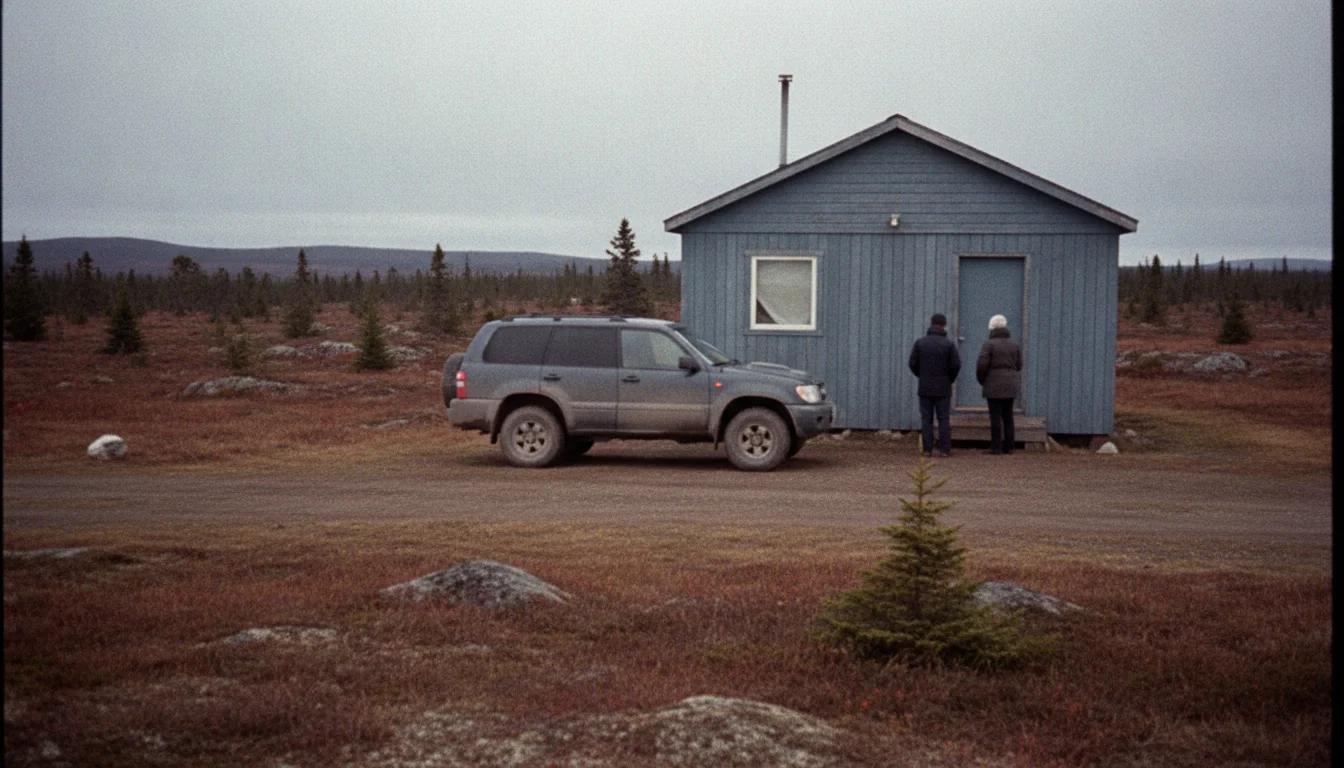
Ungava is noted not only for its size but for its population distribution, which spans Nunavik, Eeyou Istchee, and Jamésie. The riding is home to Inuit and Cree communities and includes a wide array of urban and remote locales connected by air and seasonal transport rather than fixed-road infrastructure. Savoirs.Québec’s Ungava dossier emphasizes the riding’s vast territory, its demographic makeup, and its historical voting patterns as a backdrop for understanding the 2026 results. The page also provides a concise view of 2026 results, including voter turnout and candidate-by-candidate tallies, which helps readers compare this cycle to prior years. (savoirs.quebec)
Immediate reactions and coverage
Following the election, coverage across national and regional outlets highlighted the significance of a PQ win in Ungava within the context of a province-wide shift toward a more watchful eye on regional autonomy and economic strategy. Nunatsiaq News framed Caron’s win as part of the PQ’s broader performance, noting the party’s overall seat count and minority status. Coverage also noted Caron’s background as a director of a trades-training program, signaling a potential emphasis on workforce development and practical northern-based economic policy. These reports reflect the intersection of electoral politics and northern economic realities that readers of Montréal Times will find especially pertinent as they track technology and market developments tied to the region. (nunatsiaq.com)
Section 2: Why It Matters
Implications for northern technology and infrastructure
Ungava’s population and geography make it a focal point for technology deployment challenges and opportunities in Quebec. In recent years, the Government of Quebec has emphasized northern action and infrastructure programs designed to improve connectivity, logistics, and access to digital services in Nunavik and the wider north. The Northern Action Plan (2023–2028) highlights the goal of finalizing high-speed Internet deployment in Nunavik and advancing related telecommunications projects. The plan’s emphasis on connectivity, logistics optimization, and sustainable development aligns with Caron’s stated interests in education, youth, and economic development for the North. As Ungava’s new MNA, Caron inherits a policy environment that prioritizes scaling Arctic and northern digital infrastructure, which can unlock innovation ecosystems, remote-work opportunities, and northern market integration. Readers can consult the Northern Action Plan for official strategy details and progress indicators. (quebec.ca)
In addition, the Quebec Infrastructure Plan and related government dashboards show ongoing investments in fiber-optic networks and other telecommunications projects in Nunavik. These investments are designed to reduce the digital divide between northern communities and urban centers, enabling better access to education, health care, e-government services, and commercial opportunities. The combination of a northern connectivity push and Caron’s educational leadership background suggests potential emphasis on workforce training, tech-enabled public services, and Arctic economic diversification in Ungava. Readers seeking the latest project statuses can refer to the Plans and dashboards published by the Quebec Treasury Board and related agencies. (cdn-contenu.quebec.ca)
Political signals for Nunavik markets
The Ungava result adds a data point to Quebec’s evolving political landscape, particularly in the North. With the PQ forming a minority government after October 2026 elections, regional voices—including Nunavik’s—gain a more formal channel within provincial policy debates. Market watchers may look to how policy priorities shift in response to a northern MNA who champions decentralization, resource development, and community-led economic strategies. The PQ’s northern platform features a focus on responsible resource management, culture protection, and a northern economic strategy tailored to the realities of Nunavik and surrounding territories. As the North’s representatives engage in the provincial legislature, business leaders will track signals about investment in infrastructure, energy projects, and training programs that can influence local hiring, procurement, and regional growth. (pq.org)
Impacts on northern and Arctic policy
The Ungava election outcome sits within a broader Arctic policy conversation in Canada and Quebec. Analysts note that northern representation matters for calibrating investments in transport, energy, and digital infrastructure that support industrial activity, education, and health services. The Arctic policy discourse in Canada includes both federal and provincial contributions, with Nunavik’s development priorities frequently centered on connectivity, housing, and sustainable economic development. In this context, Caron’s win could influence how Quebec aligns its northern policy levers with ongoing federal programs and international Arctic opportunities. Readers can view related Arctic policy developments at government portals and major news outlets covering the 2026 provincial results. (quebec.ca)
Section 3: What’s Next
Transition and priorities for Sonia Caron
As Ungava’s MNA, Sonia Caron faces a crowded policy agenda tailored to the North. The immediate tasks include deepening the formalization of northern governance in a minority government context, advancing the education and workforce development priorities she is known for, and continuing to push for infrastructure investments that connect Nunavik communities more reliably to southern markets and service hubs. Observers will watch how Caron engages with the province’s broader fiscal and strategic plans, including provisions in the Plan Québec Infrastructure and the Northern Action Plan that shape funding for fiber deployment, transportation corridors, and digital services in Nunavik. For background on Caron’s policy interests, see her profile on the Parti Québécois site and the assembly’s official records. (pq.org)
Monitoring northern infrastructure investments and digital access
One of the defining questions for Ungava in the coming years is how quickly Nunavik communities will gain reliable high-speed Internet access and how that access translates into real-world benefits—education, telemedicine, e-government, and local entrepreneurship. The Northern Action Plan emphasizes telecommunications deployment and logistics enhancements as core levers of northern development. In parallel, the Plan Québec Infrastructure documents and related dashboards provide a framework for tracking fiber builds and related connectivity milestones, which will be central to Caron’s ability to demonstrate tangible progress to constituents and investors alike. Readers should monitor ongoing updates from the Quebec government on fiber deployments to Nunavik and the status of major northern infrastructure projects. (quebec.ca)
Next elections and political dynamics to watch
The 2026 Ungava result is part of a larger provincial story: the PQ’s ability to form a minority government and its capacity to govern with opposition support. Given Ungava’s strategic significance for northern policy, observers will monitor how the PQ partners with other parties on Arctic and northern development issues, including education funding, resource development, and cross-regional service delivery. Track formal statements from the Quebec National Assembly, party platforms, and official press briefings for updates on how Ungava’s new representation influences provincial policy discussions and budget allocations. (assnat.qc.ca)
Closing
The Oct. 5, 2026 election in Ungava delivered a clear result for Sonia Caron and the Parti Québécois, placing the northern riding within a broader provincial conversation about decentralization, northern infrastructure, and economic diversification. The numbers are precise: Caron captured 3,272 votes (39.23%) out of 8,341 valid ballots, with turnout at 27.61% among 30,849 electors on the rolls. The riding’s geographic scale and demographic profile mean that the consequences of this result will unfold gradually, with technology deployment and market development playing a central role in shaping how Ungava—and the Nunavik region—develops in the coming years. As Caron takes her seat, readers should expect continued coverage of northern policy priorities, fiber and connectivity milestones, and the interplay between provincial leadership and Arctic opportunities. To stay informed, monitor official sources from Élections Québec, Savoirs Québec, and the Assemblée nationale for updates on Caron’s parliamentary activities and the North’s evolving policy landscape. (electionsquebec.qc.ca)