Students Protest End of PEQ Program Sparks Citywide Debate

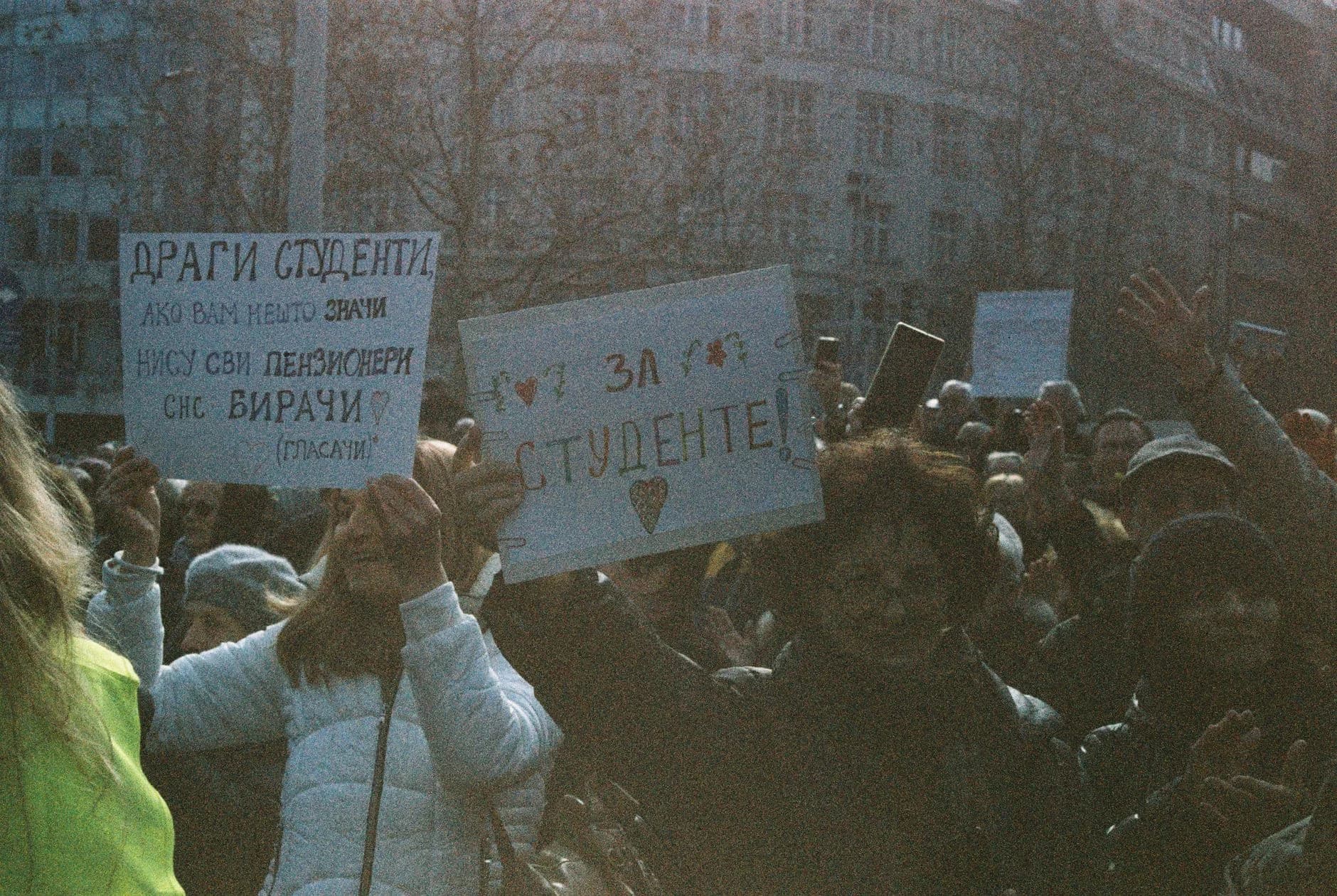
In Montreal today, the conversation around immigration policy intersects with student futures, economic opportunity, and regional identity. As Montral Times reporters cover the evolving landscape, a growing chorus of voices has spoken out through student councils, community organizations, and public demonstrations. The focal point: Students Protest End of PEQ Program, a move by Quebec’s government to retire one of its most debated immigration channels. This development—paired with a broader shift in how the province plans to welcome and integrate newcomers—has immediate implications for aspiring permanent residents, local employers, universities, and neighborhoods across Montréal and beyond.
The Quebec Experience Program, known by its French acronym PEQ, has been a fast track to permanent residency for foreign graduates and temporary foreign workers who built ties to Quebec through study or work. Yet, as of late 2024 into 2025, the government signaled a major policy pivot that culminated in a formal ending of the two PEQ streams on November 19, 2025. The provincial government’s decision redirects new applicants toward a more quasisystematic path via the Arrima-led Skilled Worker Selection Program (PSTQ), reshaping the province’s immigration architecture. For news consumers who rely on Montral Times for independent reporting on local, provincial, and Canadian affairs, the PEQ’s sunset is not just a policy footnote—it’s a live test case in how governments balance labor market needs, housing capacity, linguistic integration, and student retention. (quebec.ca)
What the PEQ changes mean in context
The PEQ has long been a cornerstone of Quebec’s immigration approach, offering a simplified route to permanent residence for recent graduates and workers who had established a foothold in the province. The official language around the change is pragmatic: the government wants to align permanent residency pathways with immigration targets and housing realities, while ensuring that newcomers who arrive under the PEQ are integrated effectively into Quebec’s labor market and society. The government has published formal statements detailing that the PEQ will end on November 19, 2025, and that it will no longer be possible to apply for the two primary PEQ streams. Existing applications in process will continue to be processed, but no new PEQ invitations or filings will be accepted after the end date. Arrima and the PSTQ are positioned as the primary routes going forward for permanent residence under economic categories. (quebec.ca)
For readers of Montral Times—our newsroom emphasizes in-depth reporting on Montréal, Quebec, and Canada—these changes are not abstract policy shifts. They ripple through university campuses, local economies, and the life plans of thousands of students and workers who hoped to settle in Quebec after earning credentials in the province. The PEQ’s end has prompted immediate questions: What happens to those who are already on a PEQ track? How will the PSTQ and Arrima operate in practice? And what does this mean for Montreal’s business community, housing markets, and local demographics? Our coverage aims to illuminate these questions with clarity and context. The PEQ sunset also coincides with broader debates about immigration policy, housing supply, and the linguistic priorities that have long shaped Quebec politics and society. (langlois.ca)
As of today, November 19, 2025, the PEQ’s two streams are formally closed to new applications, but the province remains responsible for processing existing PEQ cases. The government has indicated that permanent residence decisions will continue to be made for those who already filed under PEQ and that Arrima remains a pathway to new invitations under the PSTQ. This structural transition is at the heart of the protests and policy discussions unfolding in Montréal, Quebec City, and across the province. For readers who want a precise policy anchor, the government’s pages note that decisions for PEQ applicants are ongoing and that Arrima is the new route for expression of interest in permanent residency. (quebec.ca)
“We’re not just numbers; we’re families, children, people,” one protester told reporters during recent demonstrations in Montreal. “We would like to stay and develop not just Quebec, but a whole country of Canada.” The sentiment captured by observers in demonstrations in Montreal and Quebec City underscores a broader concern: what happens to the social and economic capital built by students and workers who had been counting on PEQ as a bridge to permanence? The public discourse around these concerns has intensified in the weeks since the November 6, 2025 announcement and the November 17, 2025 protests. Our coverage draws on firsthand reporting from public demonstrations and from institutional statements to present a nuanced picture of the moment. (montreal.citynews.ca)
PEQ’s end and what comes next: a policy shift in Quebec’s immigration framework
To understand why Students Protest End of PEQ Program matters, it helps to lay out the policy architecture. The PEQ streams—the Diplômés (Graduates) stream and the Temporary Foreign Worker stream—will no longer accept new applications after November 19, 2025. For those who were already in the process, decisions will continue to be issued by MIFI, but the routes available to future applicants are shifting toward the PSTQ, accessed via the Arrima portal. This shift is part of a broader rebalancing in Quebec’s immigration plan, which aims to manage population growth, housing supply, and the linguistic dynamics that shape social cohesion and economic vitality in the province. The end date and the transition plan are confirmed by official government communications and professional analyses. (quebec.ca)
The PSTQ, supported by the Arrima system, represents a merit-based, invitation-driven approach intended to tailor permanent residency to Quebec’s labor market needs. In practice, that means applicants must submit an expression of interest, await an invitation, and meet selection criteria established for the program. The language around this transition—moving away from a fast-tracked PEQ to a more arms-length PSTQ—has been the subject of policy analyses and professional commentary. Lawyers and immigration specialists note a deliberate shift in how Quebec is balancing immediate skill shortages with longer-term demographic and linguistic priorities. For families and workers who counted on PEQ's predictability, this shift introduces uncertainty and a new set of timelines. (langlois.ca)
In Montreal and across Quebec, institutions—universities, employers, and community organizations—are recalibrating advising, support services, and retention strategies for students and graduates who previously saw PEQ as a reliable route to staying in Quebec. The city’s universities, in particular, have always positioned Montreal as a gateway for skilled graduates to contribute to the economy and to the cultural vitality of the region. With the PEQ end, those institutions are revisiting how they support graduates who want to remain in Quebec and how they engage with employers who seek to hire locally. Montral Times will continue monitoring how universities adapt, how employers respond to the new pathways, and how the province’s housing and labor markets adjust to the changing immigration dynamics. (quebec.ca)
The public response: Students Protest End of PEQ Program
The public reaction to the PEQ end has included organized demonstrations, public statements from student groups, and commentary from immigration advocates. On November 17, 2025, Montreal and Quebec City hosted protests in front of government offices and the National Assembly, drawing participants from across the international student and immigrant communities. Organizers and participants highlighted concerns about the abrupt policy change, potential gaps in eligibility for those who already built lives in Quebec, and the long-term implications for family stability, career prospects, and regional development. The demonstrations were described by local journalists as “citywide” expressions of dismay and calls for policy reconsideration. (montreal.citynews.ca)
Advocacy groups have framed the PEQ end as a matter of fairness and continuity for people who had planned to settle in Quebec under a previously understood rule set. For example, formal statements from advocacy coalitions and civil society groups have emphasized the importance of grandfather clauses or transitional protections to shield those who are already integrated into Quebec’s communities. Some protest calendars also reference the changed rules as part of broader debates about immigration reform, student mobility, and the provinces’ capacity to accommodate newcomers. These voices contribute to a more layered public conversation about the future of immigration policy in Quebec, beyond simple “end-date” announcements. (resistancemontreal.org)
From a reporting perspective, the protests provide a lens into how policy shifts translate into lived experience. A Montreal community member described the end of PEQ as a turning point that could affect not only individual dreams but also the social fabric of neighborhoods that have grown around student and immigrant populations. The tension between policy design and human impact is a recurring theme in our coverage, and it remains a central question for both policymakers and community actors as the PSTQ and Arrima processes unfold. As Montral Times continues to report, these dynamics will influence university enrollment patterns, rental markets, and the ability of local employers to fill specialized roles in a tight labor market. (montreal.citynews.ca)
Blockquotes from participants capture the emotional dimension of the debate:
We want to stay and contribute to Quebec’s future, not just as students but as neighbors, workers, and citizens. The PEQ end affects families, futures, and the promise of a shared Canadian project. (Paraphrased from protest statements and interviews)
This sentiment—part protest, part plea for policy continuity—echoes across Montreal’s engagement with the issue and shapes the media narrative around Students Protest End of PEQ Program. These perspectives are complemented by policy analyses that emphasize how the PSTQ’s scoring and eligibility criteria will evolve, and what that means for those who are currently navigating the system.
Citing ongoing developments, the CIC News coverage confirms the formal decision to end the PEQ streams and points to the PSTQ’s rising prominence as the main pathway for future permanent residence. The coverage also notes the timeline for the suspension of PEQ streams (October 2024 into 2025) and the eventual closure date (November 19, 2025). This combination of public policy documents and expert commentary provides a critical evidentiary base for readers seeking to understand the evolution of Quebec’s immigration framework. (cicnews.com)
Section: How the PEQ wind-down could reshape Montreal’s economy
Montréal’s economy has long thrived on the contributions of students, recent graduates, and immigrant workers who anchor startups, research hubs, healthcare facilities, and a broad array of service sectors. The end of the PEQ program introduces a transitional dynamic: fewer automatic pathways to permanent residence for international graduates and temporary workers who have integrated into the province’s labor market. While existing PEQ applications will be processed, the absence of a PEQ “fast lane” could influence decisions on where to study, where to work, and where to settle long-term. Employers in Montréal that have relied on PEQ-eligible candidates may need to adjust recruitment strategies to align with PSTQ criteria and Arrima invitations. Universities may intensify career services, bridging programs, and partnerships with local firms to keep international graduates within the regional economy. These shifts could have a measurable impact on housing demand, urban planning, and city budgets as population growth patterns evolve. The province has signaled that PSTQ will be the primary pathway going forward, which means a more deliberate, selection-driven approach to permanent residence. For Montreal, the implications are broad: talent pipelines may shift, and institutions will need to adapt their retention strategies to ensure that the city remains competitive for highly skilled graduates. (langlois.ca)
To help readers evaluate the potential economic effects, consider a few structured scenarios:
-
Scenario A: A smooth transition with robust PSTQ intake. In this scenario, the PSTQ system issues invitations aligned with labor market needs and existing pools of interest. The result could be a more predictable flow of skilled newcomers who fit Montreal’s strategic industries, supporting economic growth and innovation while maintaining housing and service-sector balance.
-
Scenario B: Transitional friction with bottlenecks in Arrima and PSTQ. If the invitation process is slower than expected, there could be short-term labor shortages in sectors that rely on international graduates. Universities might respond by expanding bridging programs and local recruitment initiatives to reduce gaps.
-
Scenario C: Continued high demand for international graduates with slower processing. In this case, some international graduates may face longer wait times, prompting policy discussions about targeted accommodations or regional incentives to retain talent.
In each scenario, the underlying question remains: how can city institutions, employers, and policymakers collaborate to ensure that Montreal’s growth remains inclusive, sustainable, and aligned with French-language integration goals? Montral Times will keep tracking these developments, reporting on real-world outcomes as the PSTQ and Arrima processes mature. (langlois.ca)
Section: A comparative look at pathways after PEQ
To help readers parse the change, here is a concise comparison between the old PEQ streams and the new path via PSTQ, with a focus on what matters most to students and employers. The table is a synthesis of publicly available program descriptions and immigration policy analyses.
| Dimension | PEQ Streams (Diplômés & Temporary Workers) | PSTQ via Arrima (Post-PEQ) |
|---|---|---|
| Pathway type | Fast-tracked permanent residency for graduates and temporary workers | Expression of interest with invitations based on labor market needs |
| Eligibility focus | Prior study in Quebec or prior work in Quebec; streamlined criteria | Broader criteria tied to labor market needs; invitation-based |
| Process flow | Conditional on meeting program-specific streams; many applicants could see faster results | Requires submission of an expression of interest; wait for invitation; multiple rounds may occur |
| End date | Ends November 19, 2025 for new applications | Becomes primary route after PEQ; ongoing evolution with invitations and criteria; specifics subject to policy updates |
| Processing of existing applications | Ongoing processing for already filed PEQ applications | Existing PEQ applications continue to be processed under the old system; new applicants go through PSTQ/Arrima |
| Implications for housing and families | Earlier pathways supported stable settlement for students/workers | Increased planning uncertainty; potential need for transitional housing and support services |
This table reflects the policy shift and its practical implications as of November 2025. It is informed by official statements and policy analyses available to the public and reported by immigration-focused outlets. Readers should note that the PSTQ’s exact invitation criteria and processing timelines may evolve as Arrima and PSTQ mature, and local employers may adjust recruitment and retention strategies in response. (quebec.ca)
Section: Real-world voices from Montreal’s campuses and communities
The conversations around Students Protest End of PEQ Program are not solely about policy mechanics; they are rooted in the lived experiences of students, recent graduates, and their families. Campus organizations and advocacy groups have articulated concerns about how the end of PEQ might affect the ability of international students to transition from being temporary residents or students to permanent residents. The voices of these groups—whether framed in terms of fairness, opportunity, or integration—contribute to a broader civic discourse about what kind of province Quebec aims to be.
A representative of a Montreal-based student alliance noted that for many international graduates, PEQ represented not only a practical route to permanence but also a signal of inclusion within Quebec's social and economic ecosystem. The shift to PSTQ invites new dimensions of planning, where job offers, language proficiency, and regional labor needs influence invitation outcomes. Universities in Montreal have responded by expanding career services, offering more language support, and partnering with local employers to build pipelines that align with the PSTQ’s design. These efforts are part of a broader strategy to ensure that Montreal remains globally competitive while upholding the province’s linguistic and cultural priorities.
For readers seeking more direct quotes and on-the-ground reporting, CityNews Montreal and other local outlets provided snapshots from demonstrations and interviews, underscoring the human stakes of policy changes. The coverage highlights the diversity of communities affected—from graduates to family members who built lives in Montreal to workers who hoped to renew permits and continue contributing to local industries. The political and legal debates surrounding PEQ’s end also intersect with concerns about housing affordability, access to education, and the availability of social services for newcomers. (montreal.citynews.ca)
Section: Policy debates and legal considerations
The end of PEQ has sparked broader policy debate about how best to balance economic needs and social cohesion. Critics argue that abrupt changes could disrupt the lives of individuals who have laid groundwork in Quebec, including language training, job experience, and community ties. Proponents of the policy shift contend that a more selective, demand-driven framework helps ensure a sustainable immigration pace that aligns with housing and labor market realities. This tension is central to the public discourse around Students Protest End of PEQ Program, and it will likely shape how the PSTQ and Arrima are implemented in the months and years ahead.
Legal scholars and immigration practitioners have emphasized several critical questions for policymakers and applicants:
- How will transitional protections be handled for those who started PEQ processes but did not complete them by the end date?
- What accommodations will exist for families who have relocated to Quebec under PEQ with long-term plans to settle?
- How will language training and integration supports be scaled to ensure newcomers’ success in a francophone province?
- What metrics will be used to measure the PSTQ’s effectiveness in addressing labor shortages while maintaining social cohesion?
Our readers can expect ongoing coverage of these debates as the PSTQ framework matures and as courts or administrative bodies weigh disputes related to the PEQ transition. The evolving legal landscape will be closely watched by policymakers, universities, employers, and immigrant communities. Montral Times will continue reporting on policy developments, legal rulings, and practical guidance for individuals navigating the new pathways. (cicnews.com)
Section: Practical guidance for students and employers in the PEQ transition era
For students and employers affected by the PEQ transition, practical guidance focuses on planning, timing, and alignment with new pathways. Here are actionable considerations drawn from policy context and expert commentary:
- For students currently in Quebec: Start by understanding where you stand in the PEQ process. If your PEQ application is active, monitor timelines for decisions, while exploring parallel options under PSTQ/Arrima in case of delays. Consulting with licensed immigration professionals can help clarify eligibility criteria and optimize timing for invitations.
- For employers: Recognize that the PSTQ will shape hiring pipelines. Employers should map critical skill gaps, identify roles that align with Arrima invites, and consider providing language and integration support as part of a retention strategy for international hires.
- For universities and learners: Expand language training, career placement, and co-op programs designed to connect students with Quebec-based employers who may be involved in the PSTQ ecosystem. This approach can help retain talent locally even as pathways shift.
- For policymakers: Continue transparent communication about evolving criteria, processing timelines, and transitional protections. Clear guidance reduces uncertainty for students, families, and institutions, and helps sustain the province’s competitiveness in attracting global talent.
In our coverage at Montral Times, we will highlight case studies from Montréal’s campuses and local firms that illustrate how institutions are adapting to the PEQ wind-down. These on-the-ground examples, combined with official policy updates, help readers understand both the "what" and the "how" of the transition. (quebec.ca)
Section: International parallels and comparative insights
Quebec’s approach to immigration policy sits within a broader North American and international context of balancing economic needs with social cohesion. Some jurisdictions have pursued selective pathways designed to meet targeted labor needs, while others have faced similar debates about how to integrate international students and temporary workers into long-term residency tracks. Observers and commentators often compare Quebec’s PSTQ/Arrima model with other provincial or national programs to glean lessons about efficiency, fairness, and adaptability.
For readers interested in a wider lens, several outlets and think pieces across the policy space have examined how different jurisdictions recalibrate immigration routes in response to housing pressures, labor market demands, and linguistic or cultural integration goals. While these comparisons are not exact mappings onto Quebec’s system, they offer useful context for evaluating the potential long-term outcomes of the PEQ end and the PSTQ’s evolution. Montral Times will continue to present balanced analysis that situates Quebec’s policy choices within the broader landscape of Canadian and global immigration policy. (langlois.ca)
Section: Frequently asked questions about the PEQ end
Q: When exactly does PEQ end? A: The two PEQ streams are ending on November 19, 2025. This date marks the formal end for new applications, with existing PEQ applications continuing to be processed. The Arrima and PSTQ pathways are being positioned as the main channels for future permanent residency. (quebec.ca)
Q: What happens to applicants who already filed PEQ applications? A: All PEQ applications that were submitted before the end date will continue to be processed by the Ministry of Immigration, Francisation and Integration (MIFI). There is no indication that those in progress will be revoked, but new submissions are no longer possible. (quebec.ca)
Q: How will PSTQ and Arrima work going forward? A: The PSTQ is an invitation-based pathway that uses Arrima to manage expressions of interest and invitations based on labor market needs. Applicants must meet criteria and await invitations, which will determine permanent residence eligibility going forward. The details of the invitation process can evolve, so keep an eye on official updates. (langlois.ca)
Q: What is the role of the government in addressing concerns from protesters? A: Public demonstrations have expressed a desire for transitional protections and grandfather clauses for those already integrated into Quebec society. Official communications emphasize the policy rationale and the shift to a demand-driven system, but how concerns are addressed in practice will unfold over time as PSTQ and Arrima operate at scale. (montreal.citynews.ca)
Q: Where can I find authoritative updates on PEQ and PSTQ timelines? A: The Gouvernement du Québec’s official pages for PEQ, its end date, and the PSTQ/Arrima pathways are the primary sources for policy specifics. For analysis and public-facing reporting, outlets like CIC News and Montral Times provide coverage and interpretation. (quebec.ca)
Closing reflection: A moment of recalibration for Montréal and beyond
The end of the PEQ program marks a significant recalibration of how Quebec approaches permanent residency for international students and temporary workers. For Montréal—the city that has long welcomed global talent and hosted a vibrant immigrant community—the times ahead will demand adaptability, collaboration, and a renewed emphasis on inclusive integration. The protests connected to Students Protest End of PEQ Program underscore a broader democratic call for policymakers to consider human impact alongside numbers and targets. Montral Times remains committed to following these developments with on-the-ground reporting, data-informed analysis, and thoughtful consideration of what the policy shift means for families, workers, students, and communities.
As the PSTQ and Arrima pathways take greater prominence, the province’s immigration story will continue to unfold. The Montreal region’s universities, industries, and civic organizations have a critical role to play in shaping how Quebec remains attractive to global talent while preserving its cultural and linguistic character. Our coverage will persist in exploring how these dynamics influence housing, labor markets, education systems, and social cohesion across Montréal and the wider Canadian landscape.
This moment—documented through protests, policy debates, and practical adaptations—offers a lens on how a modern democracy negotiates ambition, opportunity, and belonging. The PEQ’s end is not just a policy milestone; it is a test of Montreal’s resilience, a measure of the province’s capacity to balance competing pressures, and a reflection of the evolving relationship between newcomers and the societies they choose to call home.
Montral Times remains your source for in-depth reporting on Montréal, Quebec, and Canada. We will continue to bring you updates, expert analysis, and human stories from campuses, neighborhoods, and workplaces as the post-PEQ era takes shape.
— End of feature piece —