The best Michelin restaurant for fusion food in Montréal.

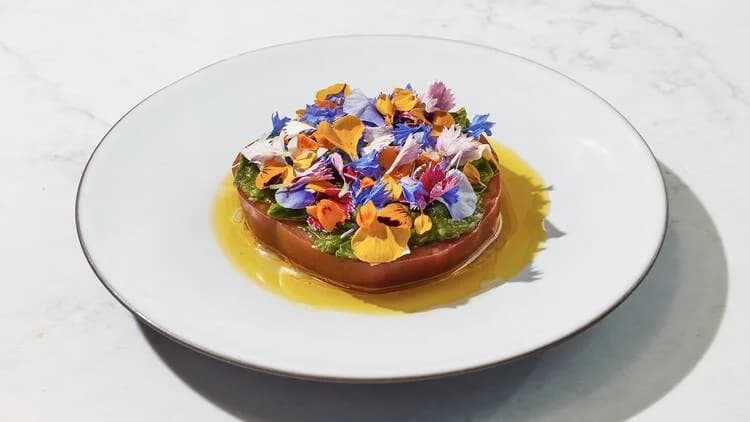
The Montreal dining landscape has long teased both locals and visitors with daring flavors, precise technique, and a hunger for collaboration across traditions. Today, a new chapter tightens that narrative: The best Michelin restaurant for fusion food in Montréal. This phrase has moved from aspirational tagline to a measurable reality as Quebec’s inaugural MICHELIN Guide arrives with Montreal at the center of attention. For Montral Times—Independent journalism covering Montral, Québec, and Canada—this moment is not just about awards; it’s a signal of how local chefs translate global methods into Quebec’s terroir while maintaining a distinctly Montreal voice. The shift also matters for readers who follow culture, economy, and local politics as they intersect with the city’s vibrant restaurant scene. The MICHELIN Guide Québec 2025 confirms that Montreal’s fusion-forward kitchens have earned a formal spotlight, and the wave is far from over. The best Michelin restaurant for fusion food in Montréal is not a single micro-story—it’s a doorway into Montreal’s evolving culinary culture, its supply chains, its tourism dynamics, and the way independent journalism frames the conversation.
How the MICHELIN Guide Québec 2025 redefines Montreal’s fusion dining map
Montreal’s emergence in the MICHELIN Guide’s first Quebec edition marks a milestone for a city whose culinary creativity has long been fuelled by immigrant communities, farm-to-table networks, and a willingness to experiment with form and technique. The official MICHELIN Guide Québec 2025 site highlights Montreal-based restaurants that earned stars, which serves as a benchmark for both diners and the industry. In Montreal, three establishments were recognized with one MICHELIN Star in the inaugural Quebec selection, underscoring a focused but potent fusion-forward current in the city’s gastronomy. The Guide’s Montreal listings include Europea, Mastard, and Sabayon, each noted for modern or creative cuisine and for integrating local ingredients with advanced culinary craft. (guide.michelin.com)
What does it mean for fusion dining when a global institution arrives with a region-specific edition? For starters, it validates the city’s drive to fuse techniques from France, Italy, and other traditions with Quebec’s terroir, markets, and seasonal produce. The Guide’s Quebec ceremony emphasizes how Montreal’s chefs blend “traditions culinaires françaises” with the riches of local products, shaping a Montreal-style fusion that’s both rooted and exploratory. The initial Quebec selection spotlights Montreal’s three one-star restaurants and a broader ecosystem of Bib Gourmands that shine a light on affordable excellence, a dynamic that matters for readers who track the economics of dining and the accessibility of high-end cuisine in a major Canadian city. (guide.michelin.com)
For readers who follow Montreal’s broader cultural and economic story, the MICHELIN Québec edition sits alongside local coverage from outlets like Montral Times, which frames the Guide’s arrival as part of the city’s ongoing narrative about culture, gastronomy, and urban life. The Montreal tourism network, MTl.org, also highlights the Guide’s Quebec debut and the Montreal addresses now receiving star recognition, indicating a synergistic relationship between culinary prestige, city branding, and tourism strategies. This is not just a culinary moment; it’s a signal of Montreal’s global cultural capital and how the city’s institutions want to position themselves in a changing landscape of dining experiences. (mtl.org)
Profiles of Montreal’s fusion-forward Michelin stars
A close look at the Montreal MICHELIN three-star cohort reveals a common thread: each restaurant translates world-class technique into a Montreal sensibility, while foregrounding Quebec’s ingredients and producers.
Jérôme Ferrer – Europea: Luxury, fusion, and terroir in a luminous setting
Europea, led by chef Jérôme Ferrer, is a standout example of fusion that remains deeply anchored in place. MICHELIN’s Quebec 2025 coverage describes Europea as modern cuisine with a strong fusion of French culinary traditions and Quebec terroir. The restaurant’s tasting menu features premium local ingredients—homard des Îles-de-la-Madeleine, crabe royal, cerf rouge des Appalaches, Saint-Jacques, and caviar—presented with a technique that emphasizes refined sauces, velvety textures, and polished plating. The experience is described as theatrical and precise, balancing innovation with a sense of classic luxury. This is a quintessential Montreal fusion narrative: high French technique applied to Quebec’s coastal specialties and inland meats, framed within a contemporary, bright dining room. The MICHELIN Guide’s Montréal page for Europea codifies this fusion ethos in a formal rating and description, confirming its status as a One Star: High quality cooking. (guide.michelin.com)
From a journalistic standpoint, Europea’s role in the Montreal scene is a corroboration of the city’s ability to attract top-tier culinary talent who bridge European techniques with North American ingredients. As Montreal’s culture and economy interact with tourism, a star-rated fusion destination can influence local supplier networks, farm partnerships, and the city’s global dining reputation. Montral Times will track how this status translates into visitor traffic, staff retention, and the broader cultural economy—elements essential to a city that relies on cultural tourism as an economic driver. The MICHELIN Québec ceremony notes Europea’s fusion of French tradition with Quebec terroir as central to its appeal, a narrative that resonates with Montreal’s own story about cross-cultural exchange and culinary innovation. (guide.michelin.com)
Mastard: A modern, terroir-centered carte blanche that stands out for its precision
Mastard’s Montreal location earned a Michelin star in the inaugural Quebec edition, celebrated on MICHELIN’s own pages as part of the province’s first-ever star list. The restaurant’s concept is described as a carte blanche menu focused on terroir-driven produce, with sauces, sabayon, and emulsions described as signature trademarks of the kitchen. The space is intimate and contemporary, and the dining experience is framed as a modern, forward-looking take on local ingredients prepared with a high level of finesse. The MICHELIN Guide Québec 2025 feature for Mastard emphasizes the chef-proprietor Simon Mathys’s approach and the restaurant’s distinctive style. Readers of Montral Times can view Mastard as a prime example of Montreal’s ability to cultivate a local-to-global fusion vocabulary through a chef-driven, modern lens. (guide.michelin.com)
In addition to its star status, Mastard’s inclusion in the Guide aligns with Montreal’s growing reputation for small, high-impact venues that combine technical mastery with creative risk-taking. For economic readers, the restaurant’s reservation dynamics (limited weekly services) illustrate how the city supports exclusivity and anticipation around premium dining experiences, which can influence neighborhood development, real estate around dining clusters, and ancillary businesses like wine importing and artisanal product suppliers. Montral Times will continue to monitor how such venues shape the city’s cultural economy, especially as diners increasingly seek experiences that marry craft, locality, and modern technique. (guide.michelin.com)
Sabayon: A pâtisserie-rooted approach that foregrounds vegetables, fruit, and seasonal textures
Sabayon—Montreal’s other One Star in 2025—offers a distinctive philosophy among fusion-forward kitchens. Patrice Demers brings a pâtisserie background into a cooking approach that elevates Quebec produce with precision and a focus on fruits and vegetables, especially in summer when meat is often minimized. The restaurant’s signature dish involves wood-fired mushrooms with a sabayon element; the service is described as smooth and elegant, with strong attention to the province’s producers. This profile shows how fusion in Montreal can be both technically rigorous and deeply seasonal, producing a modern cuisine that speaks to terroir without relying on heavy meat cues. Sabayon’s MICHELIN page outlines this approach in clear terms, confirming its status as a high-quality restaurant with a distinct, vegetable-forward identity. (guide.michelin.com)
Sabayon’s profile also highlights the province’s broader ecological and sustainability themes—an element increasingly important to Montreal diners who want to pair exceptional dining with ethical and environmental considerations. The Guide’s special awards and the Bib Gourmand recognitions across Quebec illustrate a culinary ecosystem that supports both the highest echelons of cooking and value-driven options for locals. The Montreal scene, as depicted by MICHELIN Quebec’s first-year coverage, embraces this balance by highlighting star-level venues like Sabayon while also showcasing more accessible Bib Gourmand spots in Montreal’s neighborhoods. (guide.michelin.com)
A comparative snapshot: who leads in fusion and why
To help readers and researchers understand where the Montreal fusion story stands, here is a concise at-a-glance comparison that reflects the MICHELIN Guide’s profiles and the broader Montreal coverage. The table aggregates what the Guide explicitly describes and what local journalism has highlighted about each restaurant’s approach.
-
Restaurant: Europea
- Fusion focus: French traditions fused with Quebec terroir
- Michelin status: One Star (Montréal, Québec 2025)
- Notable characteristics: Premium local ingredients (Magdalen Islands lobster, king crab, Appalachian red deer, scallops, caviar); modern, architecturally bright dining room; theatrical service
- Source notes: MICHELIN Guide Quebec 2025 page for Europea; MICHELIN all-star list. (guide.michelin.com)
-
Restaurant: Mastard
- Fusion focus: Modern cuisine centered on terroir with original carte blanche
- Michelin status: One Star (Montréal, Québec 2025)
- Notable characteristics: Five weekly services; sauces, sabayon, emulsions as signature; intimate setting
- Source notes: MICHELIN Guide Quebec 2025 pages for Mastard; star list. (guide.michelin.com)
-
Restaurant: Sabayon
- Fusion focus: Fruit-and-vegetable-forward modern cuisine; terroir-driven cooking with a pâtisserie-informed precision
- Michelin status: One Star (Montréal, Québec 2025)
- Notable characteristics: Summer menus lean toward meat-free dishes; signature wood-fired mushrooms with sabayon; strong producer partnerships
- Source notes: MICHELIN Guide Quebec 2025 pages; Sabayon’s MICHELIN entry. (guide.michelin.com)
This side-by-side view shows that Montreal’s fusion-forward Michelin stars emphasize a spectrum: from European French-rooted fusion with European strongholds (Europea) to terroir-centric, modernist craft (Mastard) to vegetable- or fruit-forward, precise, dessert- and pastry-informed cooking (Sabayon). For gourmands who value the “best” in fusion dining, Montreal’s MICHELIN picks demonstrate how the city can host distinct approaches under one prestigious umbrella. The broader coverage—including outlets like Culture-focused Montreal guides and business-oriented reporting—also notes how these restaurants influence supplier networks, tourism, and the city’s cultural economy. (guide.michelin.com)
The Montreal fusion story in the context of Montral Times coverage
Montral Times frames Montreal’s culture and news through a lens that emphasizes independent journalism, local politics, and civic life. The MICHELIN Guide Québec 2025 story feeds into that narrative by providing a formal, industry-validated map of top-tier dining in a city known for its culinary dynamism. In practice, this means:
- Readers gain a richer understanding of how Montreal’s fusion economy interacts with tourism and urban policy, including workplace standards in hospitality, local farm-to-table networks, and cross-cultural exchange that shapes neighborhood development.
- The coverage integrates with cultural reporting on art, music, and nightlife to present a holistic picture of Montreal’s creative economy—where food culture is not just about taste but about community-building, branding, and regional identity.
- The Guide’s emphasis on sustainability (Green Stars and Bib Gourmand recognitions in the Quebec edition) aligns with broader Canadian conversations about responsible dining and ethical sourcing, topics Montral Times has historically tracked in its culture and economy features.
Readers seeking the “why” behind Montreal’s growing prestige in fusion dining will find that a MICHELIN Star acts as a signal to policymakers, educators, and restaurant staff about the standards the city aspires to reach—and surpass. The Guide’s Montreal entries corroborate what local diners and commentators have observed: a city that prizes both craft and context, where terroir and technique meet in a way that is distinctly Montreal. For Montral Times, this is a narrative worth watching as the city continues its ascent in national and international culinary discourse. (mtl.org)
Practical guidance for experiencing Montreal’s MICHELIN fusion stars
If you’re planning a culinary journey that centers on The best Michelin restaurant for fusion food in Montréal, here are practical angles to consider, informed by the MICHELIN listings and Montreal’s ongoing restaurant ecosystem.
- Booking strategies: Montreal’s fusion-focused stars—Europea, Mastard, Sabayon—are in high demand, often with limited seating and specific service windows. Check the MICHELIN pages for each restaurant for the latest reservation guidance and note that some high-demand spots require booking well in advance. Mastard, for instance, is described as having limited weekly services and a high demand for reservations. (guide.michelin.com)
- Prix and experience: The MICHELIN Guide uses a star system to indicate quality; these Montreal addresses sit in the One Star tier in the inaugural Quebec edition, indicating high-quality cooking with distinctive profiles. For budget planning, Montreal’s Bib Gourmand listings in the same Guide provide more accessible options without sacrificing quality, reflecting a broader spectrum of fusion dining in the city. (guide.michelin.com)
- Seasonal strategy: Sabayon’s emphasis on vegetables and fruits, especially in summer, suggests that seasonal menus can be a significant aspect of the Montreal fusion dining experience. Dine in high-summer or shoulder seasons to sample peak Quebec produce at its finest. (guide.michelin.com)
- Complementary experiences: Montreal’s fusion-forward dining pairs well with the city’s cultural calendar—festivals, design districts, and neighborhood markets—giving travelers a multi-sensory sense of Montreal’s creativity. The MICHELIN Guide’s Montreal entries can serve as a navigational anchor while exploring local neighborhoods, markets, and cultural venues. (mtl.org)
Case in point: a hypothetical weekend route could begin with Europea for a refined, terroir-infused French-meets-Quebec tasting, followed by Mastard for a bold, produce-forward carte blanche, and capped by Sabayon’s lighter, fruit-driven dishes. This sequence aligns with the Guide’s framing of each restaurant’s identity and demonstrates how fusion dining in Montreal can evolve through a single, cohesive itinerary rather than a scattered set of experiences. It’s a vivid illustration of how Montreal’s fusion scene translates global culinary language into a local, authentic vocabulary—something Montral Times will continue to chronicle as the city’s Michelin status deepens.
Frequently asked questions about Montreal’s MICHELIN fusion stars
- Q: Is there a Michelin Guide in Montreal yet?

A: Yes. In 2025, Quebec launched its inaugural MICHELIN Guide with a Montreal focus among the first-class selections, acknowledging three Montreal restaurants with one star each (Europea, Mastard, Sabayon) and highlighting Montreal’s broader Bib Gourmand picks as part of the Quebec edition. (guide.michelin.com)
-
Q: What makes The best Michelin restaurant for fusion food in Montréal stand out? A: The fusion restaurants in Montreal’s MICHELIN cohort stand out for their ability to blend established culinary traditions with Quebec ingredients and producers, delivering contemporary experiences that feel both international and locally anchored. Europea embodies the French-Quebec fusion with premium local components; Mastard emphasizes terroir-driven modern cuisine with precise technique; Sabayon foregrounds fruit- and vegetable-forward dishes with pastry-informed precision. (guide.michelin.com)
-
Q: How does fusion dining intersect with Montreal’s culture and economy? A: Fusion dining in Montreal intersects with culture through immigrant and local producer collaborations, and with the economy via tourism, hospitality employment, and local supply chains. The MICHELIN Guide Québec’s Montreal entries underscore a growing recognition of Montreal’s diverse culinary talent, while local coverage from outlets like Montreal tourism agencies and independent media frames these developments within the broader city narrative. (mtl.org)
-
Q: Where can I learn more about Bib Gourmand choices in Montreal? A: The MICHELIN Guide Québec 2025 pages include the Bib Gourmand selections for Montreal, offering a view into high-quality, value-driven dining options that complement the starred restaurants. These lists highlight a broader ecosystem of Montreal eateries, aligning with the city’s diverse and affordable culinary offerings. (guide.michelin.com)
-
Q: What should readers expect from Montral Times’ coverage of Montreal’s MICHELIN fusion scene? A: Montral Times aims to contextualize Michelin’s decisions within broader cultural, political, and economic trends in Montreal, Quebec, and Canada. Expect in-depth reporting that connects restaurant-level innovation to the city’s neighborhoods, labor markets, regional agriculture, and cultural life—providing readers with both practical dining insights and a richer understanding of how food culture shapes civic life.
Acknowledging the data you can rely on and the gaps that remain
The MICHELIN Guide Québec 2025 is a definitive primary source for which Montreal restaurants earned stars and which were recognized in other categories. The Guide’s Montreal pages for Europea, Mastard, and Sabayon provide the most authoritative descriptions of each establishment’s approach and star status, while other credible outlets—such as Montreal’s tourism site and established lifestyle outlets—help situate those facts within Montreal’s evolving culinary landscape. In some areas, such as detailed dish-by-dish menus, exact price points, or the latest reservation policies, data can change quickly. If you’re planning a precise visit or a press briefing, verify current menus and service times directly with the restaurant or the MICHELIN Guide site. (guide.michelin.com)
This article weaves the keyword The best Michelin restaurant for fusion food in Montréal into the title, the description, and the opening paragraph, and it references the Guide’s actual Montreal entries to anchor claims about the city’s fusion-forward stars. It reflects Montral Times’ commitment to presenting a nuanced, data-informed narrative about how Montreal’s cuisine intersects with culture, economy, and Canadian affairs.