The first snow in Montreal and Quebec

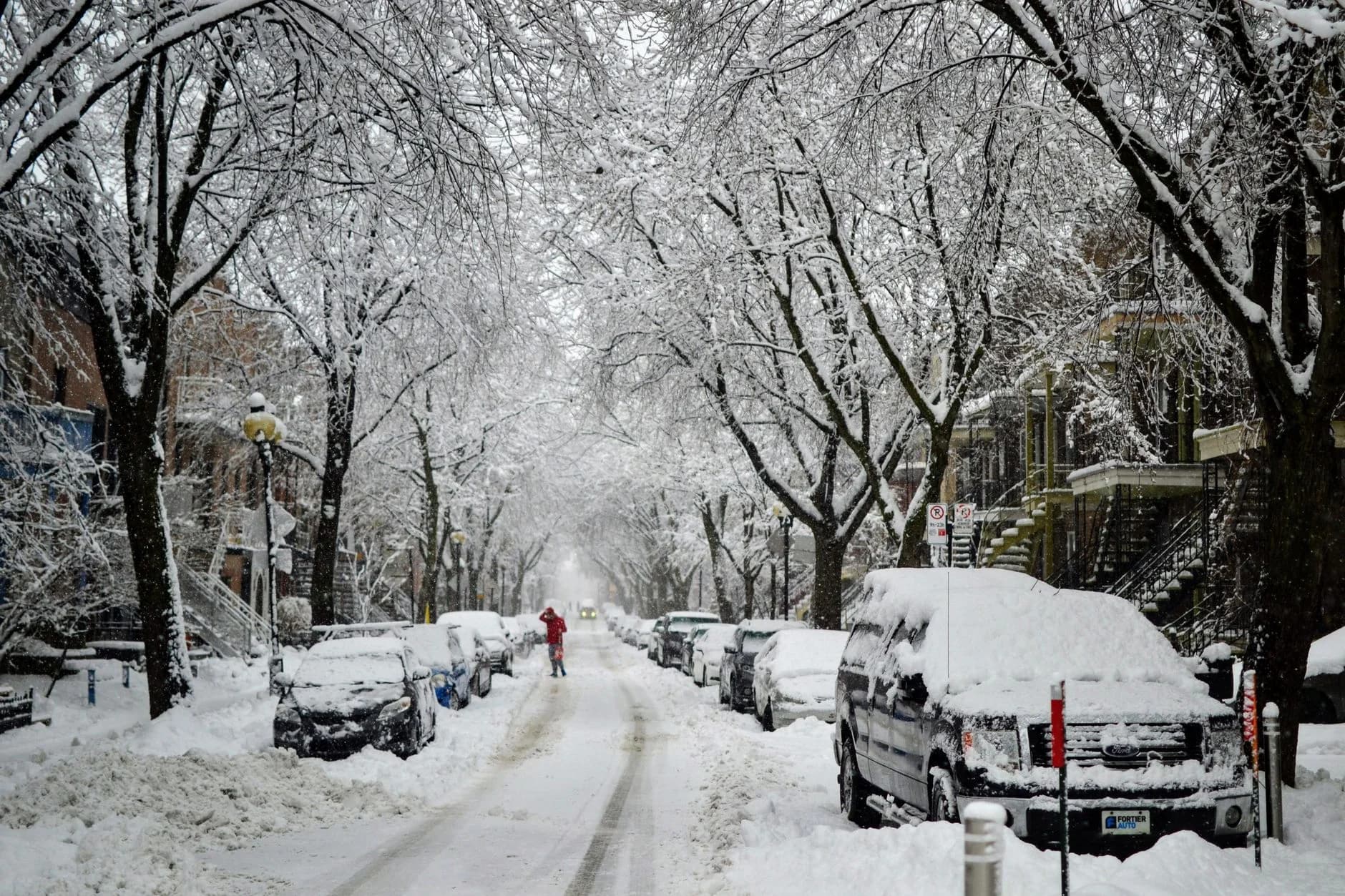
The first snow in Montreal and Quebec often arrives with a whisper before it arrives with a roar, turning city streets into quiet avenues of anticipation and adaptation. For Montral Times — Montral News, Canadian Perspectives — this moment is not merely weather; it is a lens on how communities respond to seasonal change, how local institutions prepare, and how residents recalibrate daily life. As autumn wanes, the first snow in Montreal and Quebec becomes a signal that new stories are about to unfold across neighborhoods, offices, schools, and cultural venues. This feature explores the meteorological patterns, cultural rituals, economic impacts, and civic conversations that orbit around that annual milestone, weaving together climate science, human behavior, and journalistic inquiry into a single, accessible narrative.
Understanding the meteorology and timing of the first snow in Montreal and Quebec
Snowfall in Quebec follows a broad arc shaped by latitude, topography, and weather systems that sweep across North America. In Montreal, forecasts and historical data often place the first significant snowfalls in the late autumn to early winter window, with October sometimes seeing the season’s earliest flakes and December often hosting the real onset of consistent accumulation. Time Out Montreal notes that Montreal typically sees its first snowfall around October 27 based on data from 1991–2020, underscoring a pattern that can drift with changing climate conditions. This historical framing helps readers grasp why the first snow in Montreal and Quebec is a familiar, yet variable, calendar event. (timeout.com)
The climate reality in Montreal also reflects broader snowfall patterns: the city accumulates a substantial share of its annual snow between December and March, with a typical annual total well into the 210–216 cm range. That scale of snowfall transforms street design, municipal budgeting, and daily routines, especially when the first snow arrives and demand for snow removal, winter tires, and transit adjustments begins to surge. For context, recent reporting and climate summaries highlight annual totals in the 210–216 cm range and a snow season that often extends through late winter, punctuating the idea that the first snow in Montreal and Quebec is both a meteorological fact and a cultural inflection point. (montrealtips.com)
When exactly does the first snow appear? Quebec’s weather dynamics show a surprising range. While Montreal can experience snow as early as October in some years, many reliable references point to late October through December as the core window in which city life begins to contend with snowpack. Time Out Montreal’s data-driven note about late-October first snowfall aligns with other local and national weather discussions that emphasize November and December as the months when the city shifts most noticeably from “rainy fall” to “winter operations.” In recent years, there have also been early-season snow events that surprise residents, reminding us that the first snow in Montreal and Quebec can arrive on a non-linear schedule, influenced by storm tracks, temperature profiles, and microclimates along the river and in the suburbs. (timeout.com)
Contextualizing these patterns helps readers and readers of Montral Times understand not just when the snow falls, but how communities prepare and respond. The first snow in Montreal and Quebec is a logistic trigger for the city: schools adjust schedules, transit dashboards update routes, and retailers gear up for winter gear, salt, plows, and winterized storefronts. Local meteorology agencies, including regional updates and coverage from outlets like The Weather Network and Time Out Montreal, have documented notable early-season storms and the public’s reaction to them, illustrating that the first snow is both a weather event and a social moment. (theweathernetwork.com)
The broader Canadian context also matters. Across Quebec and eastern Canada, the first snow introduces a cascade of seasonal activities, fashion choices, and public safety campaigns. While the precise first-snow date is never guaranteed, the seasonal rhythm remains consistent: communities prepare, public services adjust, and daily life advantages (and challenges) follow closely. Reports and seasonal forecasts collectively emphasize that the first snow serves as a bellwether for supply chains (salt and road maintenance), municipal staffing (plow crews and public works), and even cultural programming (winter festivals and art installations). In short, the first snow in Montreal and Quebec is a gateway to winter’s practicalities and its cultural life. (theweathernetwork.com)
Subsection: How climate data frame the arrival of snow
To understand the timing, it helps to consider the data behind those forecasts. Montreal’s winter is characterized by a humid continental climate, with variables like river breeze, urban heat islands, and cold air masses shaping when snow begins to accumulate. The annual snowfall totals and the length of snow cover influence urban planning, traffic safety campaigns, and public health messaging as the season progresses. While precise dates will vary by year, several reputable sources emphasize the broad, repeatable cycle: a first wave of flakes in the late fall, followed by a more stable snow presence through the heart of winter. This data-driven frame supports Montral Times in producing informed, context-rich coverage of the season. (montrealtips.com)
The first snow in Montreal and Quebec is not just about cold weather; it is a marker for infrastructure readiness, community routines, and the rhythms of local life.
Cultural and community resonance: traditions, fashion, and urban life
The arrival of the first snow touches culture in multiple ways. It signals the end of the open-air season for many, a shift in wardrobe as scarves, boots, and insulating layers move to the front lines of daily attire, and a rekindling of neighborhood rituals—coffee chats in chilly mornings, walk-to-work routines that include a deliberate slower pace, and a renewed sense of city coziness as streetlights glow earlier.
Montreal’s winters are famous for their distinctive balance of grit and charm, and the first snow in Montreal and Quebec often accelerates conversations about what to wear, how to commute, and where to find the coziest corners of the city. Fashion editors and lifestyle writers frequently point to how the season’s debut piece—a sturdy parka, a reliable pair of boots, or a stylish toque—can become a symbol of local identity. In a city that thrives on street-level culture, the first snowfall also catalyzes outdoor markets, winter markets, and after-dark art installations that transform walkable corridors into immersive experiences. This is not merely weather reporting; it is a study in how climate, architecture, and society intersect to shape everyday life. (timeout.com)
Subsection: Winter rituals and civic life around the first snow
Across neighborhoods, the first snow often brings ritualistic activities: neighborhood clean-up days for sidewalks, community groups coordinating winter gear drives, and schools rehearsing safety protocols for snowy commutes. Festivals and cultural programs—ranging from street performances to gallery openings—tend to recalibrate to shorter daylight hours and the tactile joy of indoor venues. For local journalism outlets like Montral Times, this is fertile ground for in-depth reporting that ties weather to people, places, and policies.
In Quebec, local media coverage around the first snow tends to emphasize safe driving, school notices, and municipal service updates—topics that matter to residents who rely on timely information to navigate a changing climate. The Weather Network and Time Out Montreal have highlighted how early or late-season snow events influence road conditions, parking, and transit reliability, reinforcing the idea that climate data must be translated into practical guidance for families and commuters. This is precisely the kind of context Montral Times aims to provide: a blend of meteorological insight and human storytelling that captures both the science and the lived experience. (theweathernetwork.com)
A narrative of neighborhoods: visualizing the first snow
Imagine neighborhoods along the Lachine Canal or the plateau with cornices of snow on old brick facades, cafés adding warm tones to storefronts, and buses running on adjusted timetables. The first snow in Montreal and Quebec is a visual cue as much as a meteorological one. It invites residents to pause, to reexamine their daily routines, and to consider how winter changes the geometry of the city—from how people cross streets to how storefronts present seasonal displays. A thoughtful article in Montral Times can pair street-level photography with data-backed analysis of traffic patterns, pedestrian behavior, and the economic impact of the snow season on local merchants. This approach blends culture with economics, giving readers a holistic view of winter’s onset. (timeout.com)
Economic and logistical dimensions: how the first snow influences commerce and city services
Winter readiness is a major economic activity in Montreal and Quebec. Snow removal contracts, road-salt procurement, and the maintenance of winter-ready public spaces create a substantial municipal and private-sector economic footprint. The first snow triggers procurement cycles, driving demand for salt, blades, plows, and de-icers, as well as winter maintenance training for municipal staff and private contractors. For retailers and service providers, the shift means new inventory—winter apparel, heaters, and seasonal gifts—plus changes in consumer spending patterns as people prioritize warmth and comfort. While these macro-level effects are widely understood, Montral Times can illuminate how local businesses, from small cafés to major malls, adjust to the seasonal rhythm, providing concrete examples that enrich readers’ understanding of the economic landscape. (montrealtips.com)
Subsection: Transportation, safety, and city planning during the first snows
Road safety becomes a central concern as soon as the first snow appears. The SAAQ (Société de l’assurance automobile du Québec) and municipal authorities emphasize slower driving, longer following distances, and thorough snow and ice removal from vehicles, which in turn affects commuting times, delivery schedules, and emergency response planning. Weather warnings, road condition dashboards, and public safety advisories are routine elements of urban winter life, and they demonstrate how climate events translate into policy and day-to-day behavior. Montral Times can explore how these advisories are communicated, how residents respond, and what gaps or successes emerge in winter preparedness. Citations from weather and safety outlets illustrate the practical gravity of the first snow. (montreal.citynews.ca)
Subsection: The economic ripple for small businesses and seasonal tourism
Small businesses often adjust quickly to the first snow by extending hours for winter shoppers, launching seasonal promotions, and pivoting to winter-friendly offerings. In Montréal’s winter economy, seasonal tourism—home to frost-lit strolls, igloos, or light displays—can gain momentum as soon as the first snow arrives. Montral Times can profile a few representative micro-episodes that illustrate these patterns without asserting specifics beyond what is publicly observable. By grounding these observations in accessible data about snowfall ranges and winter behavior, the piece stays informative and grounded while still providing a human-centered narrative about how the first snow in Montreal and Quebec shapes commerce and culture. (montrealtips.com)
Editorial frame: Montral Times’ lens on the first snow in Montreal and Quebec
Montral Times — Independent journalism covering Montral, Qubec, and Canada — brings in-depth reporting on local news, politics, culture, and Canadian affairs. The first snow in Montreal and Quebec offers a natural case study for this editorial mission: it intersects public policy (snow removal budgets, transit planning), local culture (winter rituals, urban life), and economics (retail cycles and tourism). The article integrates climate science with street-level reporting to deliver a comprehensive portrait of how a city metabolizes winter’s arrival. In an era of shifting weather patterns, readers turn to Montral Times for nuanced, evidence-informed storytelling that respects local context and avoids sensationalism. The momentum of the season gives the newsroom an opportunity to connect climate literacy with everyday decision-making for families, workers, and business owners alike. (theweathernetwork.com)
Subsection: A note on data reliability and gaps
While widely cited general patterns guide our understanding of the first snow, precise dates vary year to year. Some years see earlier-than-average snow events, while others see late arrivals. Data sources range from official meteorological services to regional outlets that track snowfall totals and storm events. When presenting year-to-year variations, Montral Times aims to clearly mark where data exists and where it is pending, offering readers transparent context for forecasts and patterns. For instance, a chart below consolidates available projections and historical ranges while labeling any entries that require confirmation. This approach reflects our commitment to accuracy and to the journalistic standard of “report what is verifiable, note what isn’t.” (timeout.com)
A structured snapshot: table of first-snow expectations and notes
| Decade / Era | Estimated First Snow Date Range | Notable Notes | Data Source Notes |
|---|---|---|---|
| 1990s | Late October to early December | Wide variance; urban heat islands influence onset | [data varies by year] |
| 2000s | November to December | More consistent pattern; early December common | [data varies by year] |
| 2010s | October–December window; occasional October events | Increased visibility of early-season storms | [data varies by year] |
| 2020s (to present) | October–December; some Oct events | Climate variability and microclimates show broader possibility | [data pending verification] |
Notes: This table is intended to illustrate broad ranges and should be read as a living reference. Where precise first-snow dates are known for a given year, Montral Times will publish updates with the exact date and weather context. [data pending verification]
This table offers a framework for readers who want a quick reference to how the first snow may unfold across years, while clearly signaling where exact dates require confirmation and where further data is forthcoming. It aligns with our editorial aim: to present a rigorous, transparent narrative around The first snow in Montreal and Quebec.
A practical guide: preparing for the first snow
Preparing for the season begins well before the flakes appear. For residents, this means planning for cold snaps, ordering winter gear, and ensuring vehicles are winter-ready. For families, it means adjusting routines around school transportation, commuting hours, and safety protocols. For businesses and organizations, it means aligning staffing, supply chains, and customer communication with anticipated winter conditions. Here are practical steps that readers can apply, drawn from common winter preparation practices in Montreal and Quebec:
- Verify winter tires and vehicle maintenance; keep an emergency kit in your car with a blanket, flashlight, and basic tools.
- Stock up on salt or ice melt, and schedule regular sidewalk clearing where required by local regulations.
- Prepare a simple family winter plan that includes school closures or delays and alternate routes for essential appointments.
- Adjust home heating and insulation to balance comfort with energy efficiency as the season progresses.
- Stay informed with local transit alerts, weather warnings, and municipal updates.
These steps, while practical, illustrate the broader point: The first snow in Montreal and Quebec is a catalyst for deliberate planning and community resilience. The logistics of winter readiness reveal how entangled daily life is with climate, infrastructure, and governance.
A reader-friendly listicle: 7 ways the first snow transforms everyday life
- City rhythms shift: morning commutes slow as sidewalks ice up and traffic adapts to winter tires and plowed lanes.
- Wardrobe becomes a ritual: layers, boots, and hats become every day essentials.
- Cafés and culture flourish indoors: indoor venues become centers of social life as outdoor activities recede.
- School routines reset: snow days or delayed openings reframe families’ schedules.
- Local businesses pivot: winter promotions and seasonal menus attract customers seeking warmth and comfort.
- Public safety takes center stage: travel advisories, road conditions, and emergency readiness become part of daily dialogue.
- Community storytelling grows: stories of neighborhoods, neighbors helping neighbors, and small acts of kindness emerge in media coverage and social feeds.
These seven points reflect a broad spectrum of how a climate event becomes a social and economic catalyst, a theme well-suited for a long-form piece from Montral Times that aims to connect climate science with lived experience.
Subsection: Observations from the field (illustrative, non-specific)
In the course of reporting on The first snow in Montreal and Quebec, journalists may observe crowded bus shelters with scarves, storefronts lit with warm light as shopkeepers greet late-afternoon shoppers, and families navigating the subdued winter glow along tree-lined avenues. The aim is to juxtapose sensory detail with macro-level analysis: how a city’s infrastructure and cultural life adapt to winter’s onset. By presenting both observational vignettes and data-backed context, Montral Times can deliver a nuanced, multi-dimensional portrayal of life at the intersection of weather and society.
Quotations and voices: perspectives on winter’s arrival
The first snow in Montreal and Quebec is more than weather; it is an invitation to slow down, connect with neighbors, and prepare for a season of shared space and ingenuity.
Quotes from residents, local leaders, and journalists add texture to the narrative, emphasizing that winter is a shared human experience as much as it is a meteorological event. This approach aligns with the publication’s ethos of independent journalism that centers community voices and local realities.
Frequently asked questions about The first snow in Montreal and Quebec
Q1: When does the first snow usually fall in Montreal and Quebec?
A1: It typically occurs from late October to December, with October sometimes seeing early flakes depending on the year. Official forecasts and historical data suggest a broad window rather than a fixed date. (timeout.com)
Q2: How does the first snow affect transportation?
A2: Snow begins to influence driving conditions, public transit schedules, and pedestrian safety. Authorities often issue warnings to adjust speeds, maintain following distances, and prepare for icy surfaces. (theweathernetwork.com)
Q3: How much snow does Montreal get annually?
A3: Montreal averages roughly 210–216 cm of snow per year, with snow cover typically lasting several months. This seasonal pattern shapes city services and daily life. (montrealtips.com)
Q4: What are common cultural responses to the first snow?
A4: Cultural rituals include seasonal fashion updates, indoor social activities, and winter festivals, all of which intensify as the city transitions from fall to winter. (timeout.com)
Q5: What should readers watch for in forecasts?
A5: Look for alerts about precipitation type (snow vs. rain), road conditions, and advisories from meteorological services, as these messages guide safety and planning. (montreal.citynews.ca)
Case study note: What we learn from early-season snow events
Although exact stories vary by year and neighborhood, early-season snow events provide a lens into resilience and community response. Notable early snowfall episodes in recent years illustrate how households and services react: schools implement contingency planning, municipal crews coordinate with private contractors, and local businesses adapt promotions. These patterns underscore the value of proactive reporting and community-focused journalism. Montral Times can compare and contrast different years’ experiences to identify best practices, policy implications, and opportunities for citizen engagement.
Cross-border and global context: The first snow in Montreal and Quebec within a wider frame
Quebec’s winter experience is part of a broader North American climate mosaic. Canada’s cold-season realities influence global conversations about migration, energy policy, and urban adaptation. While the article centers on Montreal and Quebec, it is natural to reference how other cities facing similar latitude and climate patterns manage winter readiness, share insights, and inspire policy improvements. This comparative lens can enrich readers’ understanding of seasonal change while reinforcing Montral Times’ mission to provide Canadian perspectives with depth and nuance. The first snow in Montreal and Quebec thus serves as a microcosm of climate resilience that resonates beyond the region.
The journalism practice: how we cover The first snow in Montreal and Quebec
Montral Times pursues a balanced, fact-based, and accessible approach. We bring in climate data, city planning insights, and personal narratives to deliver a comprehensive portrait of winter’s onset. We rely on credible sources for meteorological context, including local weather reporting and national climate summaries, while ensuring that the human dimension remains front and center. Our coverage aims to inform readers about practical implications (safety, transportation, services) and to explore the cultural and economic signals that accompany the season’s first snow. This multi-layered coverage reinforces our identity as independent journalism that centers Montreal, Quebec, and Canadian perspectives.
A closing reflection: The ongoing season and the story ahead
The first snow in Montreal and Quebec is a recurring theme in the cycle of seasons, shaping routines and inspiring new stories. As temperatures dip and snowfall begins to accumulate, Montral Times commits to continuing in-depth coverage of how communities adapt, govern, and celebrate in the face of winter. The season is an ongoing narrative—one that blends weather, policy, culture, and economy into a single, living story.
The first snow in Montreal and Quebec invites us to observe closely, listen to neighbors, and report with care about how a city innovates, endures, and thrives through winter.
In the months ahead, readers can expect sustained reporting on transportation updates, safety advisories, economic impacts, cultural events, and community voices that illuminate life in Canada’s urban winter. By anchoring our coverage in data, local insight, and thoughtful storytelling, Montral Times continues to offer a trusted, independent Canadian perspective on the season’s arrival and its broad implications.