Tourisme Montréal 2026 Summer Season: News & Trends

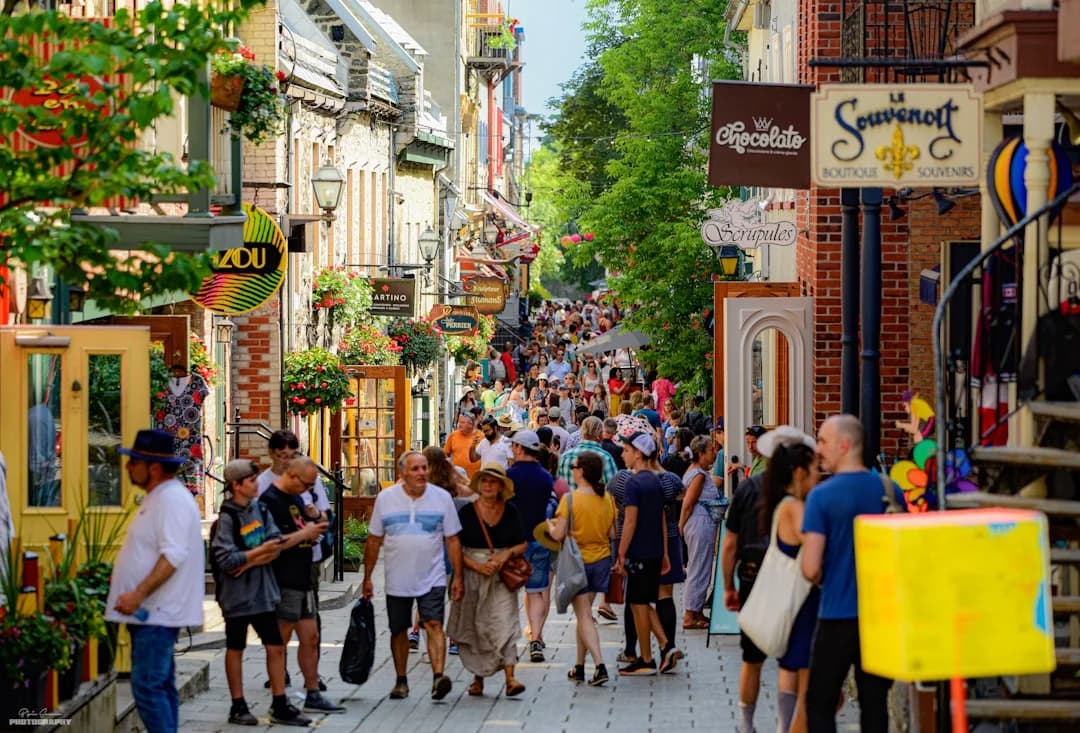
Photo by BIPIN SAXENA on Unsplash
Montreal is shaping up for a landmark summer season in 2026. On May 5, 2026, Tourisme Montréal announced that as the city enters its summer season, indicators point to growth across all markets, a more diversified visitor base, and strong demand for the destination. The release framed a season that now spans May through October, anchored by a robust mix of leisure, business, and sports tourism, with occupancy projections and new international links signaling healthier-than-average travel activity. The message, issued as part of a broader international campaign, underscored that this summer is designed to be more dynamic and accessible than in recent years, with a deliberate emphasis on storytelling that puts visitors at the center of Montréal’s summer experience. This is not just about more tourists; it’s about a broader mix of travelers from Canada, the United States, and international markets and a longer, more evenly distributed events calendar that stretches across neighborhoods and seasons. The organization also highlighted a new, visitor-centric creative platform—“Prochaine saison à Montréal / Next Season in Montréal”—designed to invite travelers to author their own Montréal adventures. (newswire.ca)
In practical terms, the announcement identified concrete near-term indicators: a targeted 5% growth across Canadian, U.S., and international markets; hotel occupancy expected to average around 80% from June to September, with peaks near 85%; and a continued push to connect Montréal with more direct international routes. Tourisme Montréal stated that Montreal’s direct connectivity now includes 165 destinations, with new air links to cities such as Rio de Janeiro, Cleveland, Columbus, Catania, Dakar, Berlin, and Agadir. The organization framed Montréal as an international hub with a diversified appeal that blends leisure, business, and sports events into a multi-month, cross-market tourism strategy. The May 5 release also highlighted a calendar anchored by marquee events and milestones, including the Canadian Grand Prix, the 150th anniversary of Mount Royal, the 50th anniversary of the 1976 Olympic Games, and the 2026 UCI Road World Championships, all of which contribute to sustained visitation and tourism-related economic activity. The press material emphasized that the city is leveraging a balanced mix of events and partnerships to sustain visitation throughout the season and across markets. (newswire.ca)
Additionally, Tourisme Montréal signaled a strong outbound and inbound campaign cycle, with a broader international push and a visible presence in major markets like France, the Northeastern United States, and other Canadian regions outside Québec. The campaign places emphasis on visitors becoming stars of their own Montréal experiences, positioning the city as a stage where festivals, culinary discoveries, and spontaneous moments unfold. The CNW release notes a notable strategic footprint in New York’s Penn Station as part of the campaign, aiming to raise visibility and drive day trips and longer stays alike. This marketing approach is designed to complement Montréal’s existing festival economy and its reputation as a destination where high-profile events and everyday discoveries coexist. (newswire.ca)
Section 1: What Happened
Strong Growth Across Markets
Montreal’s 2026 summer season is being framed as a period of broad, multi-market growth. The Tourisme Montréal release emphasizes a forecast of 5% growth across Canadian, U.S., and international travel markets, signaling a more diversified visitor mix and greater resilience to market fluctuations in any single region. The organization points to an expanding network of air links that bolster Montréal’s status as an international gateway, including direct connections to cities across the Americas, Europe, and Africa. The direct destinations count is cited at 165, suggesting a notable expansion in reach that translates into improved accessibility for visitors from diverse geographic backgrounds. The occupancy forecast—expected to average around 80% from June through September with peaks around 85%—is presented as a sign of strong demand and a healthy tourism economy. These figures come from the May 5, 2026 press release. (newswire.ca)
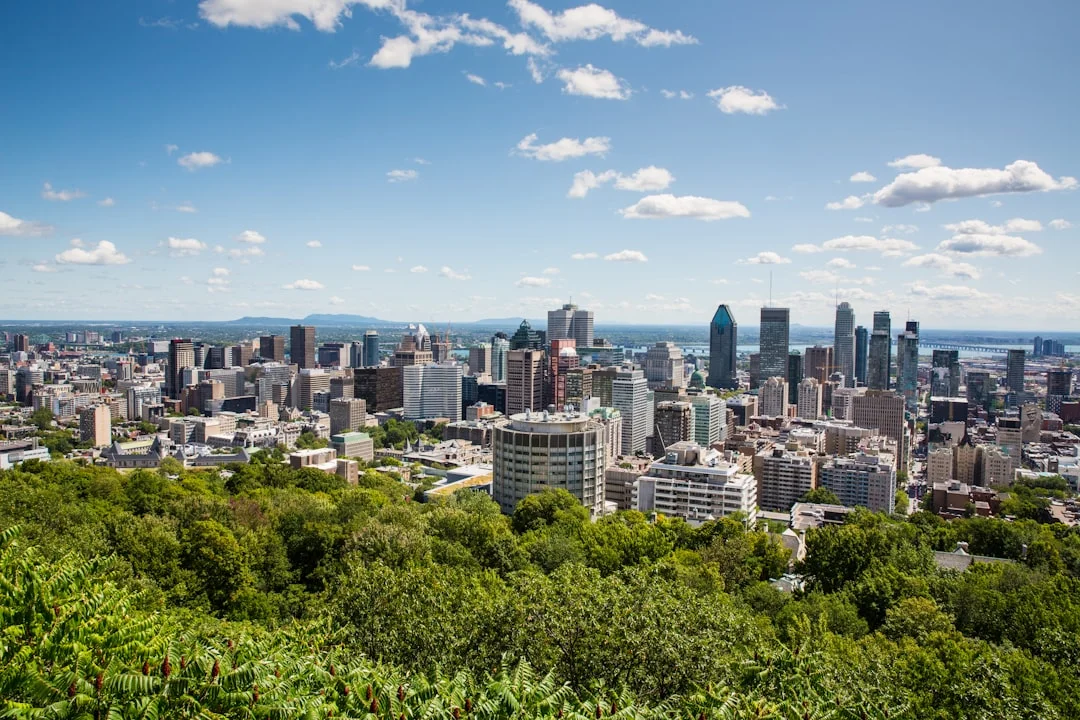
Air connectivity is a central pillar of Montréal’s summer strategy. The announcement enumerates new links intended to reinforce Montréal’s role as a year-round international hub, with examples including Rio de Janeiro, Cleveland, Columbus, Catania, Dakar, Berlin, and Agadir. The scale of this expansion, paired with the growth forecast, is designed to sustain a steady stream of visitors across months that historically concentrate activity in narrow windows. In short, the city’s approach is to convert new routes into longer stays and to convert those stays into broader participation in Montréal’s festival-and-culture ecosystem. (newswire.ca)
Expanded Season and Milestones
A key structural change highlighted by Tourisme Montréal is the expansion of the traditional summer window. The destination’s “summer season” now runs from May through October, rather than a shorter peak period, allowing events and experiences to stretch into shoulder months and to better align with varying travel patterns across markets. This longer calendar is designed to spread demand, reduce peak congestion, and provide more stable occupancy for local hospitality providers. The May 5 release explicitly notes this extended season as part of a broader strategy to balance leisure, business, and sports tourism across a longer timeline. The schedule is reinforced by a slate of high-profile events that center Montréal on the global festival circuit and major sporting milestones. (newswire.ca)
The lineup of canonical events anchors the calendar and creates predictable visitation triggers. The city will host the Grand Prix in early summer, followed by a stretch of music, arts, and cultural festivals that culminate later in the season. The Canadian Grand Prix is particularly highlighted as a flagship event that “kicks off” the summer and sets a tone of high-energy tourism activity. In addition, the press release points to the 150th anniversary of Mount Royal and the 50th anniversary of the 1976 Montréal Olympic Games as cultural-milestone occasions that drive international attention and local pride. The presence of the UCI Road World Championships further reinforces Montréal’s status as a world-class sporting destination, attracting visitors from multiple continents and generating substantial economic impact. (newswire.ca)
Concurrently, Montréal’s festival ecosystem remains a centerpiece of the summer strategy. Tourisme Montréal positions the city as one of the world’s most vibrant festival capitals, with hundreds of events spanning music, culture, food, and urban experience from May through September. The Jazz Fest, a longstanding pillar of Montréal’s summer calendar, is highlighted as a marquee experience that draws large crowds and broad attention. The 2026 edition is scheduled to run from June 25 to July 4, with hundreds of shows, thousands of performers, and millions of attendees anticipated across outdoor stages and indoor venues. This event narrative complements other major festivals such as Francos, Osheaga, MURAL, Piknic Électronik, and ÎleSoniq, among others. (mtl.org)
International Campaigns and Visitor Experience
Integral to the release is a distinct emphasis on visitor-centric storytelling through a marketing platform designed to place travelers at the heart of Montréal’s summer narrative. The campaign—“Prochaine saison à Montréal / Next Season in Montréal”—is described as a storytelling framework that invites visitors to become the protagonists of their own Montréal stays. The messaging strategy is intended to resonate across key markets with a mix of outdoor and experiential content, social media activation, and partnerships in strategic transit hubs. The announcement notes the campaign’s rollout in France, the Northeastern United States, and other Canadian regions outside Québec, with a visible presence in New York’s Penn Station. This cross-border, cross-market approach aims to funnel a steady stream of visitors into Montréal’s festival and cultural calendar, rather than concentrating visits around a handful of flagship events. (newswire.ca)
Section 2: Why It Matters
Economic and Tourism Market Impacts
The Tourisme Montréal release frames the 2026 summer season as a significant economic driver for the city, reflecting both demand strength and a broader physician of hospitality capacity. With occupancy projected to average around 80% across the June–September window and peak occupancy hitting the mid-80s, hoteliers and hospitality operators stand to benefit from higher ADRs (average daily rate) and increased ancillary spending across a dense festival and event calendar. The 165 direct destinations indicate a broader pipeline of travelers from diverse regions, enhancing Montréal’s resilience against market shocks that might affect any single region. The combination of expanded air links and diversified markets helps stabilize tourism receipts and provides a more predictable revenue base for hotels, restaurants, museums, and cultural venues. Almost every major festival—Jazz Fest, Francos, Osheaga, MURAL, and others—contributes to this economic fabric by driving incremental lodging, dining, transport, and entertainment spend, often across multiple districts of the city. (newswire.ca)
Moreover, Montréal’s multi-month event strategy places a premium on international visitors and business travelers who attend conferences and congresses adjacent to the city’s festival economy. The May release highlights a slate of international conferences and industrial congresses—the World Tunnel Congress, World Powder Metallurgy, the Goldschmidt Conference, and a notable international obstetrics/gynaecology gathering—that are expected to generate meaningful economic spillovers. These events help fill capacity in shoulder seasons and contribute to a broader “city as stage” narrative that helps maintain occupancy and visitor spending patterns beyond peak festival weeks. The emphasis on business events is consistent with the city’s broader strategic objective of balancing leisure tourism with meetings and conventions, thereby supporting a resilient tourism economy throughout the year. (newswire.ca)
Infrastructure, Connectivity, and Global Positioning
The expansion of Montréal’s direct flight network is a central element of the 2026 summer plan. The press release notes that Montréal continues to strengthen its role as an international hub through new air links, reinforcing its competitiveness relative to other major Canadian cities. The addition of routes to varied regions—spanning the Americas, Europe, and Africa—makes Montréal more accessible to a wider audience, potentially reducing travel friction and increasing the likelihood of longer stays tied to a festival or conference. This connectivity strategy aligns with a broader tourism pattern in which destinations leverage direct-travel access to unlock more stable and higher-value visitor flows, particularly from markets with high per-visitor spend and longer average stay durations. The numbers cited by Tourisme Montréal—5% market growth and 80% occupancy on average—are consistent with a broader market trend toward multi-market diversification and higher urban tourism intensity during summer months. (newswire.ca)
From a regional economic perspective, Montréal’s summer season gains also contribute to a larger urban vitality narrative. The city’s ability to host landmark anniversaries (Mount Royal, 1976 Olympics), alongside a world championship and major global conferences, helps reinforce Montréal’s identity as a cosmopolitan, culturally rich destination capable of delivering high-impact experiences for international visitors. In turn, that strengthens the city’s ability to attract private investment in hospitality, cultural infrastructure, and public amenities that support long-term tourism growth. The Montreal 2026 organizing effort around the UCI Road World Championships further underscores the city’s capacity to orchestrate complex, multi-venue events with broad regional participation. (newswire.ca)
Cultural and City-Wide Significance
Beyond the numbers, the 2026 summer season reinforces Montréal’s reputation as a living laboratory for urban culture, arts, and culinary innovation. The Jazz Fest, in particular, is highlighted as a cultural centerpiece with a long track record of attracting global audiences to outdoor and indoor venues. The event’s programming balance—featuring star-power headliners and abundant free outdoor programming—serves as a model for how a city can maximize both marquee appeal and grassroots participation. The Jazz Fest article notes that over 350 shows and 3,000 performers are part of the 2026 edition, with more than two million attendees. These figures illustrate the scale of Montréal’s cultural economy and its capacity to drive sustained visitor engagement across neighborhoods and sectors. The broader festival ecosystem—ranging from MURAL to Piknic Électronik to ÎleSoniq—continues to anchor Montréal’s seasonal tourism in creative, experiential, and accessible experiences that appeal to diverse traveler interests. (mtl.org)
Section 3: What’s Next
Upcoming Milestones and Calendar Highlights
With Montréal’s broader summer schedule now public, travelers and local stakeholders can anticipate a tightly choreographed calendar of milestones and milestones that will shape the city’s tourism economy from May through October. The Canadian Grand Prix is a key anchor in early summer, setting a fast-paced tempo for hotels, restaurants, and transportation networks as crowds converge on circuits and venues across the city. The Grand Prix is part of a broader ecosystem that includes the Jazz Fest (June 25–July 4, 2026), Francos de Montréal, Osheaga, and multiple neighborhood festivals that extend well into August and September. The Jazz Fest dates alone—June 25 to July 4, 2026—signal a substantial, concentrated influx of visitors who will also use the broader festival season to explore Montréal’s cultural districts, historic sites, and dining scenes. (mtl.org)
In September 2026, Montréal will host the UCI Road World Championships, a global cycling event that is expected to draw thousands of athletes, officials, and fans from roughly 75 countries. The event is scheduled to run from September 20 to 27, 2026, across multiple courses including a Mount Royal circuit and a grand-city finish that showcases Montréal’s urban landscape. The Montréal 2026 organizing committee confirms the scope and timing of the championships, underscoring the city’s capability to stage large-scale, international sporting events that complement its festival economy. This event is expected to generate substantial tourism activity and international media exposure, which in turn supports longer-term branding and market growth for the city. (montreal2026.org)
In addition to these marquee events, Montréal’s expanded direct-flight network and marketing campaigns point toward sustained momentum in the months ahead. The “Next Season in Montréal” concept, supported by a coordinated international marketing push, is designed to convert event-driven spikes into more consistent visitation and longer average stays. Observers should expect continued announcements of new routes, partnerships with cultural institutions, and updates to the visitor experience—ranging from new museum exhibitions to revamped festival programming and enhanced hospitality packages. The mayors, tourism agencies, and industry partners are likely to reveal quarterly performance updates as summer unfolds, offering a real-time view of occupancy trends, visitor demographics, and economic impact. (newswire.ca)
Next Steps for Travelers, Businesses, and Residents
For travelers planning a Montréal summer, the message is clear: expect a long, event-rich season with a diversified mix of activities across neighborhoods. The extended May–October window means more opportunities to pair festival attendance with sightseeing, culinary experiences, and local culture in a way that suits different travel timelines and budgets. It also means more dates for hotel rooms, restaurant reservations, and venue tickets, which may warrant early planning, especially for sold-out showings and outdoor events where demand often outstrips supply. Tourisme Montréal’s guidance suggests looking at a blended itinerary: blockbuster headline performances and festivals on peak weekends, coupled with midweek mornings in the Old Port, afternoon bike rides along the Lachine Canal, and evening performances at Quartier des Spectacles. (mtl.org)
For the hospitality sector and local businesses, the new data-driven, multi-market growth path implies a need for proactive capacity management and cross-portfolio marketing. Hotels, restaurants, and experience providers should consider aligning their inventory to festival calendars, creating bundled packages that combine transportation, lodging, and access to marquee events, and investing in multilingual marketing to appeal to the 165 direct-destination audience pool described by Tourisme Montréal. There is also a likely increase in demand for cultural and culinary experiences that showcase Montreal’s neighborhoods, which would support neighborhood-based collaboration, cross-promotion, and place-based hospitality offerings. The May 5 press release provides the framework for such collaborations, emphasizing a diversified, cross-market strategy designed to maximize visitation across a longer sharing window. (newswire.ca)
For residents and city planners, Montréal’s 2026 summer season signals a period of intensified activity that will require continued coordination across transit, safety, infrastructure, and public space management. The influx of visitors associated with major events can bring both opportunities and challenges, including traffic, crowd management, and demand on city services. By emphasizing long-season planning, cross-market outreach, and an expanded air-bridge network, Tourisme Montréal and partner agencies aim to distribute economic benefits more evenly and ensure that resident experience remains balanced with visitor demand. The collaboration across tourism boards, event organizers, and municipal agencies will be essential to sustaining this balance through the peak months and into the shoulder seasons. (newswire.ca)
Closing
Montreal is entering a summer season that is being framed as a milestone for the city’s tourism economy—a season defined by growth across multiple markets, a longer and more evenly distributed festival calendar, and a dynamic visitor experience that places travelers at the center of the story. With 165 direct destinations, new international air links, occupancy projections in the 80% range, and a calendar anchored by flagship events like the Grand Prix and Jazz Fest, Tourisme Montréal’s 2026 strategy seeks to sustain momentum beyond the traditional peak while inviting visitors to become co-authors of their Montréal memories. As the city rolls out its international campaign and continues to welcome conferences, sports championships, and cultural markers, observers can expect a steady stream of updates about travel demand, investment in hospitality, and the evolving tourist experience that makes Montréal a year-round destination. For travelers seeking the latest details, official Tourisme Montréal channels and partner event calendars will be the best sources for real-time information, with major milestones clearly signaling when and where to plan visits to Montréal’s iconic summer venues. (newswire.ca)