UCI Road World Championships 2026 – Montreal

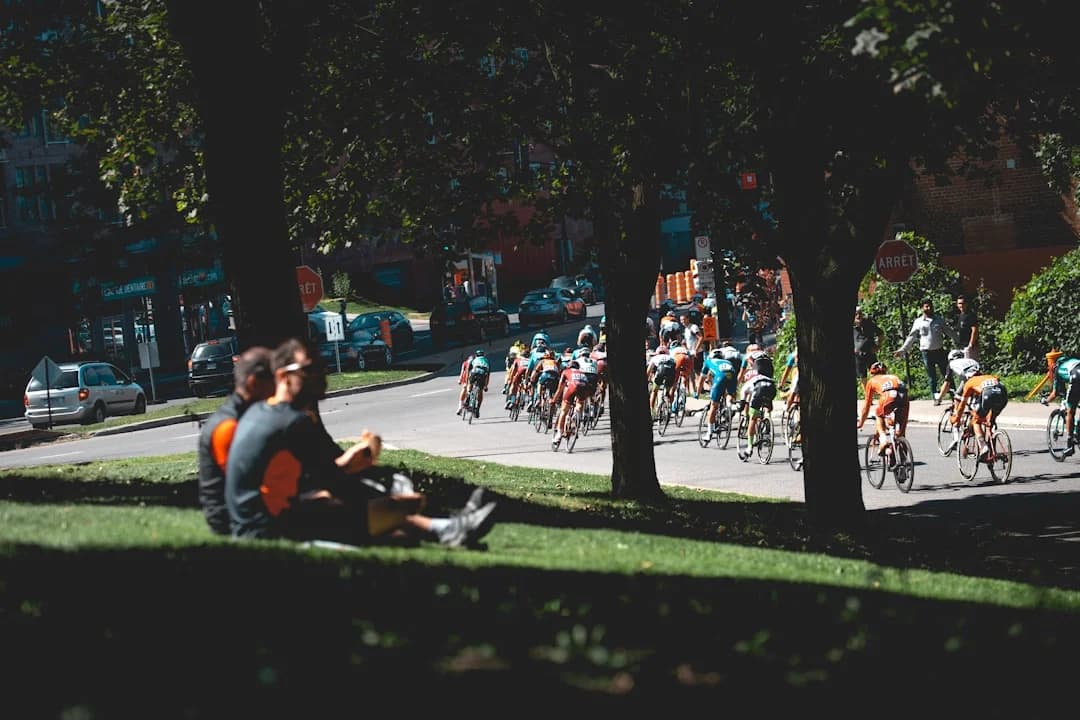
Photo by louis tricot on Unsplash
The UCI Road World Championships 2026 – Montreal is turning into a watershed moment for North American cycling, city planning, and the broader sports-tech ecosystem. From September 20 to 27, 2026, Montreal will host the eight-day event, bringing roughly 1,000 elite athletes from more than 75 countries to compete across 13 races. Organizers emphasize that this will be one of the city’s largest, most technologically integrated events in decades, with a global audience and a meaningful economic footprint. As Montreal positions itself as a hub for world-class cycling, the convergence of sports, technology, and urban infrastructure offers readers a unique lens to understand both the market dynamics and the tech-enabled capabilities behind a flagship event of this scale. The event marks a rare return to North American soil for the world championships after more than five decades, signaling a pivotal moment in the region’s sports economy and digital ecosystem. (montreal2026.org)
Readers should note that Montreal’s hosting of the UCI Road World Championships 2026 is being framed not only as a race calendar entry but as a catalyst for local technology adoption, tourism, and long-term cycling infrastructure. The organizing committee highlights that the event is free and publicly accessible for eight days, underscoring Montreal’s commitment to broad civic participation and a high public-engagement model. The UCI and city partners expect robust international media coverage, with a broadcast footprint reaching nearly 150 countries and hundreds of millions of viewers, reinforcing the event’s role as a global showcase for Canadian innovation and hospitality. (mtl.org)
Section 1: What Happened
Announcement and Official Confirmation
- In 2022, the UCI awarded the 2026 Road World Championships to Montreal, marking a return to Canada and confirming a long-term plan for a major cycling festival in the city. The announcement noted Montreal’s history with the event in 1974 and outlined a multi-year strategy to host a large-scale championship in 2026. The event’s eight-day program, with public access and a broad international audience, was framed as a major economic and tourism driver for Quebec and Canada. (cyclingcanada.ca)
- The local organizing committee (Mondiaux Montréal 2026) has led the event, in collaboration with the UCI and Cycling Canada, with substantial support from municipal and provincial partners. The plan emphasizes a broadcast-centric approach and a legible path to economic impact and international exposure. The numbers presented by Cycling Canada’s release include a program spanning eight days, free public access, about 1,000 athletes, more than 75 countries represented, and a broadcast reach of roughly 250 million TV viewers. (cyclingcanada.ca)
Key Dates, Venues, and Route Details
- Event dates: September 20–27, 2026. Montreal’s organizing calendar explicitly positions these dates as the official championship window, aligning with the broader WorldTour rhythm in the region. The Montreal 2026 site and Tourisme Montréal both confirm the September 20–27 timeframe. (montreal2026.org)
- Final Mont-Royal circuit and route structure: The routes are centered on a demanding 13.4-kilometer Mont-Royal circuit, complemented by a South Shore start that moves through Montérégie’s towns before converging on the Mount Royal finish. The men’s elite road race will total around 273.7 kilometers with significant elevation, while the women’s elite race will be shorter but equally demanding, following the shared finish on Avenue du Parc after passing through multiple communities. The final finishing loop and iconic climbs (including the Camillien-Houde and Polytechnique sections) will define the race drama across all 13 events. These route details were officially unveiled in Kigali on September 26, 2025, ahead of the Montreal event, and subsequently published by the organizing committee. (montreal2026.org)
- Start locations and scope: The elite men’s and women’s races begin in Montérégie, with the men traveling through seven municipalities before reaching the Mount Royal circuit; the women’s routes also traverse Montérégie towns but with slightly different course splits. The Montérégie cross-regional route is a distinctive feature of the Montreal edition, illustrating how the event blends urban circuits with rural and peri-urban landscapes. (montreal2026.org)
- Public engagement and scale: Montreal 2026’s plans emphasize public accessibility and a large spectator footprint. The event is described as free to the public, with substantial expected attendance and media attention, reflecting the city’s readiness to host a global audience across eight days and multiple municipalities. Tourism and city-branded outreach underscore Montreal’s role as a “cycling city” and a hub for sport-related investment in infrastructure and services. (mtl.org)
- Notable context and historic resonance: The 2026 championships are positioned as a 52-year anniversary moment for Montreal since the 1974 edition, which was the first Road World Championships held outside Europe. This historical arc is highlighted by Montreal’s official channels and Cycling Canada, reinforcing the city’s status as a long-standing stage for the rainbow jersey. (montreal2026.org)
Section 1 Subsections (2–3 subheadings)
Announcement and Official Confirmation
- The eight-day, globally televised event will bring about 1,000 riders and teams from more than 75 countries to Montreal, a testament to the event’s scale and appeal. The organizers emphasize the event’s broadcasting reach and spectator engagement, with hundreds of media outlets and millions of viewers expected worldwide. (mtl.org)
Route Reveal and Course Details
- The routes center on a 13.4-kilometer Mont-Royal circuit, with the South Shore start in Montérégie and a final finish on a Mont-Royal circuit featuring notable climbs and climbs (Camillien-Houde, Polytechnique) that riders will tackle multiple times. The route reveals also outline a shared time-trial circuit around Montréal for both the Men and Women Elite categories. (montreal2026.org)
Participation and Economic Scope
- The numbers driving the event’s scope—1,000 athletes, 75+ countries, eight days, and a broad economic and broadcast footprint—are frequently cited by organizers as the event’s core metrics. The official materials project substantial economic activity within Quebec and Canada, alongside large-scale tourism and media engagement. (cyclingcanada.ca)
Section 2: Why It Matters
Impact Analysis for Montreal and the Cycling Ecosystem
- Economic and tourism implications: The Montreal 2026 program is designed to be a major economic lever, with estimates of significant activity in Quebec and Canada and hundreds of thousands of spectators across the event window. The numbers framework emphasizes potential direct and indirect spending in hospitality, transport, and retail, alongside long-term branding benefits for Montreal as a cycling capital in the Americas. While exact multipliers vary by methodology, official sources point to hundreds of millions in potential economic activity and substantial job creation linked to the event’s operations and tourism spillover. The source material from Cycling Canada and the city’s organizers provides the baseline figures—1,000 athletes, 11 world-title events, and a broad international audience—while noting the event’s role in long-term growth for cycling in the region. (cyclingcanada.ca)
- Market implications for cycling technology and media: The Montreal edition is positioned to be a showcase for sports tech and media production. The organizers emphasize a high-tech approach to broadcasting, data dissemination, and fan engagement, including partnership with a virtual indoor cycling platform (MyWhoosh) to allow fans to train on the Mont-Royal circuit in a digital environment, underscoring how technology is integrated into the fan experience and athlete preparation. This aligns with a broader industry trend where major championships drive investments in streaming, data analytics, route simulation, and broadcast infrastructure. The UCI press materials and Montreal 2026 communications confirm the platform-agnostic, media-forward approach and the role of technology in enabling global access. (uci.org)
- Legacy and global cycling context: The event’s return to Canada after a 52-year hiatus is framed as a catalyst for regional cycling development, including legacy infrastructure, bike lanes, and urban mobility improvements that can sustain cycling demand beyond the championship window. The official materials stress Montreal’s status as a cycling-friendly city and its ongoing investments in cycling infrastructure, which is relevant for urban planners and mobility policy analysts assessing the long-term impact of mega-events. (cyclingcanada.ca)
- Global reach and media footprint: The 13-race program, broad geographic representation, and large broadcast audience emphasize a global stage for Montreal and Quebec’s cycling ecosystem. The event’s potential to attract international visitors, media attention, and brand partnerships aligns with market trends in sports tourism and event-driven economic development. The numbers cited by Tourisme Montréal and Cycling Canada—75+ countries represented and roughly 150 countries reachable via broadcast—underscore the scale and significance of the championship beyond sport alone. (mtl.org)
Technology and Operational Trends Shaping UCI Road World Championships 2026 – Montreal
- Data-driven race management and analytics: With a race program spanning eight days and 13 events, real-time data collection and analytics will be central to race operations, safety, and performance insights. The UCI’s course previews and Montreal’s route announcements indicate a heavy emphasis on route engineering and live data to inform decisions during the event. The official route materials and UCI press releases provide the framework for data collection and broadcast integration. (uci.org)
- Fan engagement platforms and training technology: The MyWhoosh integration signals a trend toward digitizing fan participation and athlete training experiences. Fans can interact with the Mont-Royal circuit virtually, expanding the reach of the event beyond on-site attendance. This aligns with a broader industry push to pair live sporting events with digital experiences, creating multiple touchpoints for sponsors, media, and fans. (uci.org)
- Broadcast and production scale: The Montreal edition is positioned as a major global broadcast event, with host broadcasting responsibilities and a large media footprint anticipated. The Cycling Canada communications and the event’s information bulletins highlight the scale of television and online distribution, which in turn influences production workflows, security planning, and digital rights management. The combination of live coverage and on-demand content is a central theme for mega-events in this era. (cyclingcanada.ca)
Section 2 Subsections (2–3 subheadings)
Economic and Tourism Impacts
- The eight-day program and public accessibility are designed to generate a peak tourist season effect, attracting visitors to Montreal and surrounding regions (Montérégie). The event’s scale—1,000 athletes, 75+ countries, hundreds of media professionals—supports lodging, dining, and transportation demand, with expected spectator turnout and international media exposure creating lasting branding value for the city and province. While exact regional multipliers vary by study, the official materials project substantial economic activity tied to the championship and related events. (cyclingcanada.ca)
Technology-Driven Event Experience
- The Mont-Royal circuit and the project’s digital legacies—bike lanes, event-ready infrastructure, and digital platforms for fan participation—illustrate how technology augments a traditional road race. The “free public event” model expands the audience and creates opportunities for data-driven audience targeting and sponsorship integration. The integration with MyWhoosh as a test platform demonstrates a growing trend toward hybrid physical-digital experiences that extend the championship’s footprint beyond race days. (uci.org)
Global Cycling Ecosystem and Market Dynamics
- The 2026 championships are not just a city event; they’re a global showcase for cycling technology, manufacturing partners, and media brands. The event’s scale attracts global sponsors, equipment manufacturers, and broadcasters, offering Montreal and Quebec a platform to highlight innovations in performance analytics, broadcast production, and event logistics. The numbers from official sources—1,000 athletes, 11 world-title events, and a large spectator base—underscore the market potential for sponsorship and technology partnerships around a marquee event. (cyclingcanada.ca)
Section 3: What’s Next
Upcoming Milestones and Next Steps
- Route and course integration progress: With the route details already unveiled, the next phase involves security planning, transportation logistics, and on-site infrastructure development to support eight days of competition across eight Montérégie municipalities and the Montreal core. The Sept 2025 Kigali route reveal provides a blueprint for ongoing operational planning and stakeholder coordination, including city services, transit agencies, and local communities. The Montreal organizers and UCI have published the route specifics, including the Mont-Royal circuit and the final parcours finishing on Avenue du Parc, which will guide race-day operations, road closures, and spectator access plans. (montreal2026.org)
- Partnerships and sponsorship activity: Partnerships have gradually been announced through 2025 and 2026, with major corporate partners joining the event as Official Partners or Main Partners. These partnerships are essential to funding the event, delivering the broadcast and digital experiences, and driving legacy outcomes in cycling infrastructure and youth development. The Montreal 2026 site and Cycling Canada press releases catalog several notable partner announcements and sponsorship milestones. (montreal2026.org)
- Public engagement and volunteer opportunities: The event’s public-facing approach, including volunteer programs and fan engagement activities, will accelerate as the date approaches. The official event site and partner pages highlight volunteer recruitment and community programs designed to maximize local participation and civic pride around the world championships. (montreal2026.org)
What to Watch For (Next 12–24 Months)
- Scheduling and broadcast windows: Major international championships typically trigger broadcasting deals, rights management, and streaming plans months in advance. Observers should watch for official broadcast partners, streaming platforms, and regional rights allocations as 2026 nears. The UCI and Montreal organizing committee have a track record of coordinating comprehensive media coverage, and the event is expected to be televised in nearly 150 countries with a broad global audience. (cyclingcanada.ca)
- Local infrastructure and mobility planning: The event will necessitate significant city planning around transit, road closures, and safety measures. Montreal’s status as a “bike city” and the Montérégie route network will likely drive long-term improvements in cycling infrastructure, with potential spillover benefits for residents and visitors alike. The data points from the Montreal 2026 program emphasize a strong legacy component and public-facing accessibility, signaling a broader urban-mobility strategy that extends beyond the championships. (mtl.org)
- The legacy narrative: As in many mega-events, the long-tail effects—new bike lanes, enhanced cycling education programs, and increased local cycling participation—will be a focus for policymakers and community groups. The project’s emphasis on the Mont-Royal circuit and the symmetrical finish across eight days positions the event to influence cycling culture in Montreal and the surrounding regions for years to come. (montreal2026.org)
Closing
The UCI Road World Championships 2026 – Montreal represents more than a set of races on a calendar. It is a strategic convergence of sport, technology, and urban development that could reshape how Montreal and the wider region engage with cycling, data, and global audiences. With eight days of competition, a route designed to test racers on the Mont-Royal circuit, and a public-friendly, broadcast-forward approach, the event is positioned as a landmark moment for Canadian sport and technology ecosystems. Stakeholders from city officials to broadcasters, sponsors to fans, are watching closely to see how the championship translates into long-lasting benefits—economic, infrastructural, and cultural—for Montreal, Quebec, and Canada as a whole.
As Montreal prepares to welcome the world, readers can stay updated through official channels including the Mondiaux Montréal 2026 site, Cycling Canada communications, and Tourisme Montréal’s event pages. The official statements emphasize routine updates, route specifics, partner announcements, and practical information for visitors and residents alike—information critical for businesses, media, and cycling enthusiasts seeking timely, accurate insights about the UCI Road World Championships 2026 – Montreal. (montreal2026.org)
If you’re planning to follow the race, you’ll want to keep an eye on the event’s official information bulletins and press releases, as well as the UCI’s route and schedule announcements, to align with background data and live developments. The combination of a robust broadcast plan, digital engagement initiatives like MyWhoosh, and a public-friendly format suggests a championship that leverages technology and logistics to deliver a compelling, accessible spectacle for audiences around the world. (uci.org)
Conclusion
The UCI Road World Championships 2026 – Montreal stands as a milestone in North American cycling, blending high-performance sport with advanced event technology, urban planning, and international market dynamics. With precise dates (September 20–27, 2026), a Mont-Royal-centric route, and a global audience, the championship will likely catalyze enduring benefits for Montreal and the broader Canadian cycling ecosystem. As organizers continue to unveil routes, partners, and engagement platforms, stakeholders—from city planners to advertisers—should monitor how the event translates into lasting infrastructure improvements, a solid tourism boost, and a renewed sense of momentum for cycling innovation in Canada. For ongoing updates, consult the official Montreal 2026 channels and partner organizations, which will provide the latest milestones, route details, and engagement opportunities. (montreal2026.org)