UCI Road World Championships Montreal 2026

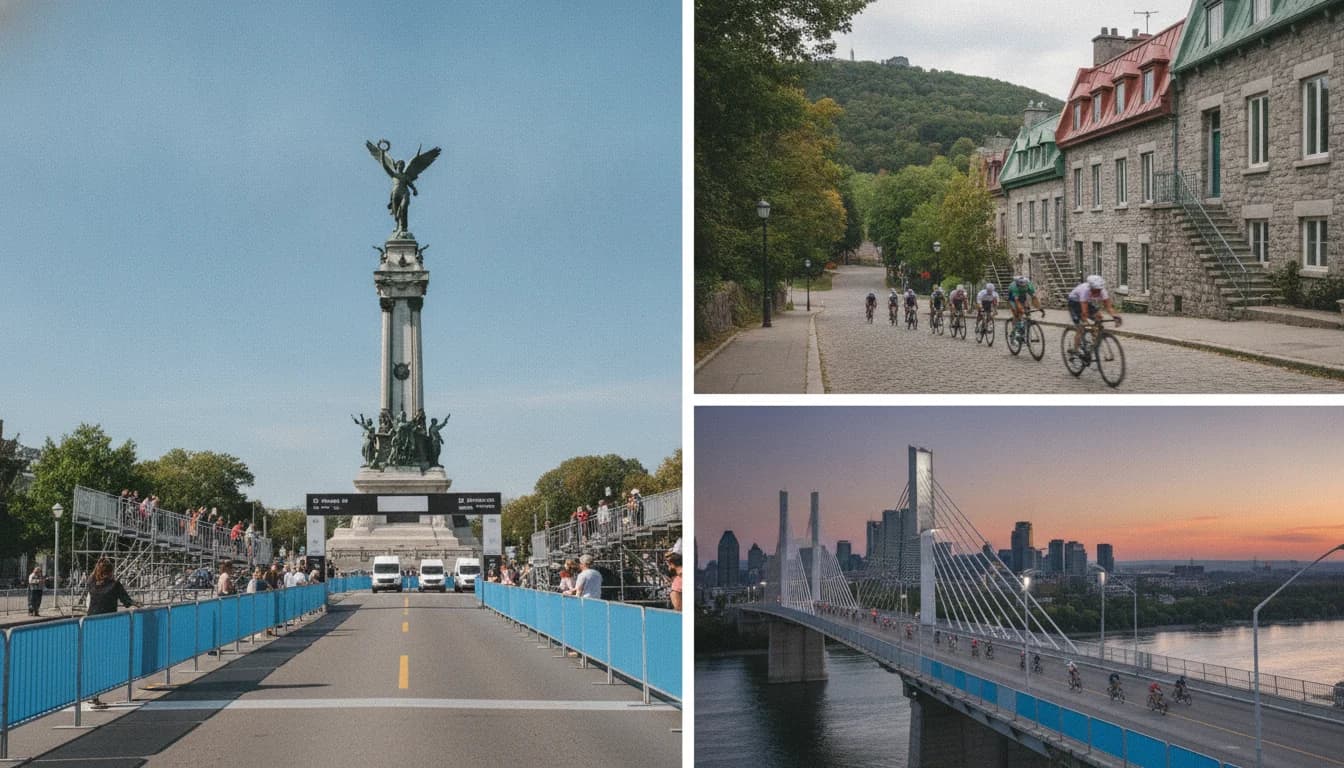
The UCI Road World Championships Montreal 2026 marks a pivotal moment for global road cycling and for Montréal’s role as a hub of sports innovation. As the event approaches in late September, the city and its partners are framing the race not only as a showcase of elite athletic performance but also as a proving ground for technology-enabled fan engagement, data-driven operations, and market opportunities tied to large-scale, sport-led urban events. Early indications from organizers and municipal officials emphasize a spectator-friendly footprint, a dense routes network across the city and surrounding regions, and a strategy that blends free public access with high-impact sponsorship and digital initiatives. The announcement and ongoing communications point to a multi-faceted event designed to maximize international exposure for Montréal while exploring how modern sports events leverage technology to improve safety, logistics, and viewer experience. (uci.org)
In the weeks and months since the official decision and subsequent route unveilments, Montréal’s organizers have provided a clear snapshot of what’s coming: a nine-day festival of world-class cycling with elite road races for both men and women, a robust partner ecosystem, and a public infrastructure program that aims to minimize disruption while highlighting Montréal’s urban landscape. The event’s timing places it squarely in late September, with official sources listing dates around September 20–27, 2026, though some city communications have shown slight variations. These date nuances will be important for media planning, travel arrangements, and local business calendars as the countdown continues. (uci.org)
What Happened
Event decision and host city
In a historic move that retraces Montréal’s cycling heritage, the UCI Road World Championships Montreal 2026 was awarded to the city, reinforcing Montréal’s standing as a global cycling hub. The organizing framework is led by the promoter behind the Grands Prix Cyclistes de Québec et de Montréal, with support from Cycling Canada, and aligns with the UCI’s broader calendar for 2024–2026. The official partners program and host-city commitments reflect the event’s long-range planning horizon and the city’s aim to present a high-profile, accessible world championship while leveraging Montréal’s urban infrastructure to support a large international audience. (uci.org)
Timeline and routes
Montreal’s organizers have published a route plan designed to maximize competitive challenge and spectator accessibility across the metropolitan area. The routes are designed to integrate with existing cycling venues and infrastructures that Montréal has used for major events in the past, while expanding the circuit to showcase a broader urban tapestry. A central feature of the planning is the Mont Royal final circuit—a 13.4-kilometer segment featuring notable elevation gain that the UCI has highlighted as a test for riders in the closing laps. The route and course details have been the subject of official briefings and a dedicated “200 days to go” communications piece that outlined circuit characteristics and testing opportunities for athletes and sponsors alike. (montreal2026.org)
From the outset, organizers framed Sept. 20–27, 2026 as the core window for the event, with promotional materials and official announcements repeatedly citing that date range as the centerpiece of the World Championships in Montréal. However, city communications and certain planning pages have sometimes listed Sept. 19–27 as the event span, underscoring the importance of travelers and local stakeholders verifying final schedules as the event draws closer. The variation in date ranges across official sources illustrates a common reality in large, multi-venue events where opening ceremonies, practice days, and broadcast windows can influence the precise calendar. (uci.org)
Logistics and access
One distinctive feature of the Montréal 2026 plan is the commitment to free admission for the public, a choice that aligns with the event’s philosophy of broad accessibility and mass participation. This approach is complemented by a carefully staged traffic management plan, with streets closed selectively for the race segments and only brief intervals of disruption in most corridors. Notably, Avenue du Parc is slated for more extensive closure windows to accommodate critical sections of the course, while most other streets are managed with temporary closures that minimize general disruption. These logistics choices are central to the event’s public-facing narrative and have implications for transportation planning, local business hours, and neighborhood access during race days. (montreal2026.org)
To support the event’s operational success and its fan experience, the organizers have also announced strategic partnerships that extend beyond traditional sponsorship. One high-profile example is MyWhoosh, a digital platform and indoor cycling partner that will be integrated as part of the event’s broader technology strategy. This partnership is framed as a way to connect fans who cannot attend in person with virtual training experiences, course simulations, and broadcast-quality data visualization. The collaboration with MyWhoosh exemplifies how contemporary world championships are layering in digital components to broaden reach and engagement. (uci.org)
Key facts and immediate impact
Several authoritative sources have confirmed the core structure of the Montréal 2026 World Championships: host city status for Montréal, a late-September dates window, a route plan featuring the Mont Royal circuit, and a policy of free public admission. The event also benefits from a strong sponsor ecosystem and a digital-forward engagement strategy that includes official technology partners and virtual training opportunities. The combination of physical routes, digital platforms, and open access positions Montréal 2026 as both a sporting showcase and a testbed for event technology and urban impact. (montreal2026.org)
Note on dates and schedules: Some official communications and municipal pages show Sept. 19–27, 2026, while others list Sept. 20–27, 2026. The UCI press materials confirm the broader window around Sept. 20–27 in the 2026 calendar, and promoter communications emphasize the Sept. 20–27 dates. As the event approaches, final scheduling will be confirmed by the host organizers and the UCI. (uci.org)
Why It Matters
Technological integration and data strategy
The Montréal 2026 cycle of events is being designed with technology as a core enablement layer, not an afterthought. The MyWhoosh partnership signals a broader strategy to connect remote fans with immersive competition experiences, while also enabling athletes and teams to rehearse the Mont Royal final circuit in a controlled digital environment. This alignment of hardware, software, and broadcast-ready data streams is a hallmark of modern world championships, where real-time analytics, augmented fan engagement, and scalable streaming capacity can influence audience size and sponsorship value. The collaboration with a major digital platform partner also points to a lasting shift in how major sports events monetize reach beyond the stadium and the course. (uci.org)
Beyond the sponsor and partner narrative, the event is being positioned as a data-informed platform for city-scale event management. The route planning, closure scheduling, and crowd management strategies are underpinned by analytics about traffic patterns, pedestrian flows, and safety protocols. Montréal’s municipal communications emphasize a careful balance: delivering a world-class athletic festival while preserving neighborhood access, minimizing long-term disruption, and leveraging technology to support efficient operations. This balance matters for future events in the city and for the broader practice of hosting large-scale competitions with high-tech overlays. (montreal.ca)
Economic and market implications
The World Championships typically function as a catalyst for tourism, hospitality, and local business activity, and Montréal 2026 is no exception. The event’s free-admission policy expands the potential audience, while high-profile sponsorships and official partnerships help attract international media coverage and sponsor activity. The event’s branding and digital storytelling—through platforms like MyWhoosh and related broadcasting initiatives—are expected to generate content-driven engagement that can translate into longer-term tourism interest and city branding opportunities. While precise economic figures are not published here, the combination of free public access and premium sponsor involvement signals a dual-track strategy designed to maximize both immediate attendance and sponsorship value. (montreal2026.org)
Urban planning and infrastructure implications
Montreal’s approach to road closures, event precincts, and street utilization provides a case study in balancing megasporting occasions with urban living. Officials have described a careful plan to close critical corridors during race windows and to limit disruption to residents and local businesses. The event’s footprint—covering multiple neighborhoods across Montréal and the surrounding region—offers a laboratory for how cities can stage major sports events while testing traffic mitigation, temporary infrastructure, and crowd management solutions. The experience gained from this cycle is likely to influence future planning for large events in North American markets and contribute to a growing body of best practices for host-city operations. (montreal2026.org)
Ethical and accessibility considerations: The decision to offer free admission reflects a policy choice to maximize public engagement, while the city’s communications emphasize accessibility and safety. Journalists and analysts will continue to watch how these elements balance with the needs of paid media rights, sponsorship commitments, and broadcast arrangements as the event unfolds. (montreal2026.org)
Broader context in the sport and tech landscape
The Montréal edition sits within a global trend toward technology-enabled sport experiences, where live data feeds, virtual participation options, and digital fan activations are becoming standard practice for flagship events. The UCI’s broader calendar confirms that Montreal is part of a multinational portfolio of world championships, with different host cities around the world contributing to a shared ecosystem of innovation, competition, and media distribution. As technology partners and sponsor ecosystems expand, the value proposition for cities hosting these events evolves from mere spectacle to a platform for digital media, data services, and consumer engagement strategies that extend well beyond race day. (uci.org)
What’s Next
Timeline and upcoming milestones
As the event date approaches, the countdown will intensify through official milestones, including final route confirmations, security and traffic management rehearsals, and broadcaster readiness checks. The UCI’s communications around “days to go” and route previews will continue to roll out, with increased visibility for athletes, teams, and sponsors. Montréal 2026’s own communications channels have been active with countdown updates, partner announcements, and route previews, signaling ongoing momentum as gaps between announcements narrow and on-the-ground preparations advance. The next major public milestones are likely to include finalized schedule blocks, city-wide traffic and safety briefings, and a complete event guide for residents and visitors. (uci.org)
What to watch for
- Final schedule confirmation: Public days, practice sessions, and race windows may be refined as organizers coordinate with the UCI and broadcasters. Expect updates in official channels and municipal notices as the window tightens. (uci.org)
- Route and safety clarifications: The Mont Royal circuit and surrounding race corridors will be subject to security planning and road-use adjustments. Observers should monitor official route maps and safety advisories for precise closures and detour instructions. (uci.org)
- Fan engagement and digital experiences: Partnerships with digital platforms like MyWhoosh indicate a commitment to immersive spectator experiences beyond the live course. Observers should track new features, virtual participation options, and data visualizations as they roll out. (uci.org)
- Local and international sponsorship activity: The event’s official partner ecosystem will evolve in the run-up to race week, with company announcements and activation plans shaping the event’s economic footprint. (montreal2026.org)
- Urban impact assessments: Government and municipal reports on traffic management, neighborhood access, and infrastructure readiness will offer insight into how host-city planning scaled for a major world championship and how those learnings inform future events. (montreal.ca)
Closing
The UCI Road World Championships Montreal 2026 is shaping up to be more than a cycling competition; it is a live testing ground for how cities, sponsors, and technology providers collaborate to deliver a major international event that is both accessible to the public and rich in data-driven insights. With a late-September window, a route plan that highlights Montréal’s urban fabric, and a technology-forward approach that includes virtual engagement channels, the Montreal edition stands to influence how future world championships are planned, promoted, and executed. For readers and stakeholders, the most important takeaway is that this event is being designed to blend world-class athletic performance with city-scale innovation, offering a blueprint for how to balance economic opportunities, urban livability, and digital experiences in a modern sporting era. Stay tuned to official channels and Montréal Times for timely updates on schedules, routes, safety guidelines, and new technology features as the countdown continues toward race week. (uci.org)
As Montréal prepares to host the UCI Road World Championships Montreal 2026, the coming weeks will reveal more about the event’s final calendar, route confirmations, and the exact scope of fan-facing technology initiatives. The convergence of sport, technology, and urban planning in this edition offers a rare, real-world glimpse into how major championships can drive innovation while delivering a compelling, accessible experience for residents and visitors alike. For readers following technology-driven market trends, the Montréal chapter provides a valuable case study in how data, platforms, and partnerships converge to elevate a traditional sporting event into a dynamic, multi-dimensional platform. (uci.org)
—