UCI Road World Championships Montreal 2026 News

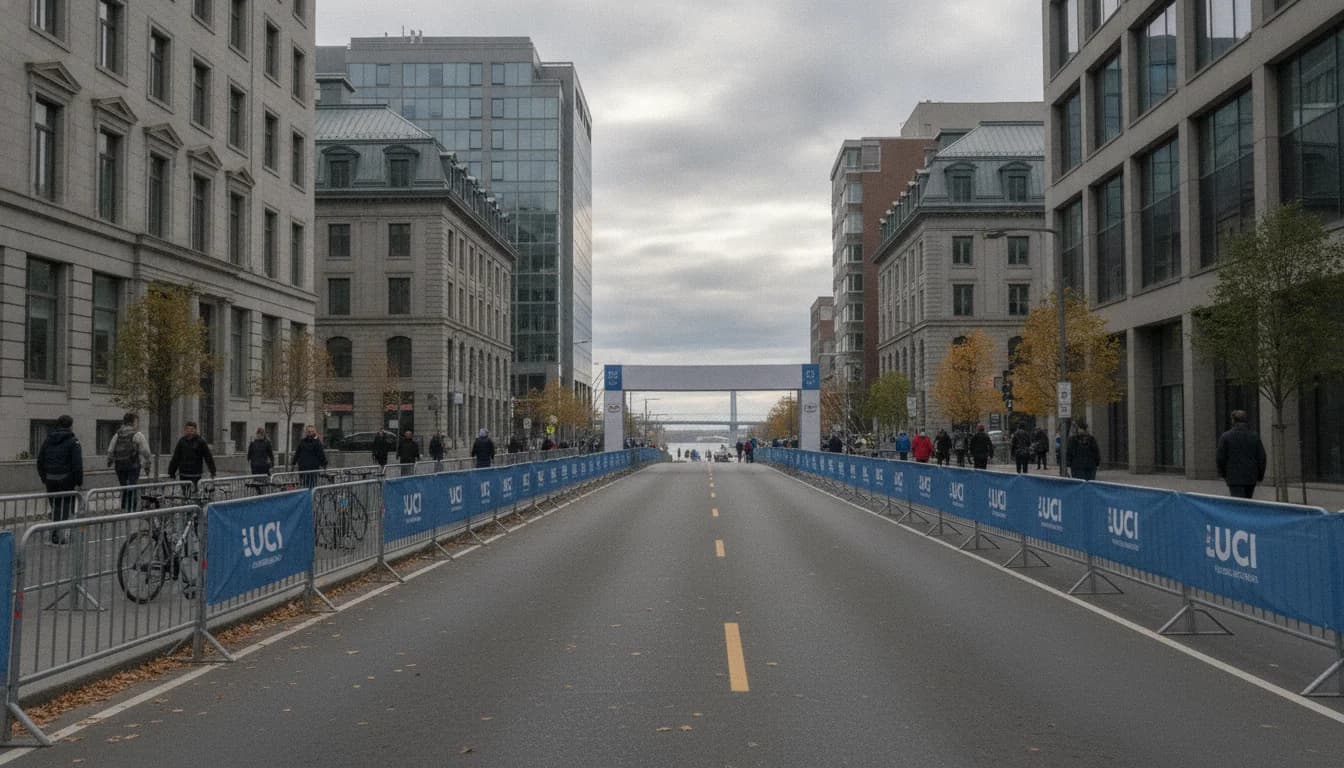
Montreal will host one of cycling’s most watched events of the year as the UCI Road World Championships Montreal 2026 takes center stage this fall. Organized across the city from September 19 to September 27, 2026, the event will feature a slate of road races, time trials, and fan experiences designed to showcase Montreal’s infrastructure, technology ecosystem, and hospitality capacity. This year’s edition marks a return to Canada for the world championships, underscoring Montreal’s growing role as a hub for major sporting events and innovative urban mobility demonstrations. The opening Beneva Bike Ride on September 19 will kick off a week of competition, with the elite men’s and women’s races scheduled to unfold on the streets of Montreal from September 20 through September 27. The city’s organizers emphasize a free-admission framework for many public-facing activities, a decision that aims to maximize accessibility for local residents and visiting spectators alike. (montreal2026.org)
Event organizers project a substantial international footprint for the Championships. In official materials and city communications, organizers highlight that the event will bring together athletes from more than 80 countries, with a roster that includes more than 1,000 competitors across junior to elite classifications. The mass participation element, combined with the world-class competitive field, is expected to generate a notable ripple effect on tourism, hospitality, transport, and related services in Montreal. City and tourism officials point to the event as a catalyst for showcasing Montreal’s digital infrastructure, transit planning, and crowd-management capabilities in a high-profile, globally broadcast setting. (mtl.org)
As part of a broader tech-forward focus, the 2026 Championships are being framed as an opportunity to highlight urban mobility innovations, data analytics in race logistics, and digital engagement platforms that connect spectators, teams, and broadcasters. The International Cycling Union (UCI) has signaled a strong emphasis on tech-enabled experiences, including partnerships with indoor and digital training platforms that allow fans and athletes to engage with race routes remotely. The UCI has publicly discussed course previews, route details, and a schedule that positions Montreal as a testbed for next-generation race delivery and spectator experiences. This context is shaping how technology and market trends will intersect with the event in real time. (uci.org)
Section 1: What Happened
Opening events and main race window
The opening ceremony and first public-facing activity for the UCI Road World Championships Montreal 2026 is the Beneva Bike Ride, slated for September 19, 2026. This event serves as a precursor to the competition that runs from September 20 to September 27, 2026, across Montreal’s road networks. In official materials, the city invites residents and visitors to participate in or observe a flowing sequence of road races and related events that will occupy central and outlying segments of the urban area. The official site and city communications consistently designate September 19 as the opening day, with the substantive championships running September 20–27. (montreal2026.org)
A focal point of the schedule is the start order and routing of the elite events. The elite women’s and elite men’s road races will begin from Quartier Dix30, with stage starts anticipated on September 26 and September 27, 2026, respectively. The schedule underscores the event’s culmination in high-profile, on-street courses that are designed to maximize spectator viewing and broadcast value while testing athlete endurance across Montreal’s varied terrain. This staged approach reflects both the scale of the championships and the city’s commitment to distributing events across multiple neighborhoods. (montreal2026.org)
In parallel with the road races, event organizers have worked to ensure the event window aligns with broader global cycling calendars, broadcasting deals, and spectator access. Industry outlets have reported the calendar alignment, noting a late-September window that fits within the global cycling season and positions Montreal as a late-season highlight for riders and fans alike. While exact local broadcast specifics may evolve, the intent is clear: bring the world’s best cyclists to Montreal for a week of competition, media coverage, and public engagement. (cyclingweekly.com)
Route preview and course details
A centerpiece of the Championships is the route design, including the Mont Royal final circuit. The UCI and Montreal organizers have circulated detailed course previews showing a 13.4-kilometer final circuit with about 269 meters of elevation gain. The design is intended to challenge riders with a combination of urban flats, short climbs, and technical corners that showcase Montreal’s topography and road engineering. The course preview highlights a testing climate for riders and an excellent platform for spectators along the Mont Royal corridor and surrounding neighborhoods. Fans and teams have been encouraged to study profile maps and elevation data to prepare for tactical decisions and pacing. (uci.org)
Beyond the Mont Royal circuit, routes are being unveiled through official channels and partner outlets, with organizers emphasizing transparency and accessibility. Route reveals are being paired with logistical planning for road closures, spectator safety zones, and digital trail mapping so fans can track progress across multiple race days. The emphasis on route detail aligns with a broader industry trend of using data-driven course design to optimize safety, broadcast value, and spectator experience. (montreal2026.org)
Organizers, partners, and supporting infrastructure
The Championships are organized by the Montreal-based promoter behind the Grands Prix Cyclistes de Québec et Montréal, with the UCI providing the international governance and event oversight. This collaboration reflects a long-standing relationship between city organizers, national cycling bodies, and the UCI that has produced multiple high-profile cycling events in Canada. The event also features partnerships that blend traditional sports sponsorship with new-media platforms, including indoor and virtual training ecosystems that can extend the fan experience beyond live venues. One notable example is the MyWhoosh indoor cycling platform, which has been referenced by the UCI as a pathway for fans and athletes to interact with course simulations and training insights ahead of the event. (uci.org)
In addition to the core governing bodies and promoters, local and regional institutions—including cultural and tourism organizations—are aligning to maximize the Championships’ reach. Montreal’s tourism agencies emphasize the event’s potential to showcase the city’s cultural offerings, transit networks, and hospitality capacity, while municipal communications focus on the synergistic benefits of hosting a world-class sporting event within a major North American city. These collaborations illustrate a broader trend toward integrating major sports events with local economic development and technology-driven visitor experiences. (mtl.org)
Section 2: Why It Matters
Economic and tourism impact
The UCI Road World Championships Montreal 2026 are positioned as a major driver for tourism and local business. City and tourism authorities project a notable influx of visitors attending races, ancillary events, and related hospitality activities. Industry analyses conducted by the city and partner tourism organizations emphasize potential benefits in hotel occupancy, dining, transportation, and entertainment sectors. The event’s free-admission components are designed to maximize public participation, which in turn supports local vendors, merchandise sales, and community engagement. While precise economic multipliers will be refined after the event, the early signaling from Montreal’s tourism ecosystem suggests a positive near-term impact across several sectors. (montreal.ca)
From a longer-range perspective, the Championships serve as a platform to elevate Montreal’s brand as a city that blends world-class sport with cutting-edge technology and sustainable urban planning. The event provides a live case study in integrating digital engagement, route analytics, and real-time broadcasting into a dense urban landscape. As broadcast reach and digital interactive experiences grow, the Championships may influence how future city-scale sporting events are organized, with lessons for transit, crowd management, and smart-city integration. (uci.org)
Technology and broadcast implications
Technology and market trends surrounding the Championships are already generating attention beyond the race itself. The UCI’s emphasis on course previews, elevation data, and route simulations aligns with a broader industry trend toward data-driven race management and fan engagement. Fans can expect enhanced digital overlays, live data streams, and interactive maps that enhance the spectator experience both on-site and via broadcast. The partnership with digital platforms such as MyWhoosh—described as a key indoor-training and engagement tool—illustrates how the event intends to bridge on-road performance with off-road engagement. This alignment reflects a broader market shift toward hybrid, technology-enabled sports experiences that blend live competition with virtual participation. (uci.org)
Broadcast strategy for the Championships is also a focal point. Global and local broadcasters have signaled multi-platform coverage, with traditional television arrangements complemented by streaming and digital rights that enable fans around the world to follow over the seven-day schedule. This multi-channel approach is consistent with how major UCI events have evolved in recent years, aiming to broaden reach, increase sponsorship value, and provide richer data-driven storytelling for audiences. Industry coverage notes that the 2026 edition will be a showcase for how European and North American broadcast strategies can converge to deliver a seamless spectator experience across time zones and platforms. (cyclingweekly.com)
From a market-analytics perspective, the event’s tech-forward orientation could influence downstream sectors, including sports tech startups, event management software providers, and city planning consultancies. The Montreal context — with a track record of hosting high-profile sporting and cultural events — positions the city as a testbed for smart-event concepts, sensor-based crowd management, and real-time transportation optimization. While exact commercial outcomes remain to be measured post-event, early indicators point to a robust data-enabled narrative around the Championships that local businesses and technology developers may leverage for future opportunities. (mtl.org)
Community and sustainability considerations
Large-scale events of this kind inevitably raise questions about community impact, traffic management, and environmental footprint. Montreal’s official communications emphasize the broader community engagement plan, including transit and mobility adjustments designed to minimize disruption while maximizing accessibility. The event’s free-admission approach is framed as part of a social inclusion strategy, enabling more residents to participate in the festivities and experience the city’s public spaces in a dynamic new context. In addition, municipal and regional partners are likely to publish sustainability and safety data in post-event reports, offering a model for transparent accountability and continuous improvement in future editions. (montreal2026.org)
Section 3: What’s Next
Upcoming milestones and road closures
As the September window approaches, a series of milestones will shape preparations and public communications. The opening day on September 19, followed by multi-day races culminating on September 27, will be accompanied by road closures, security planning, and transit adjustments designed to accommodate both participants and spectators. City and event organizers are expected to release route maps, closure schedules, and alternative travel guidance in the weeks ahead. Fans and residents should monitor official channels for the latest updates, including any changes to start locations, timing, or spectator zones that could affect daily commutes. (montreal2026.org)
In the lead-up to race week, course previews and training opportunities are likely to be highlighted by organizers and national cycling bodies. UCI communications and Montreal 2026 updates include opportunities to test road circuits on home trainer platforms and to participate in virtual simulations that mirror the on-road routes. This approach aligns with a broader industry trend toward blended physical and digital experiences that help fans, athletes, and sponsors engage with the event at multiple touchpoints. (uci.org)
How to watch, participate, and stay connected
For readers seeking to engage with the Championships, official channels will offer a mix of on-site experiences and remote viewing options. Montreal’s tourism and city portals emphasize a broad, accessible experience with free admission to many public events, and they outline candidate watch zones, spectator routes, and parking/ticketing guidance. For international audiences, the UCI schedule and networks will provide broadcast details, including times and platform availability across regions. As the event approaches, readers should confirm local viewing options, streaming availability, and any fan activities that align with their interests—whether they are cycling enthusiasts, technology observers, or everyday residents curious about the city’s role in a major global sports event. (montreal2026.org)
Closing
The UCI Road World Championships Montreal 2026 represent more than a week of elite cycling. They are a focal point for urban technology, data-driven event management, and a cross-section of tourism, commerce, and community life in Montreal. By combining a carefully designed route network with a robust broadcast strategy and modern spectator experiences, the event aims to demonstrate how a contemporary city can host a world-class sport event while advancing mobility, sustainability, and digital engagement. As the countdown continues, readers can expect ongoing updates on routes, schedules, and participation, alongside deeper, data-driven analyses of how technology and market dynamics are shaping what could become a benchmark edition of the Road World Championships in Canada.
For readers seeking ongoing coverage, Montréal Times will continue to monitor official releases from the UCI and the Montreal organizing committee, along with independent analyses from industry experts. Updates will focus on schedule adjustments, route announcements, security and transportation plans, and the evolving technology stack that supports live competition and fan interaction. The event is not only about the races themselves; it is a chance to observe how a modern metropolis pairs athletic excellence with digital innovation to deliver a compelling, accessible global spectacle.