UK CPTPP Accession Reshapes Markets for Montreal Tech

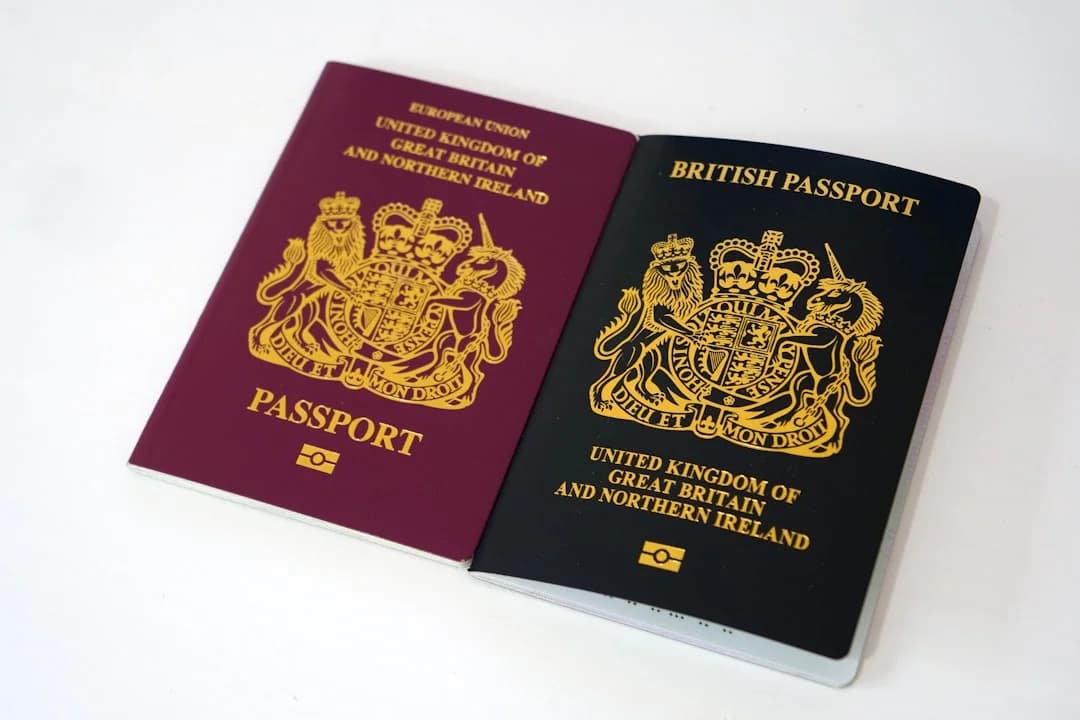
Photo by Ethan Wilkinson on Unsplash
In a development that could recalibrate North American and global tech trade, the United Kingdom’s CPTPP accession has moved from the negotiation phase into concrete, practice-ready coverage with partner markets. Market observers in Montreal and across Quebec are watching how the CPTPP framework—once a Pacific-anchored deal—now serves as a broader, rules-based platform for digital trade, services, and investment. The latest milestones show that the UK has been actively deepening CPTPP ties, with recent ratifications and phased implementations affecting Canadian exporters and the tech-enabled services sector in Montreal and beyond.
This data-driven update outlines what happened, why it matters for Montreal’s tech ecosystem and Quebec’s broader economy, and what’s next as new accession steps unfold across the CPTPP roster. The coverage reflects a neutral, analytical view, emphasizing measurable outcomes, timelines, and concrete policy signals from government sources and independent trade observers. The analysis also highlights how Montreal-based tech firms—particularly in software, fintech, AI, and digital services—could leverage CPTPP provisions on tariffs, rules of origin, and digital trade to expand market reach in member economies. As the CPTPP evolves, readers can expect ongoing coverage of new accessions, implementation dates, and sector-specific implications for technology and market trends.
What Happened
Timeline of key milestones
- 01 February 2021: The United Kingdom formally applied to join the CPTPP, signaling a strategic pivot to Asia-Pacific markets after leaving the European Union. This initial step set the stage for formal accession negotiations that would begin later that year. The government highlighted the potential to cut tariffs and deepen service exports, including digital services and tech-enabled industries. (gov.uk)
- March 2023: UK accession negotiations were substantially concluded, setting the stage for formal accession protocol signing. This milestone reflected a high-standard, rules-based approach designed to align CPTPP disciplines with the UK’s regulatory framework and growth priorities. (business.gov.uk)
- 16 July 2023: The UK signed the accession protocol to CPTPP, a formal step toward membership. The signatory action marked a turning point in UK trade policy, signaling readiness to integrate with one of the world’s largest, most modern free-trade blocs. (business.gov.uk)
- 15 December 2024: The United Kingdom officially joined CPTPP as a member, marking the practical entry into force of the agreement for UK trade. This milestone positioned the UK within a 12-member network delivering streamlined rules for digital trade, investment, and cross-border services. (business.gov.uk)
- 22 June 2026: CPTPP entered into force between the UK and Mexico after Mexico ratified the UK accession, enabling formal application of CPTPP provisions to bilateral trade and expanding tariff preferences for UK exporters to Mexican markets. This marks the first explicit, country-pair implementation date under the UK’s CPTPP accession. (questions-statements.parliament.uk)
- 30 June 2026 (reported milestones): Preparatory discussions for further accession expansion began with the Philippines, Indonesia, and the United Arab Emirates, signaling CPTPP’s ongoing growth trajectory and its potential to broaden Canadian, North American, and global trade links. This development was announced during the 10th CPTPP Commission Meeting. (gov.uk)
- 3 July 2026: Canada announced its ratification of the United Kingdom’s CPTPP Accession Protocol. Canada’s ratification reinforces the trans-Pacific framework and sets the stage for a future in-force arrangement between Canada and the UK once Canada’s entry into force is triggered. (canada.ca)
- 1 September 2026 (anticipated): The Canada–UK CPTPP accession is expected to take full effect with Canada’s ratification and subsequent entry into force, completing the current stage of the UK’s broader CPTPP expansion. While dates can shift with intergovernmental processes, the Canada ratification status foregrounds the ongoing, multi-year alignment across member economies. (canada.ca)
Key facts and current status
- The CPTPP comprises 12 economies, including Australia, Brunei, Canada, Chile, Japan, Malaysia, Mexico, New Zealand, Peru, Singapore, Vietnam, and the United Kingdom. The integration of the UK into this bloc creates a critical, rules-based framework spanning Asia-Pacific and beyond, with a combined GDP that was reported at roughly £12 trillion as of the most recent public disclosures. The UK’s membership strengthens a network that covers a broad range of sectors, including digital trade and services. (business.gov.uk)
- As of 22 June 2026, the UK had formal CPTPP coverage with 10 CPTPP economies (Australia, Brunei, Chile, Japan, Malaysia, Mexico, New Zealand, Peru, Singapore, and Vietnam). Canada’s ratification was in progress, with the UK–Canada coverage contingent on Canada’s ratification date. The accession thus far reflects a phased, country-by-country implementation approach, not a single simultaneous entry for all partners. (business.gov.uk)
- Canada’s ratification on July 3, 2026, establishes a formal path toward a Canada–UK CPTPP relationship, with the September 1, 2026 date cited as the moment when Canada–UK coverage would become fully operative upon Canada’s formal entry into force of the protocol. This is a crucial step for Canadian businesses seeking broader Pacific economies and an expanded rules-based regime for cross-border data flows, procurement, and services. (canada.ca)
- Costa Rica’s accession process and the Costa Rican negotiation milestones were highlighted as part of the broader CPTPP expansion narrative, with negotiations concluded by May 6, 2026, pointing toward the bloc’s ongoing openness to new entrants. This signals the potential for further diversification of CPTPP markets in the Latin American region and for global supply chains that include Canadian and Quebec-based technology firms. (business.gov.uk)
- In late June 2026, the CPTPP Commission signaled preparatory talks with the Philippines, Indonesia, and the UAE, outlining a pathway for future expansion and signaling continued momentum for CPTPP’s role as a vehicle for high-standard, digital-era trade rules. This development is particularly relevant for tech exporters in Montreal and Quebec who look to new markets for software, services, and IP-enabled business models. (gov.uk)
What Happened — deeper details Timeline and formal milestones
- The UK’s accession process began in 2021, with formal aspiration to join the CPTPP and a schedule for negotiation objectives and scoping analysis. The government’s early communications highlighted digital trade rules and service sector opportunities as core benefits of CPTPP membership. (gov.uk)
- The UK’s negotiation phase culminated in 2023, with the treaty-accession protocol signed in mid-2023, laying the groundwork for national ratification and domestic legislation to integrate with CPTPP standards. This step created a pathway for the UK to become a CPTPP party in its own right, aligning with the bloc’s rules on trade in goods, services, investment, and digital trade. (business.gov.uk)
- December 2024 marked the formal entry into force of CPTPP coverage for the UK, enabling the application of CPTPP rules to bilateral interactions with signatory economies and signaling a transformative shift for UK-based exporters and service providers, including Montreal’s tech sector seeking access to CPTPP markets. (business.gov.uk)
- The 2026 timeline brought a series of complementary developments: Mexico’s ratification and the subsequent entry into force on June 22, 2026, which extended CPTPP coverage to the UK–Mexico bilateral relationship; Canada’s ratification on July 3, 2026, which positioned Canada to align with the UK in the CPTPP space and to push for a Canada–UK CPTPP coverage upon the September 1, 2026 date. These steps illustrate the multi-lateral, staggered nature of CPTPP expansion. (questions-statements.parliament.uk)
- Costa Rica’s accession talks wrapped up in May 2026, signaling a potential enlargement of the CPTPP universe and creating possibilities for additional cross-border collaboration in Latin America, technology services, and digital trade. This context matters for Canadian and Quebec technology firms exploring near-term or longer-term regional expansion. (business.gov.uk)
- The June 2026 ministerial signal of preparatory discussions with the Philippines, Indonesia, and the UAE marks CPTPP’s ongoing growth trajectory. While not immediate, these steps hint at a broader horizon in which North American tech ecosystems, including Montreal’s, could leverage CPTPP frameworks to reach new consumer and business markets. (gov.uk)
Key details unique to the accession timeline
- The UK’s March 2023 conclusion of negotiation activities, the July 2023 signing of the accession protocol, and the December 2024 formal joining date collectively show a deliberate, standards-based approach to integration. These steps underscore the seriousness with which the UK government treated CPTPP, including digital trade disciplines, investment protections, and rules of origin that can affect how Montreal-based tech and services firms supply customers in CPTPP economies. (business.gov.uk)
- The post-2024 landscape includes concrete, country-pair implementation dates that affect how Montreal tech exporters price and structure cross-border shipments and data flows. The Mexico date of June 22, 2026 is the first real-world implementation milestone; Canada’s date (September 1, 2026) remains a critical follow-on milestone that will influence the Canada–UK corridor within CPTPP. (questions-statements.parliament.uk)
- The composition of CPTPP—12 member economies—remains a defining feature for the scale and reach of Montreal’s tech export opportunities. The bloc’s combined size and 15% share of global GDP speak to the potential for large, multilateral market access gains across software, digital services, and cloud-enabled industries. This broader context helps Montreal firms map potential markets and partner ecosystems. (business.gov.uk)
Section 1: What Happened — official milestones and context
- Timeline alignment with broader trade policy: The UK’s decision to pursue CPTPP accession was part of a broader strategy to diversify trade, reduce tariffs, and align with digital trade norms that support cross-border services and data flows. This alignment was echoed by business-focused government resources and industry voices when accession negotiations began, and by late 2023 the country had moved through formal signing and ratification steps. (gov.uk)
- The 2024 joining milestone transformed the practical trade landscape, enabling UK businesses—across sectors including digital services and tech—to begin benefiting from CPTPP rules with member economies. For Montreal’s tech ecosystem, this means a potential for smoother cross-border service delivery and enhanced market access to CPTPP economies in Asia-Pacific and the Americas. The government’s public-facing materials confirm the December 2024 joining date and the CPTPP’s broad scope for goods, services, digital trade, and investment. (business.gov.uk)
- The 2026 expansion to Mexico and the Canada–UK ratification dynamics illustrate the ongoing, phased approach to CPTPP expansion. Mexico’s ratification and June 22, 2026 entry point demonstrate an immediate, practical impact on trade flows between the UK and Mexico, including tariff preferences and rules of origin. Canada’s ratification in July 2026, with an anticipated September 1, 2026 in-force date, signals the next major step in a broader cross-Atlantic and cross-Pacific trade framework that Montreal exporters will need to monitor closely. (questions-statements.parliament.uk)
- Ongoing expansion discussions and potential new members: The CPTPP Commission’s June 2026 discussions indicated preparatory talks for the Philippines, Indonesia, and UAE, highlighting a future growth path for the bloc that could influence market access for tech firms and digital service providers seeking diversified regional exposure. This momentum matters for technology and market trends reporting in Montreal and across Quebec, where diversification strategies are often pursued in parallel with Canada’s own trade initiatives. (gov.uk)
Section 2: Why It Matters
What CPTPP accession means for Montreal’s tech sector
- Digital trade and data flows: CPTPP provisions on digital trade and data flows are a central feature for tech-based exporters. The UK’s accession to CPTPP and the bloc’s modern rules on digital trade help reduce friction for cross-border data transfer, cloud-based services, and software as a service (SaaS) offerings. For Montreal’s tech community, this can translate into more predictable regulatory environments and expanded opportunities to serve CPTPP markets without duplicative localization requirements. The UK government’s CPTPP materials emphasize the agreement’s digital trade provisions and its role in enabling cross-border data flows. (business.gov.uk)
- Services and investment: In addition to goods, CPTPP offers a framework for services and investment, which is particularly relevant to Montreal’s software, fintech, and digital marketing sectors. Canada’s own trade materials highlight that the UK’s accession complements the Canada–UK Trade Continuity Agreement and expands opportunities for Canadian services providers and investors within the CPTPP family. For tech and professional services in Montreal, this broadens the addressable markets and reduces barriers to scale. (canada.ca)
- Tariffs and rules of origin: For manufacturers and exporters in Quebec’s tech-enabled sectors, CPTPP’s duty-free or reduced-tariff treatment in many markets can improve competitiveness. The UK’s accession materials explain how rules of origin enable broader supply chain flexibility—an important consideration for Montreal’s hardware and software-enabled manufacturing or assembly ecosystems that rely on global parts and components. This can help reduce landed costs and boost cross-border competitiveness. (gov.uk)
- Market access growth and GDP-scale context: The CPTPP represents a major, high-standard trade framework spanning the Asia-Pacific region and beyond, with a combined GDP around £12 trillion in 2023 data cited by UK and partner materials. For Montreal’s tech sector, the scale of CPTPP markets is a compelling reason to monitor tariff and non-tariff opportunities closely, particularly as new members like Costa Rica, Philippines, and UAE move through accession processes. (business.gov.uk)
Which actors are affected and how
- Montreal-based exporters to CPTPP economies: The expansion into markets including Mexico (and, eventually, Canada’s other CPTPP partners) has immediate implications for pricing strategies, supply chains, and service delivery models in Montreal’s tech export community. The Mexico date confirms tangible changes to bilateral trade terms, tariffs, and rules of origin—factors that tech firms should reflect in market-entry planning and partner selection. (trade-tariff.service.gov.uk)
- Canadian and Quebec policymakers: Canada’s ratification shows alignment with a broader, evolving trade architecture that includes the UK, with potential interoperability considerations across procurement rules and standards. The official Canada press release underscores the strategic significance of CPTPP for Canada’s diversification strategy and for supply chain resilience. (canada.ca)
- Regional implications for North American tech clusters: While CPTPP’s core footprint is Pacific-anchored, the UK’s involvement creates a trans-continental layer of standardization that can influence regulatory expectations, data governance, and cross-border collaboration with Latin American partners that may become CPTPP participants (e.g., Costa Rica). The combination of Mexico’s entry into force and Costa Rica’s ongoing accession process highlights a more connected, global market environment in which Montreal tech firms operate. (trade-tariff.service.gov.uk)
Broader context and commentary
- The UK’s accession to CPTPP is part of a broader strategy to diversify trade partnerships beyond the EU and to anchor digital and services-led growth. The original application in 2021 and subsequent milestones reflect a policy emphasis on modernizing trade rules, enabling data flows, strengthening procurement access, and expanding services markets. These policy signals are especially relevant to tech ecosystems in Montreal, which rely on cross-border collaboration and access to a global customer base. (gov.uk)
- Stakeholder responses in 2021 highlighted the potential for lower tariffs and expanded markets for UK manufacturers and service providers, including tech sectors. Industry voices from the time underscored the importance of a robust SME framework within CPTPP, ensuring that smaller tech firms in markets like Montreal can participate in a high-standard trade regime without prohibitive barriers. While formal quotes from the 2021 period are historical, the intent remains a meaningful frame for interpreting the ongoing impact on Montreal’s tech community. (gov.uk)
Section 3: What’s Next
Next steps in the UK’s CPTPP journey and implications for Montreal
- Canada–UK alignment and activation: With Canada’s ratification in July 2026 and the anticipated September 2026 in-force date, Canadian exporters—including Montreal-based tech and AI firms—will gain fuller CPTPP access in bilateral terms with the UK. This alignment is expected to unlock smoother cross-border services, procurement channels, and potentially harmonized regulatory processes, which could accelerate collaboration between Montreal’s tech sector and markets across the CPTPP network. The Canadian government’s formal statement confirms the ratification and its significance for diversification and market access. (canada.ca)
- Ongoing expansion and new entrants: The CPTPP’s expansion trajectory continues, with Costa Rica’s accession process highlighted as complete in 2026 and the Philippines, Indonesia, and the UAE moving to preparatory discussion phases. For Montreal’s tech landscape, these developments could present new opportunities in digital services, software outsourcing, and cross-border partnerships as more economies participate under CPTPP rules. While these future entries are not immediate, their potential implications for Montreal tech and the wider Quebec economy are substantial and warrant careful monitoring. (business.gov.uk)
- Market access and sector-specific watch items: For Montreal’s tech sector, key watch items include: (a) how digital trade rules are implemented in new member economies and whether local data localization requirements evolve in ways that affect cross-border service delivery; (b) rules of origin adjustments that facilitate or constrain cross-border supply chains for hardware and software; (c) procurement opportunities in CPTPP economies where public sector markets are opened to foreign competition under CPTPP guidelines. UK government and partner country materials emphasize these dimensions as core benefits of CPTPP membership for tech-enabled sectors. (business.gov.uk)
What Montreal readers should watch in the coming months
- The Canada–UK CPTPP timetable and any implementing regulations: The date for Canada–UK CPTPP coverage to become fully operative (September 1, 2026) is a critical checkpoint for Montreal’s exporters, service providers, and investors who rely on consistent, predictable rules across CPTPP markets. The government statements and official timelines indicate the sequencing and the expected operational date, which readers should track through official channels for the latest updates. (canada.ca)
- Costa Rica’s ultimate inclusion and market openings: As Costa Rica moves through its accession process, Montreal’s technology firms may gain access to additional CPTPP markets and potential collaboration opportunities in Latin America and beyond. The ongoing status of Costa Rica’s entry signals a broader trend of CPTPP expansion beyond its original Pacific focus. (business.gov.uk)
- Philippines, Indonesia, and UAE accession discussions: While these are preparatory talks, their outcomes could broaden CPTPP coverage in Southeast Asia and the Middle East, potentially creating new routes for Montreal tech services, software distribution, and cross-border collaboration with Asia-Pacific and Gulf region markets. The June 2026 ministerial discussions reflect an ongoing growth story for CPTPP that readers should monitor through updated government advisories and CPTPP Commission communications. (gov.uk)
Closing
The UK’s CPTPP accession represents a meaningful shift in the global trade architecture that touches technology, services, and market access in ways that could benefit Montreal and Quebec’s tech ecosystem. With the UK already inside the CPTPP framework since late 2024 and new country-level implementations taking effect in 2026, Montreal’s technology exporters are watching how tariff preferences, rules of origin, and digital trade provisions translate into real business opportunities. The progressive expansion of CPTPP—with Costa Rica’s negotiations concluded in 2026 and new preparatory talks underway with the Philippines, Indonesia, and the UAE—suggests a trajectory in which Montreal firms might access a broader set of markets under a high-standard, rules-based regime. Observers will continue to monitor ratification timelines, implementation dates, and sector-specific guidance as these pathways unfold, and Montreal Times will provide timely, data-driven coverage to keep readers informed about what UK CPTPP accession means for the city’s tech economy and for Quebec’s broader market landscape.
In the weeks ahead, the Montreal technology community should prepare for a rolling set of updates, tariff calculations, and potential procurement opportunities as CPTPP provisions become fully operational with additional economies. Readers can stay updated through official government announcements, trade-focused briefings, and ongoing coverage of accession developments that affect cross-border technology trade, investment flows, and digital services across the CPTPP network. The intersections between UK policy, Canadian regulatory alignment, and CPTPP market access will continue to shape the competitive landscape for Montreal’s tech firms as they explore new routes to scale in a rapidly evolving global economy.