Vélo sous zéro 2026 Montreal transit February 15

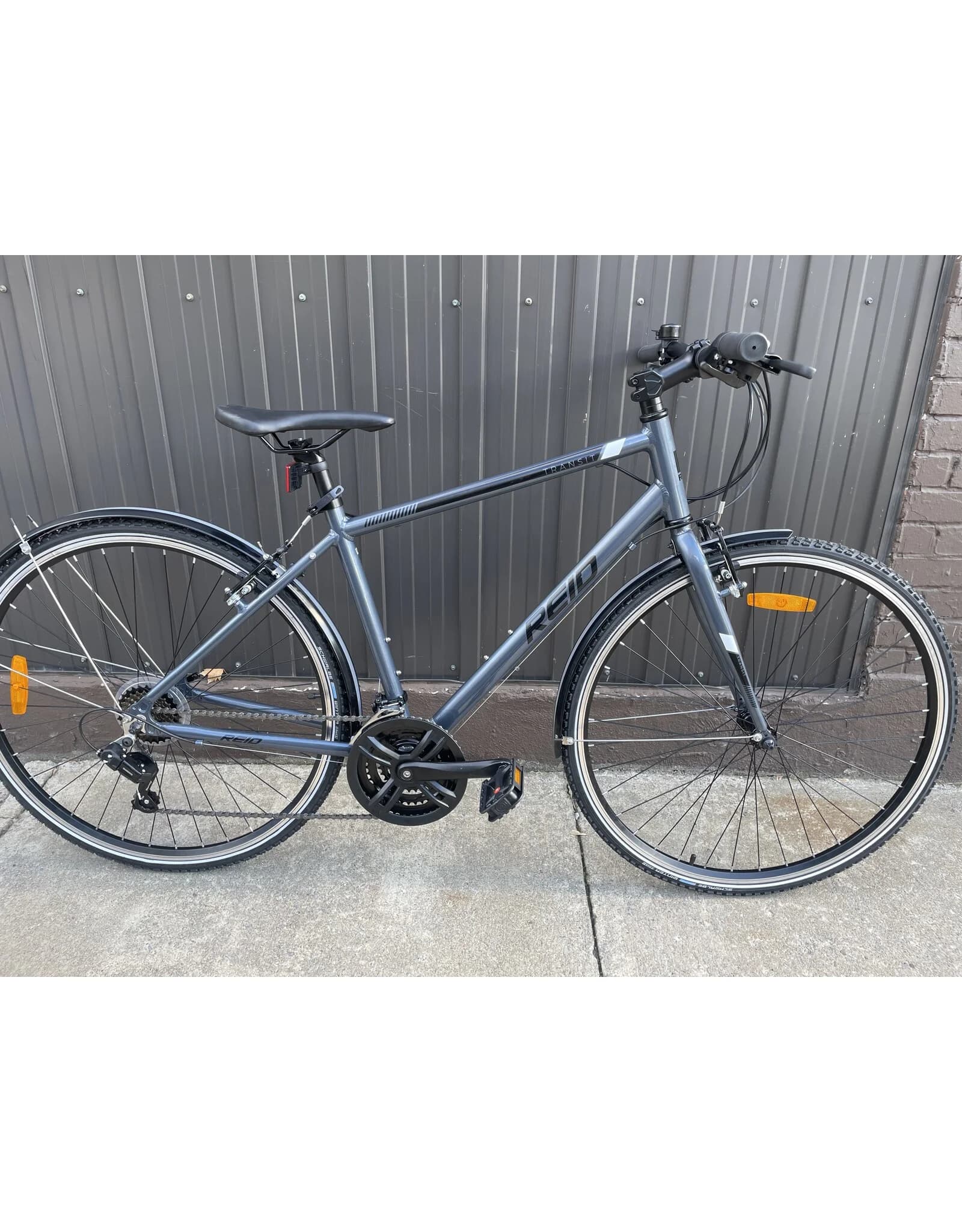
Montréal is bracing for Vélo sous zéro 2026 Montreal transit February 15, a winter cycling event that organizers say aims to showcase cycling four seasons in the city. The Société de transport de Montréal (STM) and partner agencies have issued a transit advisory detailing bus detours and timetable adjustments to accommodate the event while keeping people moving. The announcement underscores Montreal’s ongoing push to normalize winter biking as a legitimate mode of urban mobility, even when temperatures dip well below freezing. The event, which has historically drawn hundreds to thousands of cyclists, comes as city planners and transit operators continue to adapt infrastructure and services to a four-season network. This coverage provides a data-driven look at what riders can expect, how detours unfold, and what it means for daily mobility in a city that increasingly sees cycling as a year-round option. Vélo sous zéro 2026 Montreal transit February 15 is the focal point, but the broader context of winter cycling in Montréal remains essential for riders and policymakers alike. (stm.info)
What Happened
Event Details and Timing
Vélo sous zéro is back in Montréal for 2026, with the event scheduled for Sunday, February 15. The STM’s transit advisory notes that this year’s edition will require targeted bus stop detours and route tweaks to accommodate the 15-kilometer winter ride that unfolds largely along Montréal’s winter-friendly routes. The ad hoc detours apply on specific lines for a defined window on the morning into early afternoon of the event day. The explicit timing and detour windows come from the STM’s published changes for February 15, which outline the affected lines and the hours during which detours are in effect. The STM states that riders should consult updated timetables on the same-day apps or call STM-INFO for real-time details. For readers seeking the official transit directive, the STM page lists the exact lines, times, and detours below. Vélo sous zéro 2026 Montreal transit February 15 is the event date referenced by the transit advisory. (stm.info)
Bus Detour Highlights by Route
The STM advisory enumerates eight bus lines that will experience detours or temporary changes on the event day. Below is a concise, data-driven summary of the changes, drawn directly from the STM’s February 15 detour table:
- 11 Montagne: 9:30 a.m. – 12:30 p.m.; Detour: in both directions, the terminus stop temporarily relocated to Mont-Royal station; no service east of that station. (stm.info)
- 14 Amherst: 9:30 a.m. – 12:30 p.m.; Southbound detour on Saint-Denis (between Saint-Joseph and Cherrier) before Parc Lafontaine; Northbound detour on Saint-Denis (between Cherrier and Saint-Joseph), then on Berri to the Laurier station south-side terminus. (stm.info)
- 29 Rachel: 9:30 a.m. – 1:30 p.m.; Eastbound detour via Cherrier (Saint-Denis to Beaudry) and Sherbrooke to Emile-Duployé, resuming on Rachel; Westbound detour via Sherbrooke (Frontenac to Saint-Laurent) before Rachel. (stm.info)
- 47 Masson: 9:45 a.m. – 12:30 p.m.; Eastbound normal; Westbound detour on Saint-Joseph (Papineau to Berri) then resuming to Laurier station’s south side. (stm.info)
- 97 Mont-Royal: 10:30 a.m. – 1:30 p.m.; Eastbound normal; Westbound detour on Sherbrooke (Davidson to Frontenac) before resuming normal route. (stm.info)
- 136 Viau: 10:15 a.m. – 1:15 p.m.; Southbound detour on L’Assomption (Bellechasse to Sherbrooke) before resuming normal route; Northbound operates normally. (stm.info)
- 185 Sherbrooke: 10:30 a.m. – 1:30 p.m.; Eastbound detour is not required; Westbound detour on Sherbrooke between Viau and Bourbonnière before returning to the normal Sherbrooke route. (stm.info)
The above detours illustrate how the event day intersects with peak transit corridors in central Montréal, particularly around the Plateau-Mont-Royal, Parc Lafontaine, and surrounding neighborhoods. The detours are designed to preserve safe cycling conditions and reduce conflicts between motorized traffic and winter cyclists, while still serving transit users who rely on these routes for their daily commutes. Transit users are encouraged to check the STM’s apps for complete, up-to-the-minute timetables on February 15. (stm.info)
Public Communications and Resources
The STM emphasizes that riders should use the free iPhone and Android apps to access same-day timetables updated for events, and that 514-INFO remains available for questions and route-specific guidance. The advisory also notes that Vélo sous zéro is supported by municipal, provincial, and cycling organizations, reflecting a broader strategy to promote year-round cycling through infrastructure and programming. For readers seeking background on the event, Vélo Québec and ENvironnement JEUnesse have long partnered to make Vélo sous zéro an impactful winter cycling activity, with historical goals tied to demystifying cycling in snow and ice and encouraging four-season mobility in Montréal. (stm.info)
Why It Matters
Rider Impacts and Accessibility
The February 15 detours affect a broad spectrum of riders: daily commuters who rely on bus lines that intersect with the detour corridors, recreational cyclists who participate in or attend Vélo sous zéro, and residents who live near the rerouted streets. The detours are time-bound (roughly morning into early afternoon) and are paired with temporary changes to routes to preserve service continuity. The STM explicitly frames the changes as a measure to ensure public safety and to maintain reliable service during an event that epitomizes Montréal’s winter mobility culture. This approach mirrors the city’s broader commitment to a four-season transit network that accommodates cycling infrastructure while minimizing disruption to conventional bus service. The context for winter cycling in Montréal is well documented by Vélo Québec and municipal sources, which highlight ongoing investments in winter-friendly cycling networks and the social value of making biking a viable option year-round. (stm.info)
City Mobility Context and Winter Cycling
Montreal’s four-season cycling strategy is anchored in a network designed to support winter use, including dedicated corridors and maintained routes that respond to cold-weather demands. City and cycling organizations have consistently highlighted the evolution of winter cycling as a legitimate mobility option rather than a seasonal novelty. This context helps explain why events like Vélo sous zéro are coordinated with transit operators to balance public safety, rider experience, and city-wide mobility goals. Municipal communications emphasize practical tips for winter cycling, including equipment choices and safe riding practices, underscoring the city’s broader narrative that cycling can be practical even in snow and cold when supported by appropriate infrastructure and community programs. (montreal.ca)
Economic and Social Dimensions
Events like Vélo sous zéro not only promote cycling but also influence local businesses, tourism, and cultural programming tied to Montréal’s winter season. Historically, Vélo sous zéro attracted thousands of participants at its peak years and has been positioned as a community-building event that sits alongside Go vélo Montréal initiatives. The event’s economic ripple effect includes increased activity for bike shops, cafés, and nearby retail, particularly in central districts that align with the detour routes. While the STM detours are a necessary operational move, the broader social benefits—encouraging healthier habits, reducing car dependency, and showcasing a resilient city approach to winter—are central to the event’s rationale. Historical reports document participant counts and the event’s growth trajectory in its early years, providing a frame of reference for current planning. (tourismexpress.com)
Historical Perspective on Vélo sous zéro
Vélo sous zéro has deep roots in Montréal’s winter cycling culture. The first edition appeared around 2014, with organizers aiming to gather a few hundred participants and to demonstrate that cycling can be practical in winter. By 2015, reports indicated the event’s second edition could draw around 1,000 cyclists, signaling growing interest in winter cycling in Montréal. The event is organized by Vélo Québec in partnership with ENvironnement JEUnesse and supported by local sponsors, and it typically involves a 15-kilometer route that leverages the city’s winter-friendly network. This historical trajectory helps readers understand the event’s significance within Montréal’s broader mobility and cycling ecosystems. (velo.qc.ca)
Real-World Implications for Transit Policy
From a policy vantage point, Vélo sous zéro 2026 Montreal transit February 15 illuminates how transit agencies plan for event-driven disruptions while maintaining reliability. The STM’s detailed detour plan demonstrates a structured approach to balancing rider needs with event logistics. For policymakers and planners, the event provides a test case for how to coordinate street space, manage crowding, and communicate effectively about temporary network changes. The emphasis on real-time timetables, clear detour guidance, and accessible rider information aligns with data-driven transit management practices that prioritize transparency and predictability for riders. (stm.info)
What’s Next
Timeline and Next Steps for Riders
Looking ahead, riders should closely monitor STM apps and notifications on February 15 for updates as conditions evolve and detours are activated. The transit advisory also encourages riders to call STM-INFO (514-786-4636) for route-specific questions and to confirm operating details. The event’s organizers—Vélo Québec and ENvironnement JEUnesse—will likely continue to coordinate with city agencies to refine safety measures, signage, and outreach for future editions. For Montréal residents and visitors, the pattern demonstrates a growing expectation that transit and cycling infrastructure will adapt dynamically to seasonal events, reinforcing the city’s reputation as a four-season mobility hub. (stm.info)
Next Steps for Officials and Advocates
From a policy and advocacy perspective, Vélo sous zéro’s interaction with transit planning highlights several ongoing priorities:
- Enhancing winter maintenance of cycling routes and transit corridors to minimize disruption.
- Expanding real-time information channels for event-based detours, including multilingual guidance where applicable.
- Evaluating rider satisfaction and accessibility metrics during detour periods to inform future improvements. These topics align with the broader conversations around four-season mobility in Montréal and are likely to be revisited in municipal planning and cycling strategy discussions. Historical and current context from Vélo Québec and municipal sources supports these directions, underscoring a data-informed approach to mobility policy. (velo.qc.ca)
What to Watch For Beyond February 15
Even after Vélo sous zéro 2026 Montreal transit February 15, observers should watch for how transit agencies measure the event’s impact on ridership and service reliability, and whether timing or detour patterns become a template for future winter cycling events. With Montréal’s ongoing emphasis on four-season mobility, similar event-oriented detours could become a recurring feature on the transit calendar, prompting ongoing refinements to both road and bus network design. The STM’s emphasis on updated, event-driven timetables will likely persist, with riders advised to use official apps and helplines for precise, up-to-the-minute information. (stm.info)
What This Means for Montréal’s Transit Users
Vélo sous zéro 2026 Montreal transit February 15 marks a moment when winter cycling and bus mobility intersect in a high-frequency urban environment. The detours reflect a deliberate compromise between encouraging a popular seasonal activity and maintaining dependable public transit for everyday riders. The event’s organizers, Vélo Québec and ENvironnement JEUnesse, have framed Vélo sous zéro as a community-building, educational, and health-oriented experience that also serves as a practical demonstration of Montréal’s four-season mobility philosophy. For transit riders, the immediate takeaway is clear: on February 15, expect a more complex bus network during the window of detours, but also access to real-time updates that will help manage travel plans. (stm.info)
Closing
Montreal’s approach to Vélo sous zéro 2026 Montreal transit February 15 embodies a data-driven, publicly communicative model for city mobility. By coordinating with Vélo Québec, ENvironnement JEUnesse, and city agencies, the transit authority offers clear, time-bound detours while maintaining a focus on rider information and safety. This model aligns with Montréal’s broader efforts to normalize winter cycling as part of a four-season transit network, a stance well-documented by municipal planners and cycling organizations in recent years. For readers and commuters, the practical message is simple: plan ahead, check the STM apps for live updates, and approach February 15 with both curiosity and caution as the city demonstrates how winter mobility can work in a metropolitan setting.
If you’re planning travel on February 15, 2026, keep an eye on:
- The STM’s live timetables and notifications for the eight detoured routes listed in the transit advisory. (stm.info)
- Vélo Québec and ENvironnement JEUnesse updates for event context and safety tips related to Vélo sous zéro. (velo.qc.ca)
- City guidance on winter cycling best practices to stay safe while enjoying the city’s four-season mobility culture. (montreal.ca)
Ultimately, Vélo sous zéro 2026 Montreal transit February 15 offers a snapshot of Montréal’s evolving approach to mobility: a winter event that is not isolated from everyday transit, but rather integrated into a broader framework aimed at keeping the city moving, safely and efficiently, no matter the weather.