Just for Laughs 2026 Expansion Montreal-Quebec City Edition

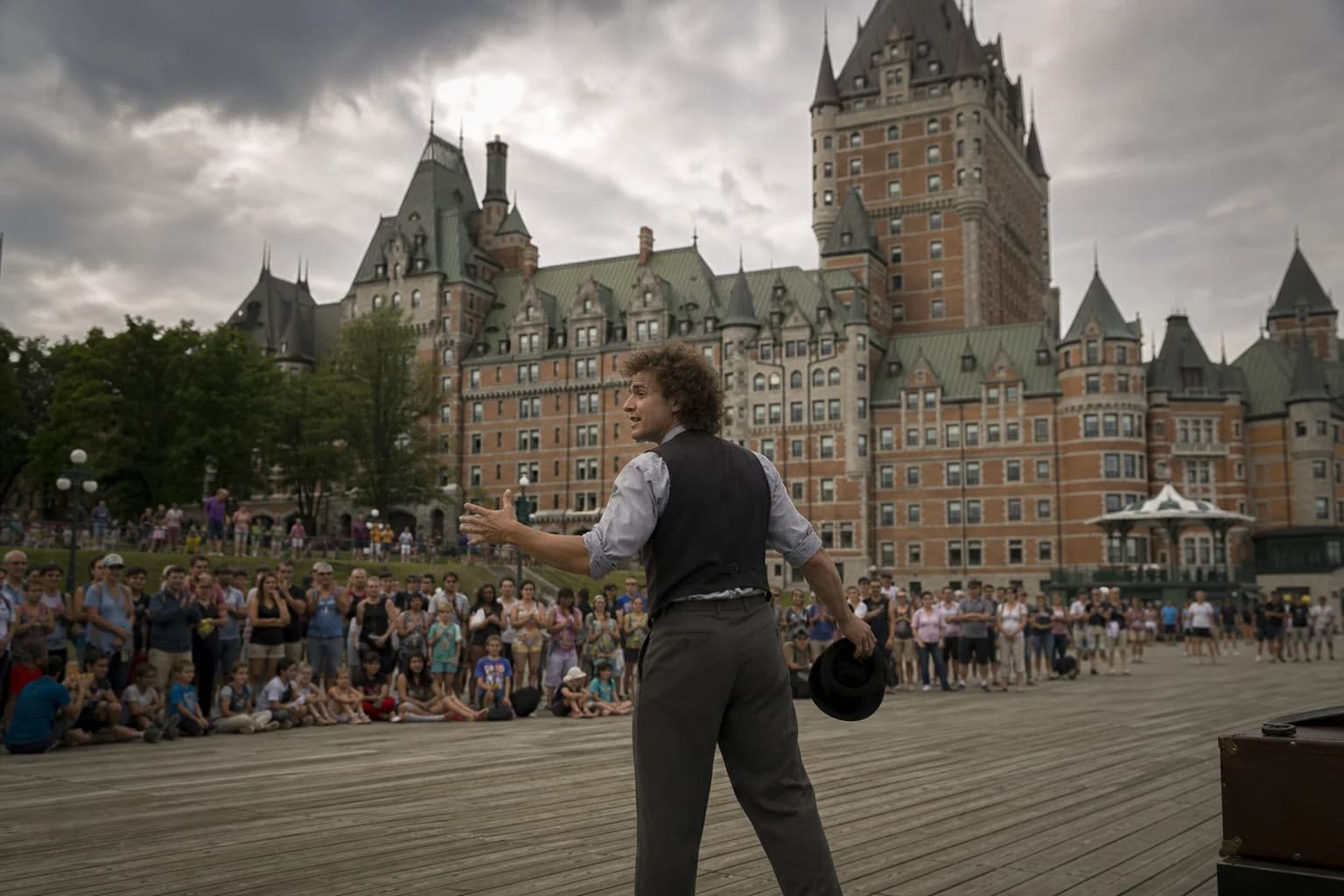
Just for Laughs is framing a bold new moment in 2026 with a two-market strategy that pairs Montréal and Québec City in a coordinated festival window. The Just for Laughs 2026 expansion Montreal-Quebec City edition marks a deliberate shift toward concurrent, cross-market programming that aims to maximize audience reach, sponsorship alignment, and cultural impact across Quebec. Officials confirmed a two-city run for mid-summer 2026, with Montréal hosting across a network of venues from the Quartier des Spectacles to major theatres, while Québec City stages a parallel program drawing on familiar venues and a rebranded footprint. This development signals not only a return to form after recent industry disruptions but also a test case for multi-market festival models in Canada. The two-city arrangement is designed to synchronize programming, logistics, and marketing to create a coast-to-coast Quebec experience that resonates with bilingual and multilingual audiences alike. The news matters for fans, artists, tourism boards, and local businesses that depend on summer visitation, as well as for festival operators looking to optimize production costs and sponsor value in a crowded entertainment market. In short, Just for Laughs 2026 expansion Montreal-Quebec City edition is a watershed moment for Quebec’s live entertainment ecosystem and a signal of the festival brand’s ambition to scale while preserving its essence of cross-cultural laughter. The overall context of this development helps explain why industry observers are watching closely how the two-city model will perform in terms of attendance, broadcast reach, and economic impact. As Montreal and Quebec City prepare to welcome performers and fans this summer, readers should expect a tightly choreographed sequence of announcements, ticketing breakthroughs, and cross-market collaborations that aim to maximize attendance, sponsor value, and the cultural impact of laughter. The official framing by festival organizers emphasizes a data-driven, audience-centric approach to scheduling and venue use, a trend that aligns with broader shifts in live entertainment toward hybrid experiences, digital integration, and analytics-driven operations. > “Cette année, Juste pour rire a réuni le monde entier au Québec autour de deux rendez-vous uniques et complémentaires. À Montréal comme à Québec, les artistes, les artisans et le public ont fait de cette édition une célébration mémorable. Nous avons confirmé hors de tout doute notre groupe comme un acteur mondial ayant un rôle de moteur culturel et économique. Nous avons posé les bases d’un avenir encore plus grand, plus fort et plus rassembleur.”— Sylvain Parent-Bédard, président et chef de la direction, Juste pour rire / Just For Laughs. (hahaha.com)
What Happened
Concurrent two-city rollout confirmed
In 2025,Juste pour rire / Just For Laughs announced a deliberate pivot to two simultaneous markets, investing in a coordinated schedule that would run Montréal and Québec City in tandem during the same window in 2026. The formal press materials and industry briefings outlined a plan to stage parallel programming across both cities, a strategy designed to maximize audience overlap while preserving the distinct flavors of each locale. The two-city approach is intended to leverage shared talent pools, brand strength, and sponsorship ecosystems to deliver a broader, more accessible Quebec-wide experience. Official communications highlighted the goal of “two festivals – common dates” in 2026, signaling a scalable model for future years. (hahaha.com)
Montréal edition: dates, venues, and scope
Montréal’s portion of the Just for Laughs 2026 edition is scheduled to run from July 15 to July 26, 2026, across a wide network of venues in the heart of the city’s festival district. Place des Arts and Place des Festivals anchor the outdoor and gala components, with additional programming at MTelus, Club Soda, Le Gesù, and other iconic venues across the Quartier des Spectacles. The Place des Arts calendar confirms a July 15–26 window for Juste pour rire Montréal, underscoring the city’s continued centrality to the festival’s global brand and its capacity to attract hundreds of performances and thousands of attendees. This breadth is designed to offer both marquee gala nights and broader, accessible shows across multiple neighborhoods and outdoor spaces. (placedesarts.com)
Québec City edition: dates, venues, and scope
Québec City follows with its parallel run, officially listed as July 22 to August 2, 2026 in city tourism materials and on the Juste pour rire Québec platform. Venues highlighted for Québec City include Place George-V, Grand Théâtre de Québec, L’Impérial Bell, Le Capitole de Québec, and the ComediHa! Club. This programmatic footprint mirrors Montréal’s multi-venue approach while adapting to the scale and rhythm of Québec City’s downtown entertainment corridors. Destination Québec cité’s listing for Juste pour rire Québec corroborates the July 22–August 2 timeline, reinforcing the two-city alignment in late July and early August. Some partner listings and press materials have cited variations extending into early August or mid-August in certain contexts, but the core official window remains July 22–August 2, 2026. (quebec-cite.com)
Rebranding and background context
The Québec edition is being presented under the Juste pour rire Québec banner, a rebranding of the prior ComediHa! Fest-Québec footprint that aligns with the Just For Laughs family and its global expansion ambitions. This branding shift is part of a broader strategy to consolidate the festival ecosystem under a single, recognizable umbrella while preserving local flavor and community partnerships. The two-city expansion in 2026 builds on the revival and restructuring that the festival underwent in the mid-2020s, a move that restored momentum and funded programming across multiple sites. (hahaha.com)
What the official listings reveal about scheduling
A close reading of official listings and festival communications shows Montréal’s edition running from July 15–26, with Québec City’s edition spanning July 22–August 2. The two-city structure is designed to maximize audience access and cross-market synergy, while preserving distinct festival identities in each city. The Montreal program emphasizes outdoor programming at Place des Festivals and gala productions at Place des Arts, while the Québec program emphasizes a mix of iconic venues and intimate clubs that align with the city’s festival culture. This scheduling approach is intended to reduce direct clashes with other major summer events while allowing for cross-pollination of talent and sponsor activations. (placedesarts.com)
Background numbers and scale
The two-city edition is framed as a major cultural and economic undertaking, with festival organizers signaling a substantial footprint across both markets. Representative figures cited in official and partner materials include a multi-year investment in the tens of millions of dollars, thousands of performances, hundreds of artists, and an expansive broadcast and digital footprint that supports the festival’s international reach. The two-city edition’s scale is also positioned as a driver of tourism and local business activity during the heart of Quebec’s summer season. These data points help illustrate the economic logic behind a coordinated cross-market launch. (hahaha.com)
Why It Matters
Economic impact and tourism amplification
The Just for Laughs 2026 expansion Montreal-Quebec City edition is positioned as a major driver for tourism and local economies in both Montréal and Québec City. Festival organizers have highlighted the event as a marquee cultural and economic catalyst, with projections of strong hotel occupancy, restaurant activity, and retail spend during the festival window. In 2025, the festival already demonstrated its power as an anchor attraction, and the 2026 two-city plan is designed to intensify that effect by synchronizing cross-market attendance and media exposure. The two-city approach also supports bilingual and multilingual audiences by coordinating programming across language communities, which could broaden audience reach and sponsorship appeal. While precise, city-specific multipliers vary by year, the scale of this operation positions it as a focal point for tourism marketing and cultural policy discussions in Quebec. (hahaha.com)
Sponsorship, media, and cross-market opportunities
From a sponsorship perspective, the two-city edition opens opportunities for bundled passes, cross-market branding, and multi-market collateral that can increase sponsor value and reach. Observers have noted the potential for joint passes and cross-promotional campaigns that stretch across Montréal and Québec City, leveraging the brand strength of Just for Laughs to attract national and international advertisers seeking bilingual and cross-cultural visibility. The multi-market cadence also invites media collaborations, cross-broadcast opportunities, and synchronized marketing campaigns that amplify the festival’s profile beyond a single-city concentration. This is in line with broader industry trends toward hybrid experiences, digital engagement, and data-driven optimization of ticketing and programming. (montrealtimes.ca)
Audience reach and bilingual strategy
A central strategic element of the two-city approach is its explicit targeting of bilingual and multilingual audiences. The dual-market cadence enables producers and marketers to design cross-language experiences, with programming and promotions tailored to both French- and English-speaking communities, as well as international spectators. Analysts point to the potential for more sophisticated audience analytics, cross-market data integration, and more precise marketing spend allocation as the festival harnesses data to optimize attendance and attendee satisfaction across two major Quebec markets. This emphasis on data-informed, audience-centric planning aligns with broader trends in live events where technology, analytics, and personalized experiences are increasingly central to success. (montrealtimes.ca)
Industry context and regional significance
The two-city model is also being interpreted as a broader statement about how Canada’s festival ecosystem can scale domestically while preserving local identity. Observers emphasize that concurrent scheduling could become a long-term feature if the logistics, costs, and audience demand prove viable. In Quebec’s cultural economy, Just for Laughs represents a high-profile platform for showcasing talent, attracting international attention, and reinforcing the region’s status as a global hub for laughter and media production. The collaboration between Montréal and Québec City, as well as the potential for future multi-market expansions, signals a broader pattern toward regional brand-building and cross-market cultural exchange. (montrealtimes.ca)
What's Next
Cadence of announcements, ticketing, and programming
With the two-city run formally established, readers and attendees can expect a staged cadence of announcements in the weeks leading up to the July start. In Montréal, headliners, gala hosts, and day-by-day lineups are typically disclosed progressively by festival organizers and partner venues, with outdoor programming and televised or streamed events rolling out in the run-up to July 15. In Québec City, venue confirmations, touring schedules, and bilingual programming details are anticipated to be released in a parallel timeline that keeps the two markets aligned while preserving local booking cycles. The cross-market release cadence will shape early consumer interest and ticket demand, which in turn informs venue allocation and hospitality planning across both cities. (placedesarts.com)
Cross-market partnerships and packaged experiences
Industry observers expect more than just parallel programming; they anticipate cross-market partnerships and ticket packages that incentivize fans to experience both Montréal and Québec City in a single travel window. Bundled passes, discount promotions, and sponsor activations could be designed to maximize cross-city attendance, leveraging the shared brand identity to create a seamless Quebec-wide experience. The two-city model provides a unique test bed for integrated marketing strategies, combining bilingual communications, cross-border talent bookings, and synchronized production pipelines that reduce redundancy and increase production efficiency. (montrealtimes.ca)
Potential path toward 2027 concurrency
Some industry coverage and expert commentary has speculated that the 2026 two-city run could set the stage for ongoing concurrency beginning in 2027, subject to the financial and logistical feasibility of maintaining two parallel but integrated programs. Observers and outlets have suggested that if the model proves sustainable, the two-city approach could become a standard feature of Just for Laughs’ growth strategy, with a unified branding and production framework across Montréal and Québec City. While not yet formally confirmed, this potential evolution is a focal point for analysts watching the festival’s longer-range trajectory. (montrealtimes.ca)
What to watch in the months ahead
As the festival window approaches, watchers should monitor official festival channels for updates on headliners, gala lineups, and venue confirmations in both Montréal and Québec City. In Montréal, the emphasis remains on high-profile outdoor programming and marquee television exposures, balanced with intimate club shows across multiple venues. In Québec City, the focus is on leveraging the City’s iconic venues to maintain a high-energy, culturally rich schedule that resonates with locals and visitors alike. Specialty programming, cross-market collaborations, and sponsor activations are likely to evolve in the weeks ahead as planners finalize operational details and refine audience engagement strategies. (placedesarts.com)
What’s Next (Continued)
Technology and data-driven enhancements

The two-city edition is expected to feature technology-driven enhancements to improve access, throughput, and experience. Industry analyses suggest enhancements in digital ticketing, cashless payments, RFID-enabled entry flows, and real-time analytics to optimize crowd management and safety. For Just for Laughs, the dual-market setup also creates opportunities to test cross-market audience analytics, tailor lineups to regional demand, and deploy targeted digital marketing to bilingual and diverse audiences across Montréal and Québec City. While the exact technology stack remains proprietary, the sector-wide trajectory points toward more integrated, data-informed approaches to event production and attendee engagement. (montrealtimes.ca)
Impact on local communities and businesses
The festival’s two-city expansion will influence local hospitality, transit planning, and small businesses, particularly those in the tourism and service sectors that rely on summer influxes of visitors. City tourism organizations and cultural agencies have long viewed Just for Laughs as a flagship event with broad spillover effects—from short-term job creation to increased retail activity and amplified media exposure. As planners finalize the two-city program, stakeholders in Montréal and Québec City are expected to coordinate on infrastructure, safety, and public programming to maximize positive outcomes for residents and visitors alike. (quebec-cite.com)
International and national positioning
From a broader perspective, the two-city edition reinforces Just for Laughs’ status as a global comedy brand with deep roots in Quebec’s cultural landscape. The cross-market approach aligns with the organization’s history of international expansion, including ventures in other cities and markets, while anchoring the festival’s core identity in Montreal and Quebec City’s shared heritage. Observers see this move as part of a longer trend of large festivals exploring multi-market formats to stabilize attendance and improve sponsor value across competitive entertainment seasons. (hahaha.com)
Closing
The Just for Laughs 2026 expansion Montreal-Quebec City edition represents more than a scheduling adjustment; it is a strategic re-envisioning of how a flagship cultural brand can scale within a regional ecosystem. By coordinating Montréal and Québec City scheduling, venues, and programming, the festival aims to deliver a richer, more accessible experience for audiences while optimizing economic impact for cities and sponsors alike. The two-city model underscores the evolving role of data, technology, and cross-market collaboration in live events, a trend that will likely influence festival planning for years to come.
If you want to stay updated on the two-city run, keep an eye on official festival channels, Destination Québec cité, Place des Arts, and major Montréal tourism portals for the latest announcements on headliners, schedules, and ticketing. Cross-market fans should also watch for bundled passes or joint promotions that encourage exploring both Montréal and Québec City under the Just for Laughs banner, a development that could set a precedent for similar collaborations in Canada’s festival landscape.
As the summer unfolds, readers of the Montréal Times can expect ongoing, data-driven coverage that tracks attendance trends, venue performance, and sponsor activation in both markets. The Just for Laughs 2026 expansion Montreal-Quebec City edition is more than a festival; it’s a case study in strategic growth, regional branding, and the power of laughter to connect communities across geography and language.