Montreal dining openings 2026: New venues and trends

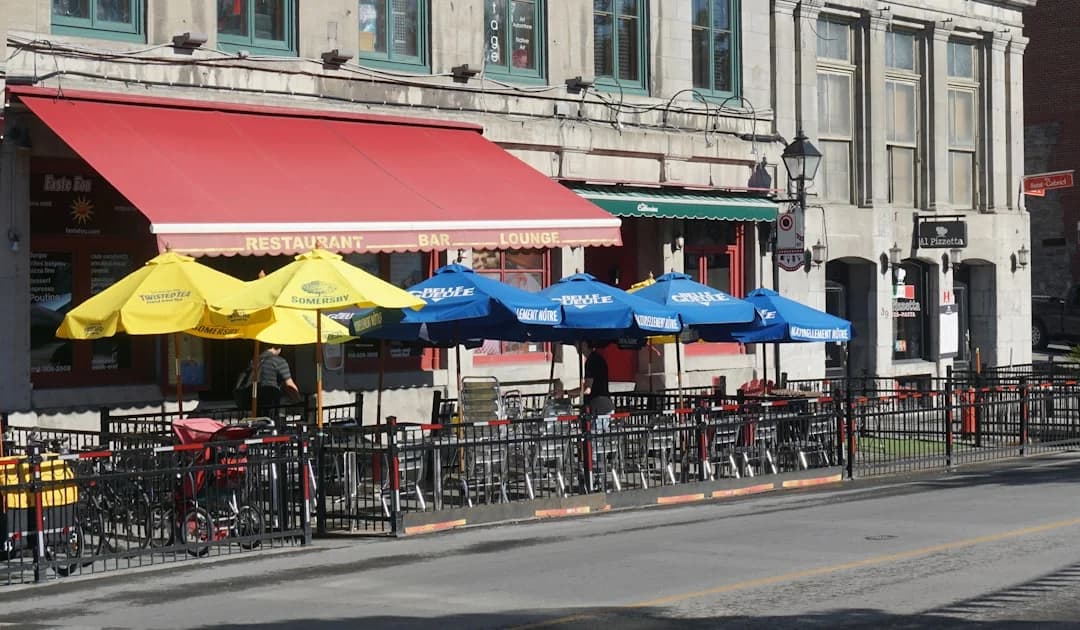
Photo by Roger Lipera on Unsplash
Montreal dining openings 2026 are shaping a notably dynamic year for the city’s culinary landscape, with Downtown, Mile End, Griffintown, and Old Montréal emerging as hubs of new concepts. As readers of Montréal Times and industry observers track the pace of openings, the early 2026 data point to a robust pipeline of restaurants, cafés, bars, and concept spaces that are redefining how residents and visitors alike experience dining in Montreal. This wave of new openings reflects a market that is not only expanding in volume but also diversifying in format, cuisine, and price point, signaling a broader shift in the city’s food economy. The news is not merely about new addresses; it’s about how these openings align with urban development, tourism strategy, and consumer demand, all of which matter to business leaders, planners, and diners alike. In this context, Montreal dining openings 2026 become a lens for understanding how Montreal is positioning itself as a modern, cosmopolitan culinary capital. (montrealtimes.ca)
Early 2026 data and official city-tourism listings underscore a sustained momentum in Montreal dining openings 2026, with a notable concentration of activity in January that signals a year-long cadence of new venues. Tourisme Montréal and related city digest sources highlight a sizable citywide pipeline—covering restaurants, cafés, bakeries, and bars—that demonstrates both appetite for experimentation and demand from a diverse dining public. Downtown Montreal, in particular, has welcomed several high-profile openings, while other neighborhoods such as Mile End, Plateau-Mont-Royal, Griffintown, and Old Montréal are seeing a balanced spread of concepts that appeal to different dayparts and budget ranges. This pattern aligns with the city’s broader strategy to attract both local residents and visitors through a richer, more navigable dining map. The January 2026 digest and subsequent updates from Tourisme Montréal are critical data points for readers tracking Montreal dining openings 2026. (mtl.org)
Montreal dining openings 2026 are also being interpreted as a signal of resilience and market maturation. Industry observers note that the city is broadening its culinary vocabulary—adding izakayas, modern pizzerias, wellness-oriented concepts, and European-meets-Québec meat-and-ware experiences—while maintaining a core of neighborhood-driven, accessible concepts. This balance between novelty and familiarity helps explain why openings are taking root across multiple districts, not just in a single hot corridor. The Montreal Times’ coverage of January 2026 openings and related city data points to a longer-term trend in which operators test formats, leverage heritage spaces, and align with consumer preferences for wellness, authenticity, and variety. For readers, this means a dining landscape that rewards curiosity and supports a more resilient local economy. (montrealtimes.ca)
What Happened
Downtown Montreal’s January 2026 openings
Maison Bao and Bassé Noix et Café establish downtown anchors
Downtown Montreal welcomed Maison Bao, an Asian-inspired comfort-food concept, at 1480 Boulevard De Maisonneuve Ouest, signaling a shift toward casual, shareable formats in a dense business district. Alongside Maison Bao, Bassé Noix et Café debuted downtown at 1287 Boulevard De Maisonneuve Ouest, expanding a niche space into a city-center setting where coffee culture intersects with globally inspired snacking. Spirulina, a wellness-focused concept, relocated to 1115 Rue Sherbrooke Ouest, maintaining its footprint in the downtown health-food niche while benefiting from a more visible corner. These moves illustrate Montreal’s willingness to reposition established neighborhoods for more diverse dayparts and traffic across the workweek. The Downtown January 2026 openings are documented by Montreal-specific business listings and neighborhood digest sources, including the Montréal centre-ville digest. (montrealcentreville.ca)
A broader downtown snapshot includes additional concepts and relocations
Beyond these headline openings, downtown Montreal’s January 2026 landscape includes concepts such as Yakitori Hibahihi at Plaza St-Hubert and Gueuleton on Bernard Street, as identified by Montreal city guides and tourism aggregators. The January 2026 wave also features Dînette Bardez near Mile End, Cantina Concha’s hybrid cafe-bar in Old Montréal, and other neighborhood entries that collectively broaden the urban dining map. This snapshot is reinforced by city center and tourism summaries that emphasize a deliberate strategy to diversify formats and cuisines in the core, while ensuring that new venues contribute to a more evenly distributed foot traffic pattern across the day. The official listings and city digest summaries provide precise examples and neighborhood contexts for these openings. (mtl.org)
Neighborhood breadth across Montreal in early 2026
A citywide cadence extending beyond the core
Montreal dining openings 2026 are not confined to the central business district. Data from Tourisme Montréal’s early 2026 communications and the Montréal centre-ville digest highlight openings and planned openings across Mile End, Griffintown, the Plateau-Mont-Royal, Old Montréal, and adjacent districts. This wider distribution matters because it drives cross-neighborhood exploration, supports transit-oriented footfall, and encourages a more dynamic year-round dining economy. The geographic dispersion is a deliberate strategy to avoid market saturation in a single area and to leverage the city’s diverse demographic and visitor mix. City guides and official listings corroborate this multi-neighborhood momentum. (montrealcentreville.ca)
Notable concept diversity and the early-year pipeline
The January 2026 roundups from city and tourism sources emphasize a broad concept mix, including izakayas, casual pizzerias, wellness-focused spots, and “meat and wine” destinations, each contributing a distinct value proposition. For readers who follow Montreal dining openings 2026, this signals that operators are experimenting with form factors—from fast-casual to more chef-driven dining experiences—and are targeting a wide range of price points. The diversity aligns with a well-documented trend in Montreal’s dining scene toward concept-driven formats that can respond to shifting consumer expectations while preserving neighborhood character. The January 2026 data and subsequent industry commentary provide concrete examples of this trend. (montrealtimes.ca)
A closer look at the January 2026 openings data
January 2026 openings: a curated sample
A curated sampling from January 2026 highlights Downtown Montreal, Mile End, and beyond. Examples include:
- Maison Bao at 1480 Boulevard De Maisonneuve Ouest, a downtown Asian-inspired comfort-food concept that expands the casual dining tier in a high-traffic area. (montrealcentreville.ca)
- Bassé Noix et Café at 1287 Boulevard De Maisonneuve Ouest, a global-flavors coffee concept extending the city’s coffee-and-snack culture into a downtown setting. (montrealcentreville.ca)
- Spirulina Health Bar’s relocation to 1115 Rue Sherbrooke Ouest, bringing wellness-focused options to a more prominent corner. (montrealcentreville.ca)
- Yakitori Hibahihi at 6580A Saint-Hubert Street, introducing a new izakaya destination in Plaza Saint-Hubert’s culinary hub. (mtl.org)
- Gueuleton at 150 Bernard Ouest, signaling a European-flavored meat-and-wine concept’s foray into the city. (montrealcentreville.ca)
- Dînette Bardez near Mile End, illustrating a casual, neighborhood-driven dessert and dining concept integrated into the city’s evolving pantry. (montrealtimes.ca)
- Pizzéria Elena in Griffintown, reflecting continued growth in casual, shareable Italian dining formats. (montrealtimes.ca)
These entries—drawn from city center hubs and tourism roundups—help illustrate the breadth of Montreal dining openings 2026 and highlight how neighborhoods leverage distinct food cultures to attract both locals and visitors. The data points above are sourced from Tourisme Montréal’s January digest and Montreal center-downtown summaries, which collectively chart a citywide movement rather than isolated pockets. (mtl.org)
Why It Matters
Market resilience through diversity of formats
A diversified dining repertoire strengthens the city’s economy
Montreal dining openings 2026 contribute to a broader economic resilience by introducing a mix of formats that appeal to different segments of diners, from quick-service and casual meals to more curated tasting experiences. Analysts note that this diversification helps spread risk for operators entering the market, supports sustained foot traffic across seasons, and creates a broader ecosystem for suppliers, labor, and service partners. City tourism and economic development reports emphasize the value of a vibrant, varied dining map as a driver of local commerce, job growth, and visitor activity. The January 2026 digest and subsequent reporting provide concrete examples of this diversification across multiple neighborhoods. (mtl.org)
Neighborhood impacts: urban vitality and planning considerations
How openings influence neighborhoods and transit
As Montreal dining openings 2026 unfold, neighborhood-level studies show how new venues can activate pedestrian corridors, lengthen peak dining windows, and support ancillary services such as delivery networks and nightlife programming. The distribution of openings across Downtown, Mile End, Griffintown, and Old Montréal suggests a strategic approach to urban vitality—one that can inform transit planning, street-level economic activity, and even real estate dynamics. City-center and neighborhood digest sites highlight this pattern and encourage readers to view openings as part of a broader urban growth story rather than isolated restaurant news. (montrealcentreville.ca)
Tourism, branding, and the city’s competitive narrative
Openings as a signal to visitors and investors
Montreal dining openings 2026 feed into a broader branding effort to position Montreal as a cosmopolitan culinary capital. The city’s tourism organizations and city guides emphasize that new venues contribute to brand-building, help sustain seasonal tourism, and attract both local residents and international visitors seeking diverse, high-quality dining experiences. The January 2026 digest and related reporting repeatedly frame openings as strategic signals about the city’s cultural economy, quality of life, and economic opportunity. This is not only about new addresses; it’s about how the city tells its food story to travelers and potential investors. (mtl.org)
What’s Next
Upcoming openings and strategic milestones in 2026
The pipeline for 2026 remains robust
Montreal’s 2026 dining narrative is far from complete. The city’s official listings and industry calendars point to continued expansion into early and mid-2026, with anticipated openings across Mile End, Griffintown, Downtown, and surrounding neighborhoods. Industry watchers are watching for signals of how new concepts scale—whether through single-location expansions, multi-concept venues, or space transformations that repurpose historic sites for modern tasting formats. A notable example cited in January 2026 coverage is Restaurant Plume in Mile End, which exemplifies the trend toward neighborhood-focused concepts leveraging historic spaces for flexible dining formats. This kind of project signals ongoing reinvestment in Montreal’s core districts and an intent to diversify the dining portfolio further. (montrealtimes.ca)
What to watch in early to mid-2026
Industry analysis and city digest reporting suggest several themes to monitor in 2026:
- A continued spread of openings from central districts to the periphery, with Griffintown and the Old Port expanding as magnet areas for new concepts. This dispersion supports a broader city-wide dining economy and improves accessibility for a wider cross-section of residents. (mtl.org)
- A mix of concept types, including wellness-driven concepts, casual bistros, and elevated meat-and-ware experiences, to meet evolving consumer demands while maintaining price point variety. The January 2026 digest highlights these trends, reinforcing the need for operators to balance novelty with consistent quality. (montrealtimes.ca)
- The integration of technology-driven engagement and data-enabled marketing, as seen in poutine-week-style events and online voting platforms, which continue to feed market intelligence about consumer preferences and help venues refine their menus and promotions. While La Poutine Week Montreal 2026 is a broader festival example, the underlying data-driven approach is reflective of how the city’s dining culture leverages digital engagement to inform concept development. (montrealtimes.ca)
Timeline and anticipated milestones for 2026 openings
Short-term milestones (Q1–Q2 2026)
The city’s January 2026 openings provide a snapshot of the immediate horizon: openings already underway or announced in key neighborhoods, plus several high-visibility concepts entering the market. Reports show a rapid cadence of openings in January 2026, with continued activity forecast for the first half of the year. Observers are watching for how these early openings interplay with major events, seasonal tourism, and school-year rhythms that influence foot traffic and consumer spending. The primary data points come from city digest aggregations and Tourisme Montréal’s updates. (montrealcentreville.ca)
Mid-year expectations (mid-2026)
Looking ahead to mid-2026, analysts expect a steady stream of openings, including additional renovations and relocations that revitalize historic spaces or repurpose them for modern dining formats. This mid-year cadence is essential for maintaining a balanced dining calendar and ensuring that neighborhoods continue to benefit from new destinations that attract both residents and visitors. While exact openings may evolve, the overarching pattern of a diversified, citywide dining map remains the core driver behind Montreal dining openings 2026. (mtl.org)
Closing
Montreal dining openings 2026 present a data-backed story of growth, diversification, and urban vitality. The city’s official digest updates, neighborhood spotlights, and industry commentary collectively illustrate a dining ecosystem that is expanding across neighborhoods, embracing a broad spectrum of concepts, and aligning with Montreal’s broader tourism and economic-development goals. For readers seeking a concise takeaway: the takeaway is not merely that new restaurants are arriving, but that Montreal is actively shaping a multi-neighborhood, cross-genre dining identity for 2026 and beyond. To stay updated, follow Tourisme Montréal’s monthly digests, the Montréal centre-ville updates, and trusted local outlets like Montréal Times for ongoing, data-driven coverage of Montreal dining openings 2026.
Readers and industry professionals can use this evolving landscape to plan visits, study consumer behavior, and evaluate how new openings impact foot traffic, local employment, and neighborhood appeal. As the year unfolds, the city’s dining map will continue to expand, with new venues offering opportunities to explore diverse cuisines, innovative formats, and a more resilient culinary economy. Montreal dining openings 2026 thus serve as a barometer for the city’s ability to adapt, attract, and sustain a vibrant, inclusive, and globally competitive food ecosystem. Stay tuned for updates as additional openings are announced and the data continue to reveal the story of Montreal’s ever-evolving dining scene. (mtl.org)