Montreal International Jazz Festival 2026 Expansion


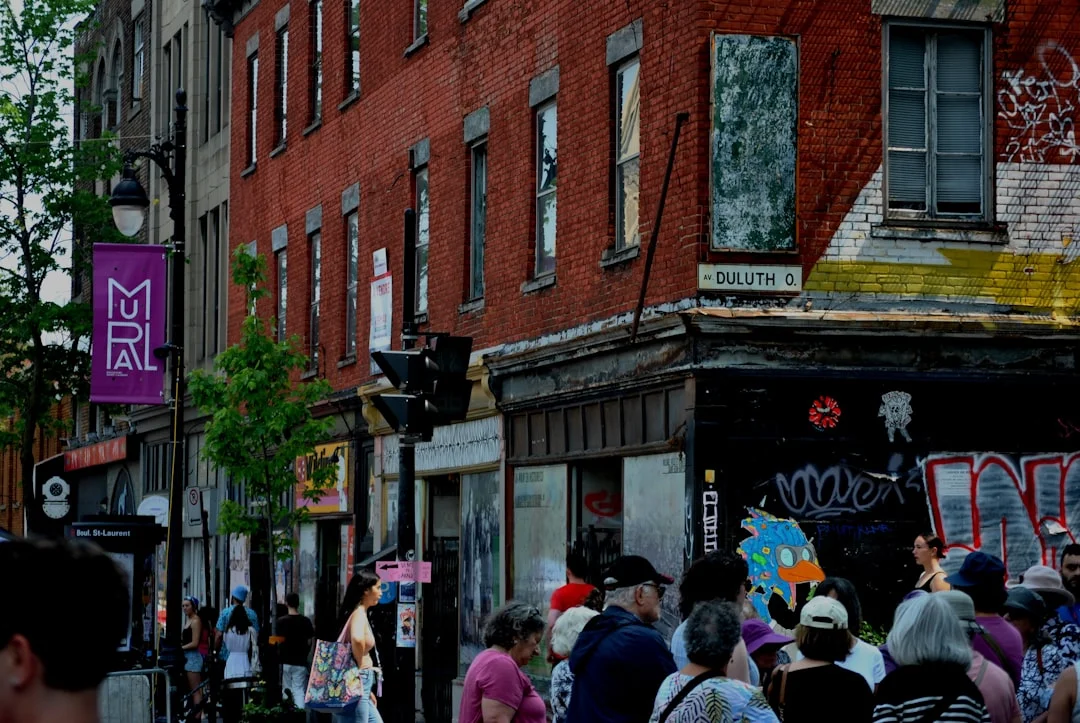
Photo by Jp Valery on Unsplash
The Montréal Times is reporting a major shift in the festival landscape this summer as the Festival International de Jazz de Montréal (FIJM) unveils its Montreal International Jazz Festival 2026 expansion. The 46th edition is slated for June 25 to July 4, 2026, and organizers are framing this year as a citywide expansion that blends free outdoor performances with curated indoor showcases. The move is being watched closely by municipal partners, venue operators, and hospitality groups who expect a measurable bump in street activity, hotel occupancy, and transit use during a ten-day window that already has the city buzzing. The FIJM’s expansion is being framed not merely as a longer lineup but as a broader geographic and programmatic footprint that stretches beyond traditional concert halls into public squares, plazas, and cross-neighborhood collaborations. Early signals point to a data-driven, accessibility-focused approach that keeps Montreal at the vanguard of large-scale urban festivals. (montrealtimes.ca)
Tourism and city officials alike emphasize that the expansion will illuminate central districts like Quartier des Spectacles and Place des Festivals while maintaining a core commitment to free outdoor options. Tourisme Montréal notes a ten-day window featuring hundreds of performances, with a substantial portion offered free of charge to residents and visitors. The expansion’s footprint is designed to transform not just schedules but how audiences move through the city, with pedestrianized zones and enhanced wayfinding around the Festival ecosystem. This aligns with Montreal’s broader strategy to activate urban space during peak cultural seasons and to anchor the city as a year-round destination for international audiences. (mtl.org)
What makes the Montreal International Jazz Festival 2026 expansion particularly consequential is the scale and the city-wide scope. The FIJM is widely recognized as one of the world’s largest and most influential jazz festivals, and the 2026 edition is anticipated to feature a mix of marquee indoor performances at venues such as Maison Symphonique and Salle Wilfrid-Pelletier, alongside a dense tapestry of outdoor sets across streets, plazas, and public spaces. The festival’s organizers have underscored a philosophy of accessibility, balancing ticketed experiences with expansive free programming that invites a broader cross-section of the public to engage with jazz and related genres. This approach is consistent with the festival’s historical emphasis on hybrid programming, but the 2026 expansion promises a more expansive citywide footprint and a more intricate network of venues and partner programs. (news.pollstar.com)
Section 1: What Happened
Announcement and Dates
FIJM 2026 edition window

The Festival International de Jazz de Montréal publicly announced its 2026 edition, marking the 46th year of the festival and confirming dates from June 25 to July 4, 2026. This ten-day window anchors the expansion narrative and provides the public with a predictable timeline for ticket sales, venue announcements, and artist reveals. The official FIJM communications consistently position these dates as the centerpiece of a diversified program that blends outdoor experiences with curated indoor performances. ((montrealtimes.ca))
Why the dates matter for the expansion
A fixed 10-day window helps city partners coordinate transit, security, hospitality, and neighborhood activation plans. It also enables a staggered release strategy for lineups, venue confirmations, and cross-venue collaborations that are central to the expansion narrative. The scale of this approach is reinforced by industry and tourism outlets that frame FIJM 2026 as an episode of intensified city engagement, rather than a simple schedule extension. ((news.pollstar.com)
Venue Expansion and Outdoor Programming
Expanding the footprint across the city
The Montreal International Jazz Festival 2026 expansion is being described as a broader, more inclusive footprint that extends beyond the traditional core venues into surrounding streets and public spaces. The festival’s official materials and partner outlets emphasize goals like increased outdoor blocks, more plazas, and a citywide orchestration of performances. Tourisme Montréal specifically notes that the edition will illuminate Quartier des Spectacles, Place des Festivals, and adjacent indoor venues, signaling a deliberate integration of outdoor and indoor experiences across a wider geographic area. ((mtl.org))
Indoor venues remain central
Even as the footprint expands, FIJM continues to anchor its marquee events in established indoor venues. The Maison Symphonique and Le Studio TD are highlighted as important components of the indoor program, ensuring a balance between outdoor accessibility and indoor acoustics and intimacy. The dual approach—outdoor public spaces plus significant indoor venues—remains a defining feature of FIJM’s programming model and is a core element of the 2026 expansion story. ((montrealtimes.ca))
Specific venue anchors and city-wide activation
In addition to the core venues, the FIJM ecosystem continues to feature high-profile hubs like the Maison du Festival and Le Studio TD, which have historically served as focal points for festival experiences, exhibitions, and artist interactions. The expansion narrative includes a broader distribution of performances that leverage these hubs while weaving in new spaces to desentralize the festival experience and reduce crowd concentration in any single district. The expansion is framed as city-building as much as festival programming. ((montrealtimes.ca))
Notable program signals and early lineup previews
Early media coverage underscores a deliberate programming strategy that blends jazz legends with contemporary voices and cross-genre acts. While the full lineup is typically released closer to curtain, initial signals emphasize a robust, diverse slate designed to appeal to hard-core jazz fans and general music audiences alike. The expansion narrative thus hinges not only on more venues, but on a richer bouquet of performers and experiences that can travel across the city. ((montrealtimes.ca))
Key Facts and Timeline
Core numbers and schedule
- Dates: June 25 to July 4, 2026. This ten-day window is repeatedly confirmed by official FIJM sources and tourism partners. ((montrealtimes.ca))
- Scale of programming: FIJM typically features hundreds of performances, with industry reporting and tourism materials indicating a multi-hundred, multi-venue festival footprint for 2026. While exact numbers are finalized closer to the event, planners are targeting a large-scale schedule that mirrors past iterations in ambition and breadth. ((montrealtimes.ca))
- Free vs. ticketed balance: Industry coverage consistently notes a substantial portion of programming will be free outdoor performances, alongside a curated indoor lineup of ticketed events. This balance remains a hallmark of FIJM’s festival model and is expected to persist in 2026 as part of the expansion strategy. ((news.pollstar.com))
Notable program signals
The 2026 edition is expected to maintain a strong cross-genre approach, with acts spanning traditional jazz, contemporary hybrid forms, and collaborations that push the boundaries of the genre. Tributes, cross-cultural collaborations, and cross-genre pairings are likely to be emphasized in the expanded lineup. ((montrealtimes.ca))
Economic and attendance context
Historically, FIJM has been a major driver of downtown activity, with Tourisme Montréal noting years of robust attendance and substantial economic impact across hospitality, dining, and transportation sectors. The 2026 expansion, with its city-wide footprint and mix of free outdoor programming, signals a potential increase in foot traffic and spillover effects to nearby districts beyond the immediate Quartier des Spectacles. ((mtl.org))
What the Announcement Means for the City
Economic and tourism implications
The FIJM’s expansion in 2026 is not simply about more concerts; it is about more sustained urban activation. The festival’s footprint extension into multiple neighborhoods and plazas will likely cascade into higher restaurant bookings, greater hotel occupancy, and increased transit usage during the festival window. Tourisme Montréal’s materials describe FIJM as a ten-day engine that draws visitors from across Canada and around the world, contributing to the city’s broader summer tourism narrative. This implies a notable, near-term uplift for local businesses and service providers that align with festival activity. ((mtl.org))
Accessibility and inclusivity
A central theme in FIJM’s expansion is accessibility. The festival has long balanced free outdoor performances with ticketed indoor experiences, a model designed to democratize access to high-caliber programming. The 2026 expansion is described as reinforcing this approach by widening outdoor activation while preserving the quality and breadth of indoor offerings. This dual approach aligns with Montreal’s cultural policy goals, including audience diversity, pedestrian-friendly festival spaces, and inclusive access to the city’s cultural calendar. ((mtl.org))
Cross-city collaboration and urban design
The expansion narrative also highlights cross-city collaboration and the use of multiple urban spaces to stage performances. The integration of outdoor stages into the city’s core corridors—especially around Place des Festivals and the Quartier des Spectacles—reflects a broader strategy to weave culture into everyday urban life. These efforts are supported by city partners and tourism organizations that emphasize the festival’s role in urban activation and place-making. ((mtl.org))
Public funding and policy context
Public funding has historically supported FIJM’s capacity to stage large-scale programming, including multi-venue operations and free outdoor events. The existence of a robust funding framework helps ensure the festival’s expansion can be sustained across years, balancing affordability for festivalgoers with the production demands of a city-wide event. In 2024, government funding for FIJM and related cultural initiatives provided a financial backbone that underpins expansion efforts. This context helps explain FIJM’s capacity to push for a more expansive footprint in 2026. ((montrealtimes.ca))
Cultural significance and global positioning
As the world’s largest jazz festival by Guinness World Records, FIJM’s expansion reinforces Montreal’s standing as a premier global hub for jazz and related genres. The city’s status as a cultural capital is reinforced by continued partnerships with major sponsors, media partners, and tourism organizations that see FIJM as a cornerstone of Montreal’s summer identity. The expansion therefore has implications beyond the festival itself, contributing to the city’s brand, international visibility, and cultural economy. ((news.pollstar.com))
Section 2: Why It Matters
Economic and Tourism Impact of the Expansion
Generating citywide economic activity
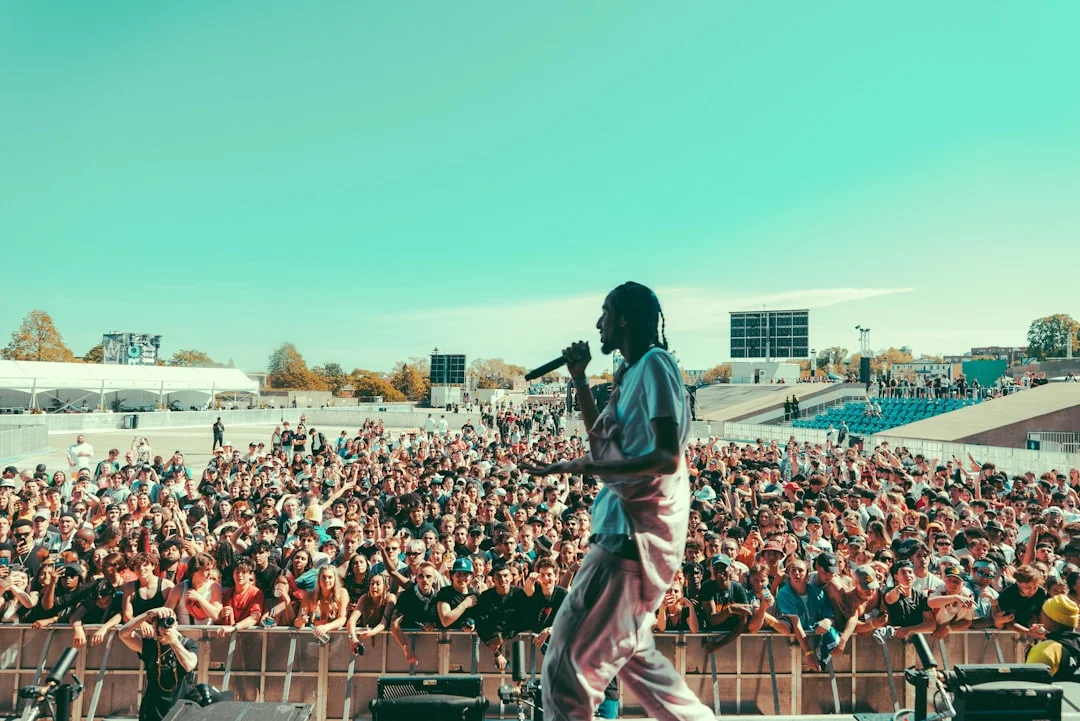
The expansion’s breadth means not just more shows, but more audiences moving through the city’s core districts. Restaurant districts near the Quartier des Spectacles, nearby hotels, and transit hubs are expected to experience higher demand during the ten-day window. FIJM’s footprint expansion translates into incremental revenue opportunities for a wide range of local businesses, from street vendors to full-service restaurants, boutique hotels to public transit operators. This aligns with Tourisme Montréal’s historical emphasis on how large festivals catalyze urban economies during peak travel periods. ((mtl.org))
Attracting international visitors and sustaining brand value
FIJM’s expansion reinforces Montreal’s position on the international stage as a year-round cultural destination. The lineup signals and public planning materials emphasize an audience that includes international visitors seeking a world-class jazz experience in a city that merges tradition with innovation. The festival’s ability to attract global attention and drive cross-border tourism can contribute to longer-term brand value, repeat visits, and ancillary tourism opportunities. ((news.pollstar.com))
Accessibility, Equity, and Public Engagement
Free outdoor performances as a democratic principle
A core outcome of the expansion is the continued emphasis on free outdoor performances, making a high-caliber cultural experience accessible to a broad cross-section of residents and visitors. This approach reduces financial barriers and fosters family-friendly, community-oriented engagement with jazz and related genres. The expansion’s emphasis on outdoor programming reflects a deliberate public-accessible strategy that resonates with urban culture policies and the city’s commitment to inclusive events. ((mtl.org))
Cross-neighborhood inclusion and urban activation
By distributing performances across multiple districts, FIJM embraces a more inclusive model of audience reach. The expansion narrative frames the festival as a city-wide event, inviting participation from neighborhoods beyond the traditional downtown core. This can help reduce crowding in a single venue area while spreading economic and cultural benefits more evenly across the city. ((montrealtimes.ca))
Urban Planning, Technology, and Innovation
Integrating technology with live experiences
The FIJM expansion is positioned to integrate technology and innovative engagement tools—ranging from enhanced wayfinding to immersive experiences and augmented reality components that the festival has piloted in recent years. The expansion creates opportunities for digital programming, interactive installations, and synchronized city-wide experiences that tie outdoor stages to indoor venues. While exact 2026 digital elements are still being announced, the expansion narrative suggests an acceleration of tech-enabled audience engagement as part of a broader, multi-venue model. ((montrealtimes.ca))
Data-driven programming and audience analytics
As a data-driven publication, FIJM and its partners have historically used funding models, attendance patterns, and venue capacity data to inform planning decisions. The 2024 funding and planning context provides a data-backed backdrop for the 2026 expansion, reinforcing the idea that the expansion is anchored in measurable metrics such as attendance, geographic reach, and the mix of free versus paid programming. Stakeholders will be watching the initial 2026 performance metrics to gauge the expansion’s effectiveness in driving accessibility and economic impact. ((montrealtimes.ca))
Section 3: What’s Next
Timeline and Next Steps
Official lineup and venue confirmations
Fans and industry observers should expect a steady cascade of lineup reveals through the spring and early summer of 2026. FIJM’s official site and partner outlets are the primary sources for precise schedules, performer bios, and venue maps. As with prior editions, day-by-day programming and cross-venue collaborations will likely be announced in a staged fashion to maximize media coverage and audience engagement. ((mtl.org))
Ticketing structures and accessibility updates
Because FIJM practices a mixed model of free outdoor shows and paid indoor events, ticketing options will be a focal point for readers planning their summer in Montreal. Observers should monitor official FIJM announcements for details on ticket tiers, accessibility accommodations, and any capacity controls tied to outdoor venues. Public funding contexts and accessibility initiatives may influence ticketing changes or open access programs, underscoring the importance of following official communications for the latest guidance. ((news.pollstar.com))
Cross-city partnerships and programming evolution
The expansion’s cross-city intent implies ongoing collaboration with local partners, arts organizations, and tourism bodies. Expect announcements about collaborative performances with cross-venue programming, additional hubs, and new partnerships that extend FIJM’s reach beyond the core districts. The Griffintown and broader citywide hub strategy described in related planning documents points to a coordinated, multiyear effort to desensitize the festival’s footprint and to increase the urban integration of music, culture, and public space. ((2727coworking.com))
What to Watch For
- Finalized venue maps and the exact breakdown of outdoor versus indoor performances across the festival footprint.
- The formal roster of headliners and specialty acts, including cross-genre collaborations and centennial tributes tied to jazz luminaries.
- Updates on accessibility pilots, digital experiences, and AR installations that enhance the festival experience for attendees both on-site and remotely.
- Local business and transit advisories related to the increased activity around festival weeks, including special event schedules and pedestrian-only zones.
Closing
The FIJM’s Montreal International Jazz Festival 2026 expansion signals a carefully calibrated evolution, one that maintains the festival’s core ethos of inclusive, accessible music while intensifying city-wide engagement and economic impact. By weaving outdoor stages into the heart of Montreal’s festival districts and preserving marquee indoor programs at trusted venues, FIJM appears to be pursuing a model that both honors tradition and accelerates urban cultural activation. Stakeholders across hospitality, transit, and cultural institutions will be watching closely as the lineup, venue confirmations, and city partnerships take shape. In the coming weeks and months, readers should stay tuned to FIJM’s official channels and Tourisme Montréal for updates that will illuminate how this expansion translates into attendance, economic activity, and the city’s ongoing reputation as a global jazz hub. The Montreal International Jazz Festival 2026 expansion is not just a festival update—it’s a broader statement about how a city can grow its cultural footprint while keeping programming accessible, diverse, and leadership-driven.