Montreal Nightlife Renaissance Plateau Mile End

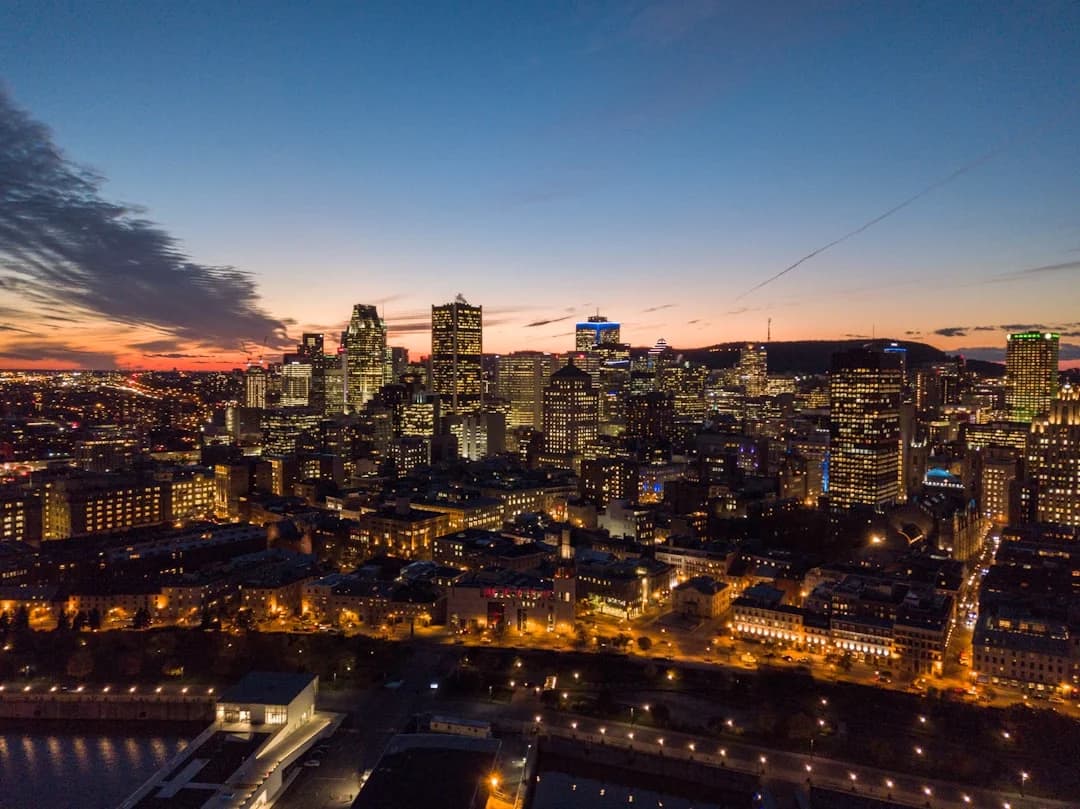
Photo by Samuel Charron on Unsplash
Montreal’s Plateau-Mont-Royal and Mile End are at the center of a visible shift in the city’s after-dark economy. In early 2026, multiple signals point to a nightlife renaissance Plateau Mile End that blends intimate, craft-focused venues with a data-informed approach to operations, programming, and tourism. Local venue operators, city agencies, and tourism organizations are coordinating to extend the hours, diversify offerings, and attract both residents and visitors to this historic crossroads of culture and commerce. The moment is not just about reopening doors after the pandemic; it’s about recalibrating how late-night life is planned, regulated, and measured. A growing roster of new openings, curated programming, and concerted marketing efforts suggests that the Plateau–Mile End corridor is evolving into a more sophisticated, data-driven night economy that can adapt to changing consumer preferences and safety standards. This dynamic has prompted industry observers to describe 2026 as a pivotal year for Montreal’s after-dark strategy, with Mile End and Plateau serving as a live case study. (montrealtimes.ca)
The shift is being observed alongside a broader city effort to position Montreal as a year-round cultural destination that thrives after sunset. Tourism bodies highlight Mile End’s venues and the Plateau’s longstanding music and nightlife heritage as core assets, while new openings are expanding the district’s nightly calendar beyond a handful of stalwarts. In Mile End, for example, Casa del Popolo, Sala Rossa, and La Sotterenea have long anchored independent music and dining experiences, and contemporary guides continue to point to these venues as essential night-sky anchors for locals and visitors alike. Meanwhile, the Plateau’s Barfly and other venues have fortified their reputations with programming that emphasizes live music, intimate settings, and a continuous stream of late-night activity. This continuity between historic centers and new operators forms a bridge that supports a more resilient, data-informed night economy. (mtl.org)
What’s happening on the ground matters because it signals a larger economic and cultural shift. The city’s tourism ecosystem is increasingly designed to integrate nighttime offerings with multi-day itineraries, hotel stays, and regional events, creating a more coherent nightscape. For travelers and locals alike, the Mile End and Plateau corridors offer a dense concentration of venues where music, beverage culture, gastronomy, and art intersect on a single street or block. Reports from Tourisme Montréal and related outlets underscore the pace of change: new openings, reimagined concepts, and a concerted push to highlight the night as a legitimate, data-driven activity across the entire city. The alignment of private investment with public-sector strategy suggests that the Plateau–Mile End nightlife renaissance 2026 is less a fad and more a framework for sustainable cultural-economy growth that leverages data, design thinking, and community input. (mtl.org)
Section 1 — What Happened
New openings reshape Mile End and Plateau’s after-dark calendar
Fresh concepts debut in Mile End
Driven by a wave of new openings, Mile End’s night circuit expanded in early 2026 with launches and pop-ups designed to pair dining with music and craft beverages. A notable development cited by local coverage is the debut of Plume, a Mile End venue described as a debut anticipated for January 2026. Operators and program partners positioned Plume as an example of intimate, concept-driven spaces that blend high-quality cuisine with live or curated musical programming, illustrating the current preference for experiences that feel personal rather than mass-market. This line of development aligns with broader city and industry narratives about “data-driven night economies” where operators tailor capacity, programming, and pricing to real-time demand. (montrealtimes.ca)
Strategic openings fuel the night economy
Beyond individual venues, the Montreal tourism ecosystem has spotlighted a new wave of openings across Plateau-Mont-Royal and Mile End as part of a broader strategy to reimagine late-night life as a year-round driver of cultural and economic activity. A June 2026 update from Tourisme Montréal highlights Le Rodman—Bar Festif Nightlife, among other new openings, as a signal of the city’s ongoing commitment to diverse nightlife experiences within Plateau-Mont-Royal and Mile End. The emphasis is on venues that integrate music, beverage culture, and dining into cohesive experiences that can span late into the night. This trend is consistent with the city’s broader marketing and planning efforts to attract visitors who seek authentic, neighborhood-centered night experiences. (mtl.org)
Legacy venues remain central to the narrative
While new venues grab headlines, the long-standing Mile End institutions continue to anchor the narrative of Montreal’s after-dark life. Casa del Popolo, Sala Rossa, and La Sotterenea—three Mile End venues with deep roots in Montreal’s independent music scene—are consistently cited as essential components of the Plateau–Mile End nightlife ecosystem. These spaces exemplify a model that combines intimate acoustics with a countercultural ethos, reinforcing the idea that the night economy here thrives on a curated mix of programming and community identity. Industry guides and tourism profiles continue to mark these venues as core elements of any authentic Mile End nightlife itinerary. (mtl.org)
City policy, tourism strategy, and community integration
Nightlife as a strategic tourism asset
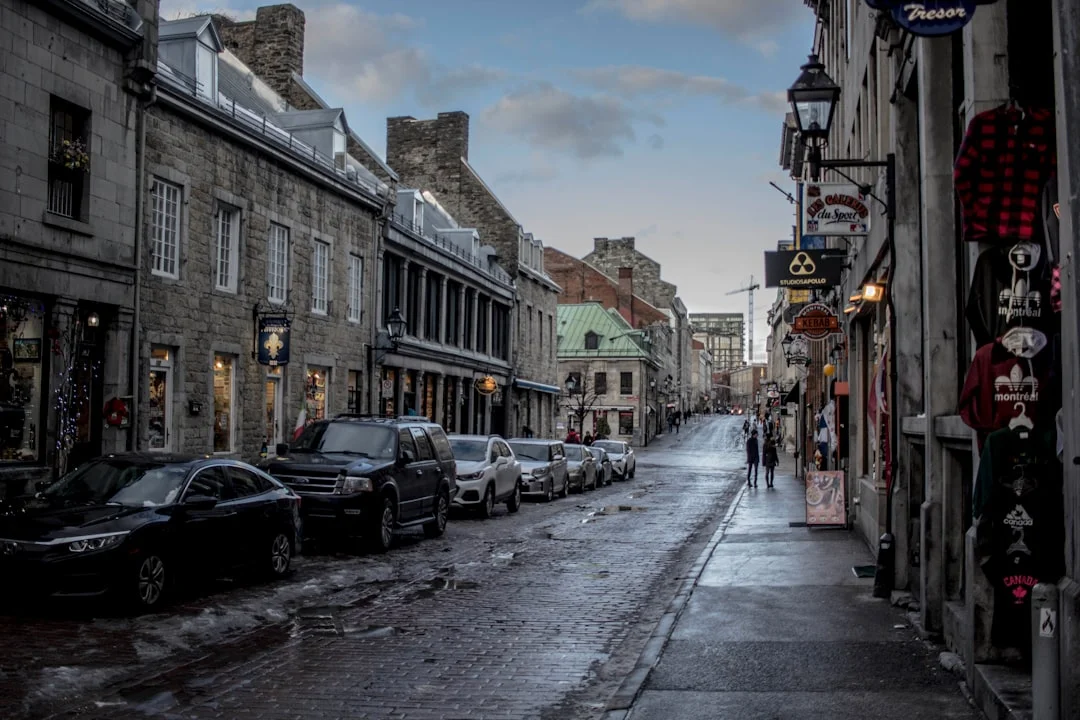
A central theme in the 2026 coverage is the alignment between nightlife investments and the city’s tourism strategy. Local outlets emphasize that the Plateau–Mile End nightlife renaissance is not an isolated string of openings but part of a coordinated repositioning of Montreal’s brand as a late-night, culture-forward destination. The synergy between public policy, tourism strategy, and private operator innovation is presented as a deliberate approach to create a more diversified, resilient night economy. While exact policy details vary by venue and district, the overarching narrative is one of deliberate, data-informed growth rather than ad hoc development. (montrealtimes.ca)
The role of Mile End and Plateau in Montreal’s cultural ecosystem
Tourisme Montréal’s neighborhood profiles consistently describe Plateau-Mont-Royal and Mile End as a hub for nightlife, gastronomy, design, and creative industries. The city’s official materials frame the district as a place where intimate venues sit alongside design shops, cafés, and cultural institutions, contributing to a vibrant after-dark landscape. This context helps explain why the Plateau–Mile End corridor has become a focal point for both residents and visitors seeking authentic Montreal experiences after sundown. (mtl.org)
Data-driven decision-making shaping the night economy
Observers emphasize that the current evolution of Montreal’s night economy is underpinned by data-driven decision-making—ranging from venue capacity optimization to program curation and safety protocols. A key reference point in this discourse is the notion of a “data-driven night economy,” which describes how operators and city partners monitor attendance, demographics, and revenue signals to tailor experiences and resource allocation in real time. This framing appears in coverage of the Plateau–Mile End transition and is echoed in analyses of how the city’s tourism and cultural sectors adapt to evolving consumer preferences. (montrealtimes.ca)
Why it matters: impact and context
Economic and employment implications
The Plateau–Mile End nightlife renaissance is depicted as a growth vector for Montreal’s night economy, with new openings contributing to local employment, neighborhood vitality, and tourism revenue. The close relationship between nightlife investments and tourism marketing suggests a multipronged impact: expanded nighttime employment opportunities, more diverse beverage and dining options, and richer cultural experiences that attract visitors to a compact urban core. While precise economic figures are not itemized in the sources, the sustained emphasis on new openings and curated programming signals a positive trajectory for job creation and business activity in the district. (mtl.org)
Cultural and community considerations
The Mile End neighborhood’s identity—rooted in independent music, arts, and bohemian heritage—serves as a crucial input into how the city designs its nightscape. The continuity of legacy venues alongside new concepts points to a deliberate strategy to preserve cultural capital while encouraging experimentation. Tourisme Montréal’s materials emphasize Mile End’s creative economy and its role in a broader Montreal nightlife ecosystem, highlighting how historic venues co-exist with contemporary openings to maintain a diverse cultural offer that remains accessible to a wide audience. (mtl.org)
Technology, data, and the modern night economy
A distinctive feature of the current period is the emphasis on technology-enabled, data-informed operations in night venues. Observers point to dynamic pricing, capacity management, and performance analytics as components of a more sophisticated after-dark market. This data-driven approach is described in industry coverage as a key driver of efficiency, guest experience, and safety — enabling operators and city partners to respond quickly to shifting demand patterns while maintaining the core character of Plateau–Mile End venues. The concept has been linked to a broader narrative of a data-aware night economy and is reflected in reporting about the 2026 evolution of the district. (montrealtimes.ca)
Public-facing events and the calendar of late-night activity
Public events, such as Nuit Blanche, dovetail with the ongoing growth of the Plateau–Mile End night scene. Nuit Blanche provides a city-wide platform that keeps cultural spaces open through the night and reinforces Montreal’s positioning as a capital of late-night arts and culture. The 2026 Nuit Blanche edition and related city programming illustrate how late-night activity is being coordinated at municipal and cultural levels, potentially increasing the visibility and accessibility of Mile End–Plateau venues during off-peak seasons and driving spillover visitation across neighborhoods. (mtl.org)
What’s Next: timeline and near-term developments
Upcoming openings and the 2026 calendar
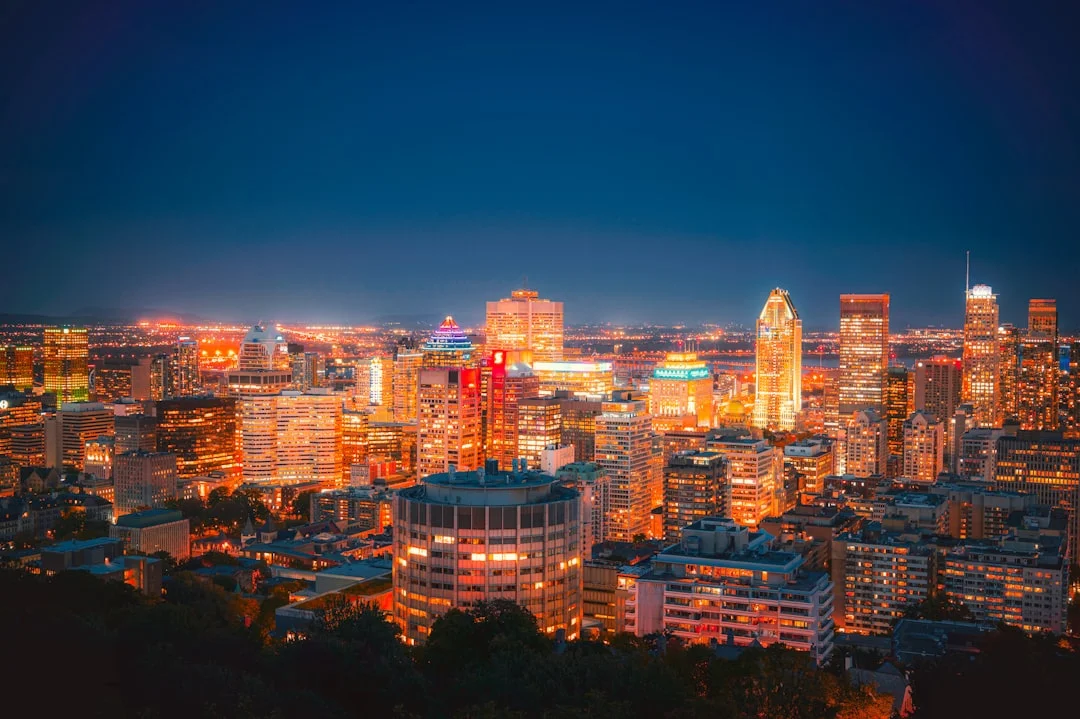
Looking ahead, the region’s nightlife calendar is expected to continue its expansion through 2026 and into 2027. The June 2026 openings update from Tourisme Montréal highlights ongoing introductions to the Plateau–Mile End nightlife mix, including venues like Le Rodman and other new bar and brasserie concepts. The combination of new openings with established institutions suggests a continued diversification of programming and a broadening of audience reach across demographics. This cadence of openings aligns with a city strategy that leverages neighborhood identity to sustain late-night activity as a stable, long-term economic and cultural asset. (mtl.org)
Specific events to watch
- Nuit Blanche à Montréal: The 2026 edition, with night-long programming across cultural venues, remains a bellwether for after-dark activity and seasonal visitation patterns. Monitoring Nuit Blanche programming in 2026 will help readers anticipate peak times for Mile End–Plateau venues and identify venues with extended hours or special performances. The event’s date and scope are documented in Montreal tourism coverage and city communications. (mtl.org)
- January 2026 openings and mile-end activations: Reports about Plume’s debut in Mile End for January 2026 illustrate the turn toward intimate, concept-driven spaces. While the exact status of the debut dates can vary by source, early-2026 announcements underscore an industry push toward new models of neighborhood nightlife that blend cuisine, music, and craft beverages. (montrealtimes.ca)
- Ongoing openings and operator activity: Updates on new bars and brasserie openings through mid-2026 underscore a continuing pipeline of projects that reinforce the Plateau–Mile End as a nucleus of the city’s nightlife. Readers are encouraged to consult Tourisme Montréal’s “New bars and brasserie openings” pages for the latest listings and event tie-ins. (mtl.org)
What to watch in the broader market
- Consumer demand for intimate, craft-forward experiences: The new-generation venues emphasize personal, human-scale experiences over large, club-centric formats, consistent with global trends toward experiential nightlife. This shift is supported by the Mile End and Plateau’s reputation for boutique spaces and artist-driven programming, as well as city tourism materials that consistently point to Mile End’s creative economy as a core asset. (mtl.org)
- Data-driven operations and safety enhancements: As night venues increasingly rely on real-time data to calibrate staffing, programming, and crowd management, industry observers expect continued investment in digital tools, analytics, and safety protocols. This trend aligns with the overall push toward ensuring a sustainable, welcoming night economy that can adapt to evolving norms and regulatory requirements. (montrealtimes.ca)
Closing
In short, the Montreal nightlife renaissance Plateau Mile End appears to be unfolding as a coordinated, data-informed evolution rather than a transient rebound. With a mix of new openings, enduring neighborhood institutions, and city-led events that shape the late-night calendar, Mile End and the Plateau are redefining what it means to experience Montreal after dark. For readers tracking technology and market trends, this is a compelling case study in how urban neighborhoods leverage talent, policy, and data to create a more resilient night economy. To stay updated on developments, follow City of Montreal tourism communications, the Mile End and Plateau profiles on Tourisme Montréal, and local coverage of new openings and late-night programming as the year progresses. The coming months will reveal how this balance between heritage venues and fresh concepts translates into sustained visitor interest, stronger local employment, and a more cohesive, data-driven night economy that can adapt to the city’s ever-evolving cultural landscape. (mtl.org)