Montreal Urban Microgrids Resilience: 2026 Grid Update

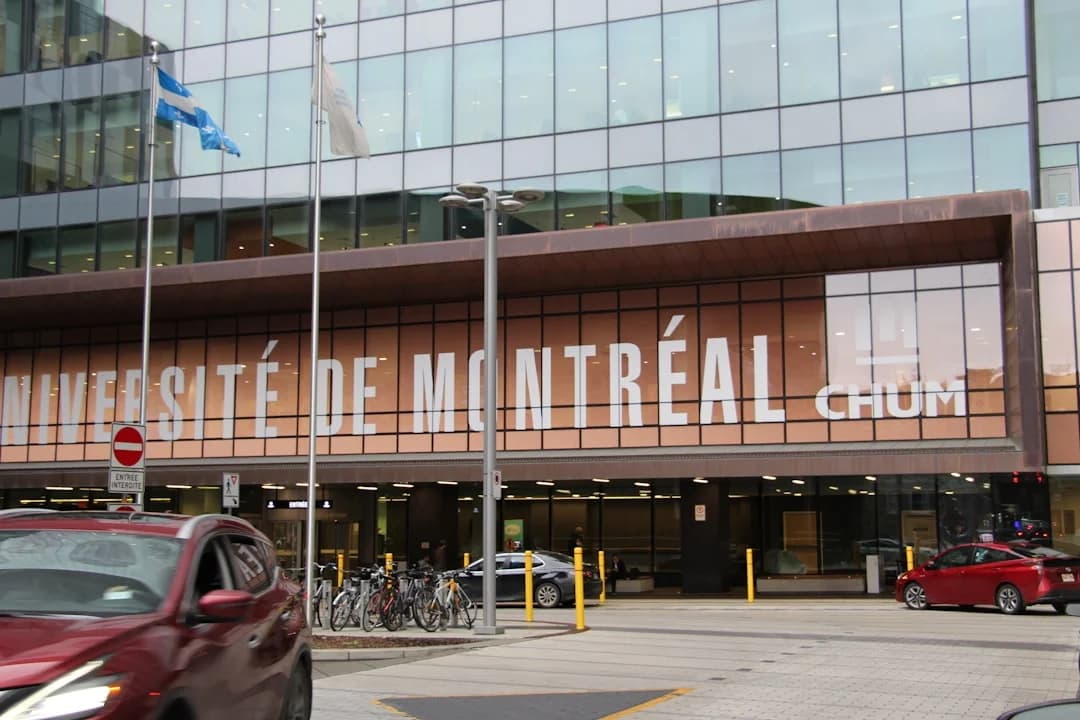
Photo by Alain Guillot on Unsplash
Montreal is entering a defining year for urban energy resilience as the city advances a multi-layered program of microgrid-oriented upgrades and private-sector deployments. In early 2026, Hydro-Québec unveiled two major initiatives aimed at bolstering reliability for communities across the island: a new 315/25 kV Souligny post in eastern Montreal to replace an aging facility, and a West Island expansion of the Saint-Jean substation to accommodate growing demand. These efforts, framed within a broader provincial push toward smarter grids and local energy autonomy, underscore a strategic shift from traditional, centralized reliability to distributed-energy resources that can island when needed and rejoin the grid as conditions allow. For readers of the Montréal Times and observers of the energy market, the immediate implication is clearer power delivery, especially during extreme weather, peak periods, and contingencies that stress aging infrastructure. The public information sessions and ongoing consultations tied to these projects illustrate Montreal’s commitment to transparent, participatory planning and data-informed decision-making as the city scales microgrid concepts in an urban setting. (nouvelles.hydroquebec.com)
Beyond the Souligny project, the Saint-Jean upgrade in Dollard-des-Ormeaux represents a parallel, city-wide upgrade that aims to shift portions of the West Island’s electrical backbone toward greater capacity and resilience. Hydro-Québec has described this four-year program as a critical step in meeting rising demand while improving service quality for thousands of customers across several municipalities. The program’s phased approach—beginning with dismantling older equipment in 2026–2027 and culminating in more extensive expansions through 2030—illustrates a deliberate, long-horizon modernization strategy designed to minimize disruption while delivering durable reliability gains. This alignment with the broader 2035 modernization plan signals how urban resilience is increasingly being framed as a city-wide, governance-enabled outcome rather than a single project. (hydroquebec.com)
Montreal’s evolution toward urban microgrids resilience is not happening in isolation. Quebec’s energy-transition narrative emphasizes localized generation, storage, and controllable energy exchanges that can island from the main grid during disturbances while staying connected to the larger network for reliability. In practice, microgrid concepts in Quebec are moving from theoretical constructs to concrete deployments that blend public infrastructure upgrades with private-sector experimentation. The Lac-Mégantic example—a pioneer in Quebec’s microgrid journey—offers a practical blueprint for community-scale energy autonomy, illustrating how a city can pair local generation and storage with a supportive regulatory and partner network. Although Lac-Mégantic sits outside Montreal proper, its experiences in community engagement, storage sizing, and interoperability offer valuable lessons for urban contexts facing climate risks and evolving energy price dynamics. This regional framing helps explain why Montreal’s metro-area resilience strategy centers on both major utility-led upgrades and private DER deployments that can operate in tandem or independently as conditions demand. (montrealtimes.ca)
Opening a window into the near-term path, public information sessions and stakeholder outreach remain a central feature of Montreal’s microgrid evolution. For example, the Souligny project’s information session held online on March 19, 2026, illustrates a structured, participatory approach to infrastructure planning. These sessions, along with ongoing site consultations and regulatory reviews, are designed to balance technical feasibility with community impact, aiming to minimize traffic disruption and environmental effects while maximizing reliability gains. The combination of utility-led upgrades and private regional deployments signals a coordinated, data-driven approach to modernizing Montreal’s electrical system in a way that can be scaled, measured, and refined over time. (montrealtimes.ca)
Section 1: What Happened
Souligny: New 315‑25 kV post and urban grid modernization
The most prominent development in 2026 is the announcement of a new 315‑25 kV substation in eastern Montreal, named Souligny, designed to replace the aging Longue-Pointe 120‑12 kV facility. The project underscores a broader modernization agenda for Île de Montréal, with public investment signals indicating substantial capital commitments to upgrade service quality through 2035. In practical terms, the Souligny post will serve around 30,000 customers currently connected to the older facility, reflecting the scale of demand in Montreal’s eastern neighborhoods and the urgency of upgrading critical infrastructure to meet future loads. A defining feature of the Souligny initiative is its location near the existing Longue-Pointe site and the Primo International facility at 7000 Hochelaga Street, identified as a preferred anchor for the new post. The Souligny project is being developed with a clear emphasis on public engagement, technical rigor, and phased implementation to minimize disruption while maximizing reliability. The aim is to ensure continuity of service for tens of thousands of households and small businesses as loads migrate to the enhanced grid. Public information sessions, including the March 19, 2026 event, are part of a structured communications plan to gather input from residents and stakeholders. In the broader context, the Souligny project sits within Hydro-Québec’s plan to invest more than $5 billion in capital upgrades on the island of Montréal through 2035 to improve service quality, a figure frequently cited in public materials and coverage of the project. These details are grounded in Hydro-Québec’s official communications and corroborated by public reporting. (nouvelles.hydroquebec.com)
Saint-Jean Substation: West Island upgrade to meet growing demand
A second pillar of Montreal’s 2026 resilience push is Hydro-Québec’s Saint-Jean project, a West Island upgrade that transforms the Saint-Jean substation from a regional node into a more capable reliability asset, capable of supporting islanding and higher-capacity operation for a broader customer base. The public communications describe a four-year program designed to expand capacity and improve service quality for communities including Dollard-des-Ormeaux, Pointe-Claire, Kirkland, and Beaconsfield. The schedule, anchored in a 315/25 kV configuration with new transformers and capacitor banks, foresees 2026–2027 as the initial phase focused on replacing outdated equipment, with 2028–2030 dedicated to further expansions and the addition of an extra transformer and related infrastructure. This program aligns with Hydro-Québec’s broader Action Plan 2035 and embodies a forward-looking approach to urban resilience by ensuring the West Island grid can handle growing demand, support DER integration, and deliver more stable service during disturbances. As with Souligny, Saint-Jean emphasizes public engagement and ongoing coordination with municipalities to manage traffic, environmental impacts, and safety considerations. (nouvelles.hydroquebec.com)
Gridsync and regional deployment: a private DER pathway
In parallel with utility-led upgrades, private-sector initiatives are advancing the Montreal region’s distributed energy landscape. Gridsync, a regional developer focused on behind-the-meter energy storage and generation, positions itself as a private Virtual Power Plant for commercial and industrial buildings in Québec. The company describes its model as a Buy-Own-Operate framework that installs behind-the-meter storage and generation assets, integrates them into a centralized management platform, and coordinates operations to improve building energy efficiency, reduce grid stress, and share value with participating site owners. Gridsync targets Greater Montréal, Capitale-Nationale, and Abitibi, with the first Québec projects underway and partnerships being pursued to expand further across Canada. This private deployment narrative complements public utility upgrades and reflects a broader market dynamic in which urban microgrids resilience is built through both backbone grid improvements and private DER-scale investments. (montrealtimes.ca)
The Lac-Mégantic blueprint: a notable regional microgrid model
While not city-proximate to Montreal, the Lac-Mégantic microgrid project remains a critical regional case study in Quebec’s microgrid journey. In 2021, Lac-Mégantic inaugurated Québec’s first electric microgrid to serve the heart of the city, a milestone realized with Hydro-Québec’s support. The Lac-Mégantic model integrates generation, storage, and control systems to island from the main grid during disturbances and to optimize energy use during normal operation. This case study illustrates the technology mix, community engagement, and regulatory coordination that can inform urban pilots in larger cities like Montreal, including lessons on storage sizing, interoperability, and the governance frameworks required to scale microgrid concepts in an urban environment. While Montreal-specific policies continue to mature, the Lac-Mégantic example reinforces the province’s commitment to locally anchored energy resilience and to the value of public-private partnerships in achieving reliable, sustainable power. (montrealtimes.ca)
A broader context: microgrids as a tool in Quebec’s energy transition Quebec’s energy-transition strategy positions microgrids as a core component of the province’s effort to decarbonize, localize energy, and improve resilience. Public messaging emphasizes islanding capabilities, controllable energy exchanges, and the ability to perform bidirectional energy management to support demand-side considerations during peak periods. This context underpins Montreal’s microgrid journey, where the city’s dense urban environment and growing energy demand make distributed-energy resources a practical complement to a large hydroelectric system. The Montreal region’s activity—ranging from utility-led substation upgrades to private DER deployments—illustrates how urban resilience in a modern grid is increasingly a shared responsibility among utilities, city leadership, and private developers. (montrealtimes.ca)
What this means for Montreal’s readers
For residents, the practical takeaway centers on more reliable power during severe weather, with shorter outage durations and improved power quality as new substations come online and distribution networks are reinforced. For businesses, particularly those with high energy requirements or time-sensitive operations, the increased predictability of electricity supply and the opportunity to participate in distributed-energy programs could translate into cost savings and continuity advantages. For policymakers and regulators, the ongoing Montreal microgrid activity provides a real-world laboratory to evaluate how distributed-energy resources can be integrated into municipal grids, how public engagement processes influence outcomes, and which governance models best balance rate impacts, reliability, and local empowerment. And for the market more broadly, the province’s microgrid policy framework—emphasizing islanding, storage integration, and grid-forming capabilities—presents a test bed for private-public collaboration as a template for future urban resilience initiatives in other Canadian cities. The evolving policy and market backdrop suggests that Montreal’s path could influence regional planning documents, capital allocations, and the next generation of grid modernization investments. (montrealtimes.ca)
Public engagement and next steps: what to watch for in 2026–2027 The ongoing Souligny and Saint-Jean projects are accompanied by a structured communications program designed to keep residents informed and involved. In addition to the March 19, 2026 Souligny information session, city partners and Hydro-Québec have emphasized the importance of public briefings and stakeholder input to shaping siting decisions, construction timelines, and mitigation measures. As the projects progress through 2026–2027, the public can expect regular updates on site activity, traffic management plans, and outages during construction windows, as well as milestones tied to the replacement of aging equipment and the deployment of new substations and feeder lines. Gridsync’s regional pilots are also expected to advance during this period, with details emerging around revenue-sharing models, data governance, and interconnection standards that will influence how behind-the-meter assets are integrated into the wider grid. The near-term outlook points to a wave of pilot projects and collaborations that will test new grid-management software, DER coordination strategies, and the economics of urban microgrids resilience in a dense metropolitan setting. (montrealtimes.ca)
Section 2: Why It Matters
Implications for residents, businesses, and policymakers

The city’s microgrid-era push is anchored in a simple but powerful premise: local energy infrastructure can reduce outage duration, improve voltage and power quality, and provide more predictable service during extreme weather and contingencies. For residents in Montreal’s densest urban areas, the Souligny upgrade translates into a more resilient service backbone that can accommodate load growth and DER integration without compromising reliability. For commercial districts and small- to mid-sized enterprises, the ability to participate in behind-the-meter storage and distributed-energy programs can unlock new revenue streams and demand-response capabilities, potentially lowering total energy costs and improving continuity for mission-critical operations. Policymakers gain a real-world laboratory for evaluating how to balance capital-intensive grid modernization with rate affordability, environmental stewardship, and community engagement. The public-information cadence around Souligny and Saint-Jean demonstrates a governance model that emphasizes transparency, local involvement, and shared accountability for outcomes. (nouvelles.hydroquebec.com)
Broader market and policy context
Quebec’s microgrid pathway—encompassing utility-scale upgrades, private DER deployments, and community-led pilots—highlights a multi-layered resilience strategy that leverages state support, private capital, and citizen participation. The Lac-Mégantic case study provides a localized example of how a community can adapt to disturbances by combining generation, storage, and control systems with a collaborative regulatory environment. The Montreal region’s evolution—where public infrastructure upgrades are paired with private storage and generation assets—offers a template for other urban centers seeking to diversify energy sources, improve reliability, and create new value streams for property owners and tenants. The policy framework underpinning these efforts emphasizes the islanding capability of microgrids, controlled energy exchanges, and the need for standards that enable seamless integration with the main grid while preserving reliability during outages. Taken together, these developments position Montreal as a living laboratory for modern urban resilience in an energy-transition era. (montrealtimes.ca)
What’s Next
Near-term milestones to watch in 2026–2027
The 2026–2027 window is expected to yield concrete milestones across Souligny, Saint-Jean, and Gridsync deployments. Souligny is anticipated to deliver progress reports on site finalization and ongoing public consultations, with early installation activities ramping up as the final site is confirmed. Saint-Jean will advance through dismantling old equipment and installing 315/25-kV apparatus, followed by planned expansions and transformer additions through 2030, with continued coordination with municipalities for traffic and environmental oversight. Gridsync’s regional pilot program is likely to feature collaborations with Greater Montréal building owners, utility partners, and regulators to define revenue-sharing, performance metrics, and data governance. These milestones will be critical indicators of how the urban microgrid model translates into tangible reliability gains, cost considerations, and market opportunities for property owners and building managers. (montrealtimes.ca)
Longer-term outlook: what Montreal could achieve by 2028 and beyond
If current trajectories hold, Montreal could observe a noticeable uptick in behind-the-meter storage installations, expanded DER participation, and a more expansive microgrid-enabled building stock in the region. The Souligny-Saint-Jean upgrades, together with Gridsync’s expansion, are likely to serve as a blueprint for integrating distributed resources into municipal grids, with standardized interfaces, flexible control strategies, and transparent pricing mechanisms for building owners. Policy alignment and ongoing public participation will shape the pace and scope of investments, potentially influencing regional planning documents and capital allocation decisions for future resilience projects. Lessons from Lac-Mégantic and other Quebec microgrids will continue to inform stakeholder expectations around storage sizing, interoperability, and community engagement. The province’s evolving framework underscores a shared commitment to resilience through distributed-energy resources, offering a model for how urban centers can operationalize energy autonomy and reliability in a rapidly changing energy landscape. (montrealtimes.ca)
Public impact and readers’ takeaway
For Montreal residents, the practical impact is a clearer understanding of how new infrastructure translates into improved service during storms, heat waves, and other disturbances. For businesses, the ability to participate in energy markets and value streams created by behind-the-meter storage can provide resilience-linked competitive advantages. For policymakers, the ongoing projects offer a chance to study governance models, cost allocations, and public engagement outcomes in real-world settings. The convergence of utility upgrades, private DER deployment, and a forward-looking policy framework makes Montreal a noteworthy case study in urban microgrids resilience—one that other cities may watch closely as climate risks intensify and the demand for reliable energy grows more acute. (nouvelles.hydroquebec.com)
Closing
Montreal’s 2026 grid narrative is a practical, data-driven exploration of how a major North American city can blend public infrastructure upgrades with private energy-resource investments to bolster resilience. Souligny and Saint-Jean signal not just an upgrade of physical assets but the deployment of a new model for urban energy management—one that emphasizes islanding, storage-enabled flexibility, and participatory governance. As Gridsync and other private players begin to scale behind-the-meter resources in the Montréal region, readers can expect a growing set of real-world lessons about how distributed energy integrates with city planning, how price signals influence adoption, and how public engagement processes shape outcomes. The path forward will require ongoing transparency, vigilant oversight, and sustained collaboration among public authorities, private partners, and the communities they serve. Montreal’s urban microgrids resilience story is still being written, with 2026–2027 set to deliver the first chapters of a longer, multi-decade transformation in the city’s energy future. (nouvelles.hydroquebec.com)